Overview of Forex Prop Trading Firms
Forex proprietary trading (prop trading) firms are specialized financial entities that engage in the trading of currencies using their own capital rather than client funds. These firms play a crucial role in the broader forex trading industry by providing traders with access to significant financial resources, advanced trading infrastructure, and risk management tools. Their primary objective is to generate profit through currency trading strategies, often involving large-volume transactions and sophisticated analytical techniques.
Unlike retail traders who use personal funds or broker accounts, forex prop trading firms operate as proprietary entities, empowering talented traders to execute high-stakes trades with the firm's assets. This model fosters an environment where skilled traders can leverage considerable capital, typically under defined risk management protocols, to maximize potential returns. Consequently, these firms serve as bridges between individual trading talent and the global currency markets, facilitating liquidity and market efficiency.

Operating as proprietary trading entities, these firms maintain strict internal policies and risk controls to safeguard their investments. They often employ a combination of advanced trading software, quantitative analysis, and experienced risk managers to oversee trading activities. Traders within these firms are usually tasked with developing and executing trading strategies that align with the firm’s risk parameters and profit targets. This collaborative and resource-rich environment distinguishes forex prop trading firms from individual or retail trading setups, enabling an ecosystem where technological innovation and professional expertise converge for optimal trading outcomes.
In essence, forex prop trading firms serve as vital components of the forex trading landscape by offering a platform where skilled traders can harness institutional resources and expertise. Their operation entails a delicate balance of risk management, strategic trading, and capital deployment, all aimed at consistent profit generation in the highly volatile currency markets.
Types of Forex Prop Trading Firms
Forex proprietary trading firms are diverse in structure and approach, each catering to different trader profiles and operational philosophies. Broadly, they can be categorized into several main types based on their funding models, operational challenges, and trading methodologies.
Funded Prop Firms
These firms provide traders with capital to trade, often after a rigorous evaluation process. Traders are given access to the firm's funds once they demonstrate consistent profitability and risk management discipline in a simulation or challenge phase. This model minimizes the trader’s financial risk while enabling them to focus solely on trading strategies. The firm typically gains a share of the profits, and the trader benefits from significant capital resources, potentially scaling their trading activities.
Prop Firm Challenges
Many firms utilize structured evaluation challenges or trading assessments to identify suitable traders. During these challenges, traders are subjected to predefined trading parameters and risk limits that mimic real market conditions. Successful completion typically leads to a funded account, allowing the trader to operate with the firm's capital. This process ensures that only disciplined and skilled traders gain access to substantial capital, maintaining the firm's overall risk structure.
No Challenge Models
Some firms operate without formal evaluation phases, directly offering traders the opportunity to trade with firm resources. These arrangements are often based on existing reputation, trading performance history, or specific qualifications. While this type of setup may provide quicker access to trading capital, it generally involves pre-established relationships, making it suitable for seasoned traders with proven records.

Other Variations
- Shared Revenues: Some firms divide profits based on trading performance, with more flexible or customizable structures tailored to individual traders’ objectives.
- Hybrid Models: Combining elements of funded accounts and challenge-based evaluation, hybrid models aim to balance risk management with trader flexibility.
- Specialized Sector Focus: Certain firms focus on specific currency pairs or trading styles, aligning their operational models to niche market segments.
Understanding these distinctions helps traders identify the most suitable environment for their skill set and trading strategy. Each model offers unique benefits and challenges, emphasizing the importance of aligning personal trading preferences with the operational framework of the prop trading firm.
How Forex Prop Trading Firms Work
Forex prop trading firms operate based on structured mechanisms designed to maximize trading efficiency and risk management. Key components include funding mechanisms, trading rules, profit-sharing arrangements, and evaluation criteria, which collectively determine the trader's operational environment.
Funding mechanisms are integral to the structure of a prop trading firm. After a trader passes an initial assessment or evaluation process, they are allocated a trading account that reflects the firm's capital. This allows traders to operate with substantial financial backing, often significantly larger than their personal funds. The firm retains control over the capital, setting limits to mitigate risk, while traders focus on executing profitable strategies within predefined parameters.
Trading rules are standardized to ensure consistent risk management and compliance with the firm's risk appetite. These rules typically specify maximum drawdowns, leverage limits, permissible trading hours, and acceptable trading instruments. Adherence to these guidelines is monitored rigorously, with violations potentially resulting in account suspension or termination. Such strict protocols serve to protect the firm's capital and maintain trading discipline among traders.
Profit-sharing models vary among firms, often reflecting the structure of the arrangement between the trader and the firm. Commonly, profits are split on a predetermined percentage basis, with the trader receiving a substantial portion of the gains. Several firms adopt a tiered profit-sharing structure, rewarding consistent performance and encouraging traders to maintain disciplined trading habits. This model aligns traders’ incentives with the firm's objectives, fostering a mutually beneficial relationship.
The evaluation process is a critical phase in the operation of a forex prop trading firm. Traders undergo rigorous testing, which may include demo trading or live trading with simulated risk levels. The evaluation criteria often encompass profitability, risk management, and consistency over a set period. Successful traders are granted access to the firm's capital, while those who do not meet the standards are typically given additional training or feedback to improve performance.
Overall, the operational workflows of forex prop trading firms are designed to balance risk and reward effectively. By establishing clear funding methods, trading rules, profit-sharing models, and evaluation standards, these firms create a professional environment where skilled traders can leverage significant capital to execute their strategies while the firm safeguards its investments.
Detailed Trading Framework and Risk Management Protocols in Forex Prop Trading
Forex prop trading firms implement strict and well-defined protocols to safeguard their capital while enabling traders to execute strategies with significant leverage. These protocols are integrated into daily trading operations, emphasizing disciplined risk management, adherence to trading limits, and ongoing performance assessments. The core aim is to create a sustainable trading environment where profitability is achieved without compromising the firm’s financial stability.
Central to these frameworks is the enforcement of trading rules that delineate acceptable risk levels, position sizing, and stop-loss orders. Traders are often required to follow predetermined thresholds to limit potential losses. For example, a firm might specify a maximum drawdown limit, which, if exceeded, results in trading restrictions or a review process. This control mechanism ensures that traders do not take excessive risks that could jeopardize the firm's capital.
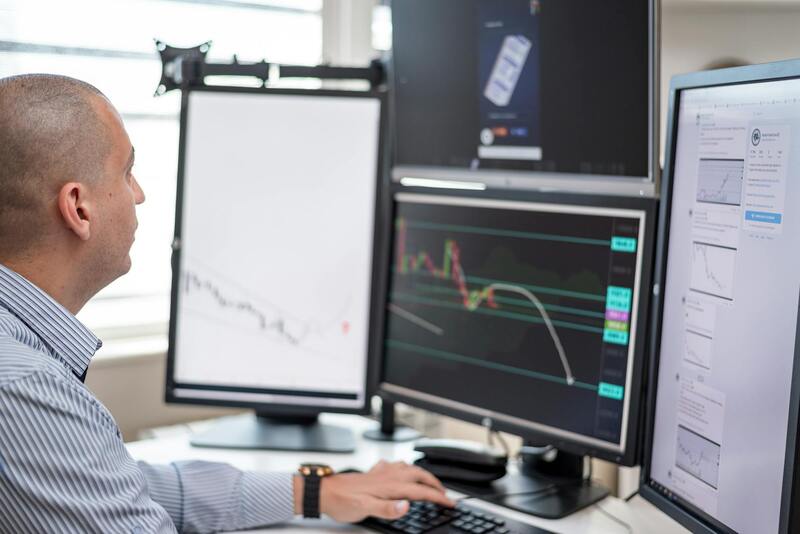
Risk mitigation extends beyond individual trades to encompass overall portfolio management. Many firms employ real-time monitoring tools and automated alerts to notify traders when they approach pre-set risk boundaries. This proactive approach helps prevent catastrophic losses and encourages traders to maintain disciplined trading habits.
Performance Evaluation and Continuous Improvement
Periodic performance reviews are an integral part of a forex prop trading firm’s operations. Traders are regularly assessed based on profitability, consistency, adherence to risk management standards, and strategic resilience. Feedback sessions or coaching are often incorporated, providing traders with insights into their trading behaviors and areas for enhancement.
This ongoing evaluation allows firms to identify high-performing traders and offer them advanced capital allocations or further training. Conversely, traders who struggle to meet standards may undergo retraining or be prompted to modify their trading approaches. Such iterative processes cultivate a culture of continuous improvement and professional development within the firm.
Utilization of Advanced Technology and Trading Tools
To bolster risk management efforts, forex prop trading firms leverage sophisticated technology, including trading algorithms, real-time analytics, and risk assessment software. These tools assist traders in making informed decisions by providing comprehensive market data, technical analysis parameters, and execution capabilities.
An example of this technological integration is the use of automated trading systems that execute trades based on predefined strategies, reducing emotion-driven decisions. Moreover, data analytics facilitate the identification of trading patterns and performance metrics, enabling traders and risk managers to optimize their approaches continually.

Overall, these rigorous risk management practices, combined with technological support, form the backbone of successful forex prop trading operations. Such structured approaches mitigate losses, promote discipline, and elevate trading proficiency, ensuring both traders and firms achieve sustainable growth in the volatile currency markets.
Key Strategies for Success Within a Forex Prop Trading Firm
Traders aiming to excel within a forex prop trading firm must adopt disciplined practices and leverage available resources effectively. Developing a comprehensive trading plan is essential, encompassing well-defined entry and exit strategies, risk management protocols, and profit targets. This structure helps mitigate impulsive decisions driven by market volatility or emotional reactions, fostering consistency in trading performance.
Utilizing advanced trading technology and analytical tools provided by the firm can significantly enhance decision-making processes. Real-time market data, technical indicators, and algorithmic trading systems allow traders to identify potential opportunities swiftly and execute trades with precision. Regular performance reviews and feedback sessions with firm analysts or mentors help identify strengths and areas for improvement, supporting continuous professional growth.
Risk management remains a cornerstone of success in forex trading, especially within a prop firm environment. Employing effective position sizing, stop-loss orders, and adherence to predetermined risk limits minimizes potential losses and preserves capital for future opportunities. Managing leverage responsibly is vital to balance growth ambitions with the preservation of account stability, particularly during turbulent market conditions.
Building resilience and mental fortitude is equally important. Forex trading can be emotionally taxing, especially during periods of volatility or loss streaks. Maintaining a level-headed approach, avoiding overtrading, and adhering to established trading plans help sustain long-term profitability. Many firms emphasize the importance of continuous education, encouraging traders to stay updated on market trends, economic indicators, and trading innovations.
Ensuring Compliance and Ethical Trading Practices
Participating in a forex prop trading firm necessitates strict adherence to established trading norms and ethical standards. Transparency in trade execution, honest reporting of results, and compliance with all operational protocols ensure the integrity of the trading environment. Firms often implement internal audits and monitoring systems to oversee trader activities, ensuring that all operations align with their ethical guidelines and operational procedures.
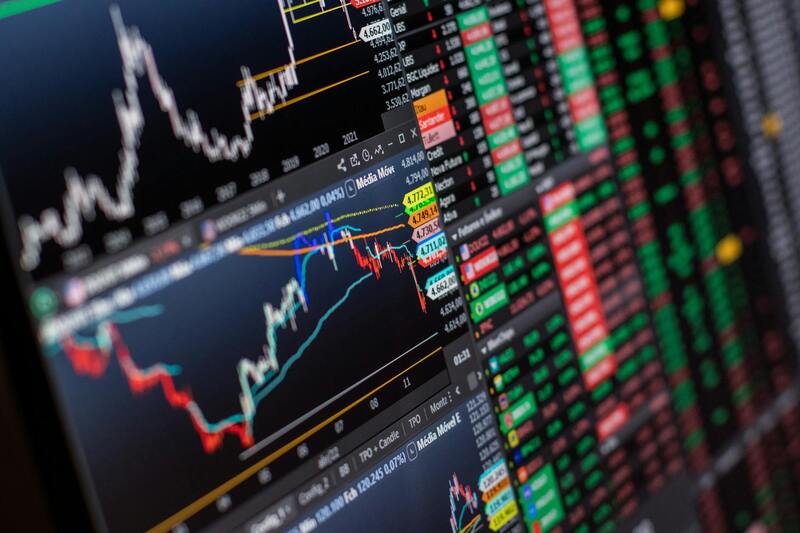
Developing a solid understanding of the firm's policies, regulations, and trading best practices is crucial. Traders are advised to maintain meticulous records of their trades, including rationale and outcomes, to facilitate ongoing evaluation and accountability. Such practices contribute to maintaining a trustworthy trading environment and support professional development.
Harnessing the Power of Collaboration and Community
Many forex prop trading firms foster a collaborative atmosphere where traders share insights, strategies, and market analysis. Engaging actively with the community cultivates a diverse knowledge base and enables traders to learn from a wide range of experiences. Peer feedback, mentorship programs, and trading forums are valuable resources that promote shared growth and innovation.
Furthermore, participating in regular training sessions, workshops, and competitive challenges enhances skill sets and encourages a proactive approach to market analysis. These initiatives foster a culture of continuous improvement, adaptability, and resilience, which are essential traits in the ever-evolving landscape of forex trading.
In conclusion, success within a forex prop trading firm hinges on disciplined trading practices, strategic technology use, compliance, and active engagement with the trading community. By adopting these approaches, traders can maximize their performance, minimize risk, and contribute to the overall growth and reputation of the firm.
Starting or Creating a Forex Prop Trading Firm
Establishing a reputable forex prop trading firm requires meticulous planning and a thorough understanding of the trading industry’s infrastructure. From securing adequate capital to designing comprehensive operational strategies, every step should emphasize transparency, risk management, and adherence to best practices. Initial capital infusion is essential to ensure smooth trading activities and to maintain sufficient liquidity for executing trades effectively. This capital often comes from internal sources or strategic investors who appreciate the firm’s vision and compliance standards.
Developing robust policies and procedures is critical for creating a sustainable trading environment. These policies should outline trading protocols, risk limits, and profit-sharing models that align with industry standards while promoting incentivization and accountability. As the firm grows, implementing an effective compliance framework ensures that all trading activities adhere to regulatory guidelines and internal standards, fostering trust among traders, clients, and stakeholders.

Recruiting skilled and disciplined traders forms the backbone of a successful prop trading company. To attract top talent, the firm should offer comprehensive training programs and a supportive environment that emphasizes continuous development. Establishing performance evaluation metrics, such as trade review sessions and profit targets, helps monitor progress and ensures traders align with the firm's strategic objectives.
Technological infrastructure is another cornerstone of a proficient forex prop trading firm. Investing in advanced trading platforms, data feeds, analytics tools, and secure communication channels empowers traders to make informed decisions swiftly. Integrating automated systems for risk management, trade execution, and reporting reduces human error, enhances compliance, and boosts overall efficiency.
Building a Team and Infrastructure
- Trading Platform: Choose reliable software that supports fast execution, risk management, and customization.
- Risk Management Systems: Implement automated tools to monitor and limit exposure across all traders.
- Training and Support: Regular skill development sessions, mentorship, and resource sharing foster a knowledgeable community.
- Legal and Regulatory Compliance: Engage legal experts to ensure adherence to local and international trading regulations and standards.
Finally, cultivating a transparent and collaborative culture is essential. By fostering open communication, encouraging innovation, and providing incentives for responsible trading, a new forex prop trading firm can position itself as a trustworthy and competitive player in the industry. Keeping a focus on ethical practices and continuous improvement will help sustain growth and attract a diverse pool of talented traders.
Understanding the Operational Framework of Forex Prop Trading Firms
Forex prop trading firms employ a structured approach to facilitate the trading activities of their in-house traders. These firms typically establish a comprehensive framework that combines capital allocation, risk management protocols, and detailed trading policies. Such frameworks are designed to create an environment where traders can operate efficiently while maintaining compliance with the firm’s standards.
At the heart of these operational structures is the provision of trading capital, which allows traders to execute larger positions than they could individually. This capital is often allocated based on performance metrics and adherence to risk protocols. Traders are expected to follow specific trading strategies and risk limits, which are monitored through sophisticated tracking systems.
Risk management is a core component in these firms׳ operations. Many employ automated risk assessment tools that continuously review ongoing trades, ensuring traders do not exceed predefined exposure levels. These systems facilitate immediate intervention if necessary, effectively minimizing potential losses.
In addition, regular evaluation and reporting form part of the operational framework. Traders are required to submit detailed trade logs and performance reports, which are analyzed to gauge consistency, profitability, and adherence to risk parameters. Such assessments foster a disciplined trading environment and promote continuous improvement.

Implementation of Technology and Infrastructure
Modern forex prop trading firms leverage cutting-edge technology to enhance operational efficiency and trading precision. Advanced trading platforms equipped with real-time data feeds, algorithmic trading capabilities, and customizable tools are standard features. These platforms enable traders to analyze market trends promptly and execute trades with minimal latency.
Furthermore, data analytics and artificial intelligence tools are increasingly used to identify trading opportunities and potential risk points. Automated systems for trade execution, risk assessment, and reporting streamline daily operations and reduce human error.
Secure communication channels and compliance software are integrated to uphold data security and regulatory standards. Continuous technological upgrades are essential for maintaining competitive advantage and ensuring traders have the necessary resources to succeed in dynamic market conditions.

Fostering a Culture of Transparency and Responsibility
Establishing a culture grounded in transparency, responsibility, and continuous learning is vital for the sustainable success of a forex prop trading firm. Clear communication of rules, expectations, and performance standards helps align traders' goals with the firm’s strategic objectives.
Offering ongoing training, mentorship programs, and access to analytical tools encourages traders to develop their skills responsibly. Recognizing responsible trading behaviors and rewarding consistent performance can motivate traders and foster loyalty.
Maintaining ethical practices and adhering to international standards ensure that the firm’s operations are sustainable and reputable. Such an environment attracts talented traders and builds a solid foundation for long-term growth in the competitive realm of forex trading.
Final Considerations for Aspiring and Existing Forex Prop Trading Firms
Entering or establishing a forex prop trading firm requires adherence to established practices that prioritize operational efficiency, compliance, and trader development. Since the landscape is highly competitive and constantly evolving, understanding key operational frameworks is essential for sustained success.
Implementing Robust Risk Management Protocols
Risk management remains the cornerstone of a profitable and resilient forex prop trading firm. These protocols should encompass real-time monitoring systems, strict trading limits, and automated risk controls that alert traders and managers to potential losses before they escalate. Additionally, instituting mandatory trade review processes helps ensure adherence to risk parameters and promotes accountability.
Building a Skilled and Disciplined Trader Community
Recruitment and ongoing training are critical components in maintaining a competitive edge. Firms often develop comprehensive onboarding programs that include trading psychology, market analysis, and the use of proprietary tools. Continuous education through workshops, seminars, and simulated trading environments fosters professional growth and reinforces disciplined trading behaviors.
Leveraging Advanced Trading Technologies

Automated trading systems, artificial intelligence-driven analytics, and high-frequency trading infrastructure are integral to staying competitive. These tools enable firms to execute trades swiftly, analyze massive datasets efficiently, and adapt to market volatility proactively.
Ensuring Ethical and Transparent Operations
Maintaining transparency in trading operations and decision-making processes builds trust within the trader community and with external stakeholders. Clear guidelines on trading practices, performance metrics, and payout structures help set expectations and foster a culture of integrity.
Fostering a Continuous Improvement Environment
In the dynamic realm of forex trading, ongoing innovation is necessary. Regularly reviewing trading strategies, adopting new technologies, and analyzing trading outcomes promote a learning environment that adapts to emerging market conditions and regulatory updates.
Key Challenges and How to Overcome Them
- Market Volatility: Implement flexible risk controls and diversify trading strategies to withstand unpredictable price swings.
- Regulatory Changes: Stay informed about industry regulations and maintain rigorous compliance procedures to avoid operational disruptions.
- Trader Retention: Offer attractive incentive schemes, professional development opportunities, and a positive trading environment to retain top talent.
With a strategic focus on risk management, technology utilization, ethical practices, and continuous improvement, forex prop trading firms can establish a sustainable and thriving presence in the competitive forex marketplace.