Overview of Prop Trading Technology
Proprietary trading firms leverage advanced technology to streamline their operations, enhance trading accuracy, and improve risk management. The integration of sophisticated software and hardware solutions allows traders to access real-time market data, execute trades swiftly, and analyze complex trading strategies effectively. These technological tools are fundamental in transforming traditional trading methods into highly automated and precision-driven processes, enabling firms to adapt rapidly to volatile markets and optimize profitability.
Modern prop trading technology encompasses a wide array of systems designed specifically for the needs of proprietary traders. These systems facilitate reliable order execution, comprehensive data analysis, and robust risk controls. For instance, integrated trading platforms not only provide access to multiple markets but also offer advanced charting tools and customizable interfaces. By utilizing such platforms, traders can analyze market trends with precision and execute high-frequency trades with minimal latency.
Effective risk management is a cornerstone of prop trading success. Technology plays a pivotal role in monitoring trading activities in real-time, setting automated stop-loss and take-profit orders, and generating detailed reports for compliance and review. This continuous oversight allows firms to minimize losses and protect their capital while maximizing opportunities in dynamic trading environments.
Operational processes, from onboarding traders to back-office functions, are also optimized through specialized software solutions. These platforms help streamline funding evaluations, manage account structures, and facilitate performance tracking. Additionally, cloud computing and secure data storage ensure that sensitive information remains protected and accessible when needed, further reinforcing operational integrity.

As technology evolves, prop trading firms continuously upgrade their systems to stay competitive. Emphasis on automation, artificial intelligence, and machine learning is rising, promising smarter trading strategies, improved predictive analytics, and efficient workflow management. The future of prop trading technology lies in seamless integration, real-time data processing, and adaptive algorithms that can respond swiftly to market changes, ensuring firms remain at the forefront of the industry.
Overview of Prop Trading Technology
Prop trading technology encompasses a comprehensive suite of tools and systems designed to facilitate efficient, precise, and responsive trading operations within proprietary firms. At its core, advanced trading infrastructure integrates high-performance hardware, low-latency networks, and sophisticated software solutions that work in harmony to execute trades swiftly and accurately. These technological advancements allow prop traders to analyze vast amounts of market data, identify lucrative opportunities, and implement strategies with minimal delay, thereby gaining a competitive edge in fast-moving markets.

Modern prop trading firms leverage a variety of components that serve specific functions:
- Trading Terminals and Platforms: These are customized or third-party platforms optimized for speed and reliability, supporting both manual and algorithmic trading strategies.
- Market Data Feeds: Subscription to real-time data streams allows traders to respond swiftly to market movements, while historical data supports backtesting and strategy development.
- Order Execution Systems: Sophisticated order routers and execution algorithms ensure optimal transaction speed and price improvement, reducing slippage and transaction costs.
- Analytics and Reporting Tools: Advanced software provides detailed insights into trading performance, risk exposure, and compliance metrics, enabling ongoing optimization.
Integration of artificial intelligence and machine learning is becoming increasingly prevalent, enabling predictive analytics and pattern recognition that enhance decision-making capabilities. Cloud computing platforms are employed for scalable data storage and processing, ensuring that proprietary algorithms and sensitive information are protected while maintaining high accessibility.
Technological Infrastructure Supporting Modern Prop Trading Operations
As the industry advances, continuous upgrades to the technological ecosystem are vital. Firms focus on automation features that reduce manual intervention, such as auto-execution of pre-defined strategies, and bots for routine trading activities. The implementation of secure data environments guarantees that trading secrets, client information, and operational data are safeguarded against breaches, fostering trust and compliance across day-to-day activities.
Furthermore, the adoption of real-time monitoring tools allows firms to oversee trading activities, detect anomalies, and respond swiftly to unforeseen market events. This proactive oversight ability reduces the risk of large losses and enhances overall operational resilience.

Looking ahead, the evolution of prop trading technology is focused on seamless integration, greater reliance on AI-driven decision-making, and adaptive algorithms capable of self-improving based on market conditions. These innovations promise to elevate trading efficiency, improve predictive accuracy, and enable firms to better navigate volatility while maintaining compliance and security standards.
Trading Platforms and Software
In prop trading, the choice of trading platforms and software plays a pivotal role in ensuring operational efficiency and competitive advantage. Professional traders rely on advanced, feature-rich platforms that support a wide array of asset classes, including forex, commodities, indices, and cryptocurrencies. Compatibility with multiple trading algorithms and custom indicators is essential, allowing traders to tailor their strategies to prevailing market conditions.
Most prop trading firms adopt industry-leading platforms that facilitate high-speed trade execution, real-time data analysis, and comprehensive risk management tools. These platforms often integrate with brokers via APIs, providing seamless order routing and clearing processes. The interface must be robust yet intuitive, enabling traders to monitor multiple markets simultaneously while executing precise and rapid trades.

Automation and algorithmic trading capabilities are embedded within these platforms, empowering traders to deploy pre-programmed strategies that execute without manual intervention. This not only increases speed and accuracy but also reduces emotional biases in trading decisions. Furthermore, sophisticated backtesting modules allow for the evaluation of strategies against historical data, optimizing approach efficiency before real-time deployment.
- Execution speed and order accuracy
- Customizable interface and analytical tools
- Integration with third-party algorithms and APIs
- Real-time market data and news feeds
- Automated risk management features
The significance of secure data handling within trading software cannot be overstated. Constant updates and adherence to data encryption protocols ensure sensitive information, including client details and proprietary algorithms, are protected from potential breaches or unauthorized access.
As the industry progresses, new software innovations are emerging, emphasizing cloud-based solutions for enhanced accessibility and scalability. Cloud platforms enable traders to access their accounts from multiple devices across different locations, facilitating flexible and resilient trading operations.
Integration and Adaptability
Modern prop trading ecosystems are designed to be adaptable and integrative. Platforms seamlessly connect with various data sources, analytics tools, and risk management systems, creating a cohesive environment that supports comprehensive trading strategies. This interconnected infrastructure minimizes latency, enhances data accuracy, and ensures that traders are equipped with real-time insights needed to make informed decisions.
Emerging trends include the deployment of artificial intelligence (AI) and machine learning (ML) algorithms within trading platforms. These technologies automate pattern recognition, signal generation, and decision-making processes, significantly augmenting trader capabilities and strategic precision.

Overview of Prop Trading Technology
Prop trading technology is the backbone of modern proprietary trading firms, providing the tools and infrastructure necessary for traders to execute strategies efficiently and securely. These technologies encompass a broad range of hardware and software solutions designed to optimize trading performance, facilitate swift decision-making, and ensure robust risk management. As the industry evolves, the emphasis on innovation, reliability, and integration becomes increasingly critical to maintaining a competitive edge.
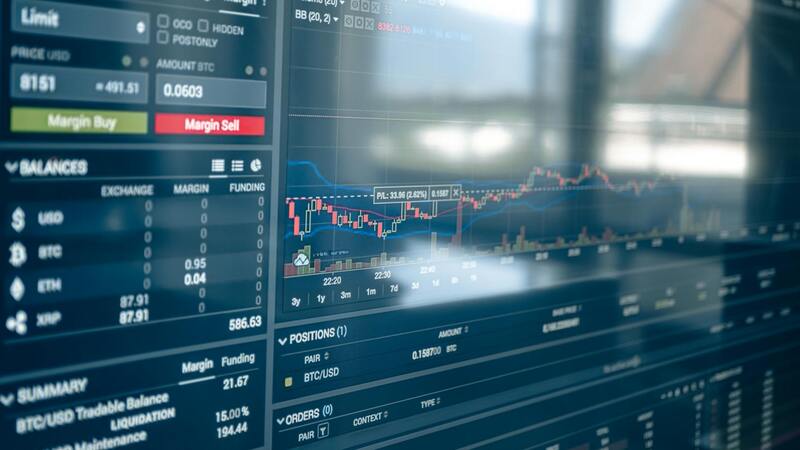
At the core, prop trading technology includes high-speed trading platforms, real-time data feeds, and cloud computing resources, all integrated seamlessly to support sophisticated trading strategies. These systems are engineered to deliver low latency, high availability, and scalable infrastructure, enabling traders to react swiftly to market movements while maintaining stability and security across their operations.
Trading Platforms and Software
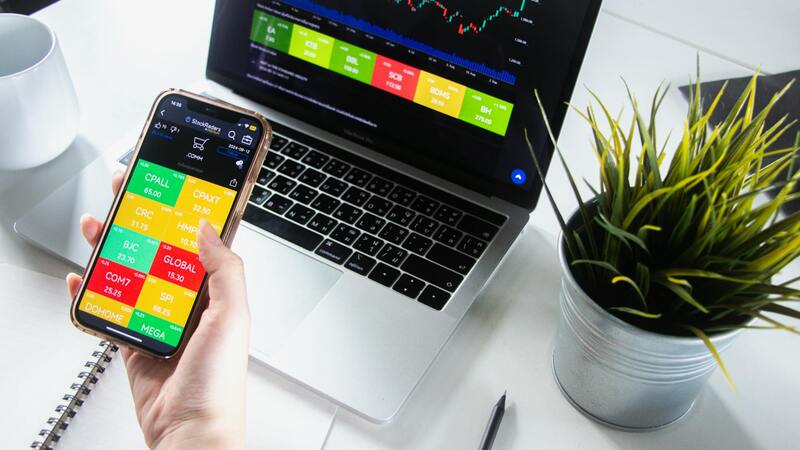
Trading platforms serve as the primary interface between traders and the markets. They incorporate a wide array of features, including customizable dashboards, advanced charting tools, and order execution capabilities. Most of these platforms are built to support multiple asset classes such as forex, equities, commodities, and derivatives, allowing prop firms to diversify their trading activities efficiently.
Popular trading software often includes real-time risk assessment modules, algorithmic trading capabilities, and automated order management systems. These features help traders implement complex strategies with precision while maintaining strict oversight on their trading conduct.
Algorithmic and Quantitative Trading Tools
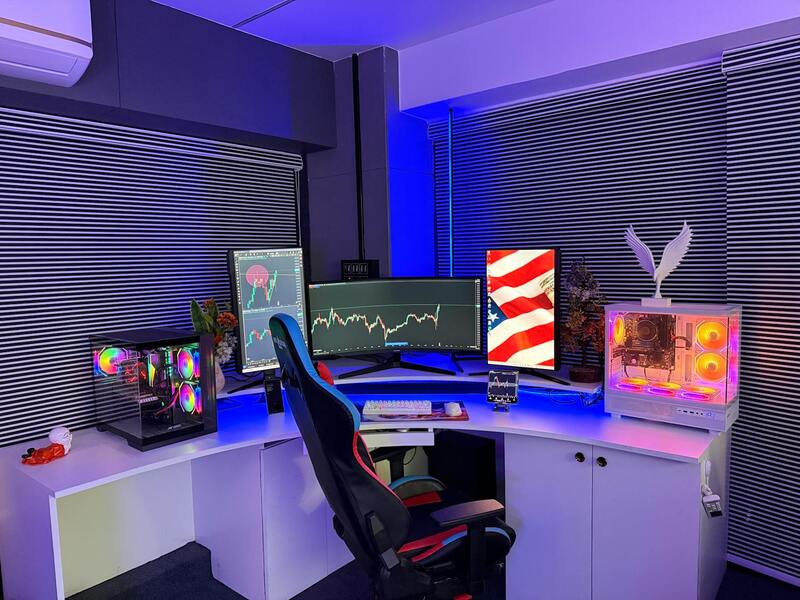
Algorithmic trading tools have become indispensable in prop trading environments, empowering traders and quantitative analysts to develop, test, and deploy automated strategies. These tools utilize sophisticated mathematical models and statistical techniques to identify trading signals, optimize order execution, and adapt to changing market conditions.
Quantitative trading platforms incorporate large datasets, backtesting modules, and machine learning algorithms, allowing firms to refine their strategies with minimal human intervention. This not only improves execution speed but also enhances the ability to detect subtle market patterns that might elude manual observation.
Key features of these tools include:
- Signal generation based on technical and fundamental analysis
- Risk-adjusted portfolio management
- Automated trade execution with real-time monitoring
- Continuous performance analysis and strategy refinement
By leveraging these technologies, prop trading firms can maintain a competitive advantage through faster responses to market fluctuations and more precise risk controls.
Funding and Evaluation Platforms
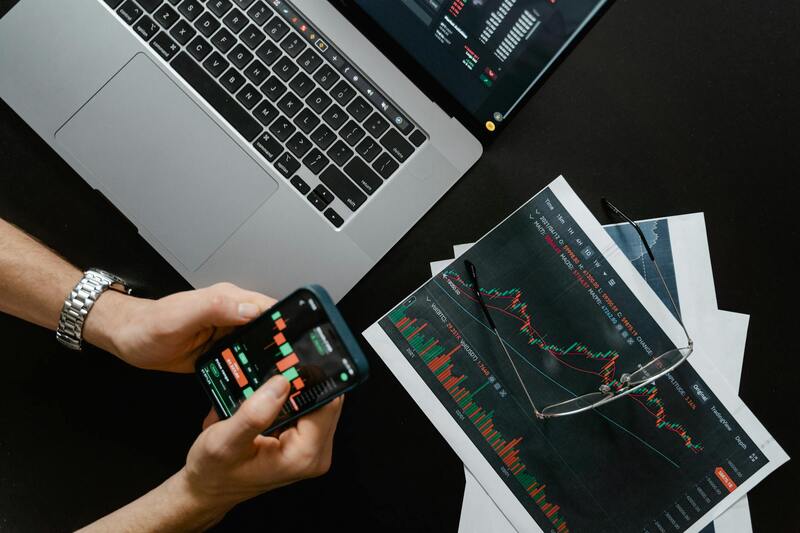
At the core of prop trading technology lies the sophisticated infrastructure designed to facilitate trader assessment and capital allocation. Evaluation platforms are tailored to objectively gauge a trader’s skill, consistency, and risk management capabilities through structured challenges and simulated trading environments. These platforms employ advanced algorithms to track performance metrics such as profit consistency, drawdown control, and adherence to risk protocols, providing a comprehensive analysis of a trader’s potential.
Modern evaluation systems often incorporate real-time data processing and automated scoring mechanisms, enabling instant feedback and decision-making. Traders are subjected to simulated environments that replicate live market conditions, ensuring that their strategies are tested under realistic scenarios without jeopardizing firm capital. This process enhances the identification of trustworthy and skilled traders, streamlining the onboarding process.
Once a trader successfully completes the evaluation, instant funding platforms come into play. These systems leverage robust technological frameworks to provide immediate access to trading capital, often contingent upon predefined performance benchmarks. The seamless transfer of funds is facilitated by secure API integrations and automated compliance checks, allowing traders to begin live trading without delay. This integration of evaluation and funding platforms accelerates the overall operational efficiency and enables prop firms to scale swiftly while maintaining strict oversight.
Security and Data Protection
In the realm of prop trading technology, safeguarding sensitive data and maintaining operational integrity are fundamental priorities. These systems employ multi-layered security protocols that include encryption standards, secure authentication processes, and intrusion detection systems to protect proprietary information and client data. Ensuring data integrity is critical, especially given the high value and confidentiality associated with trading algorithms, strategies, and trader identities.
Robust cybersecurity measures extend to protection against data breaches, unauthorized access, and cyber threats. Regular audits and compliance checks are integrated into the technological framework, fostering a secure trading environment. Furthermore, secure data storage solutions with encrypted backups ensure continuity and recovery in case of unexpected disruptions.
Innovations and Future Trends
The evolution of prop trading technology continues unabated, with emerging innovations set to redefine industry standards. Quantum computing promises to enhance data processing capabilities, enabling faster and more precise algorithmic trading strategies. The integration of artificial intelligence and machine learning will further optimize decision-making processes, adaptive strategies, and risk assessments, making trading environments more autonomous and efficient.
Decentralized platforms utilizing blockchain technology are also gaining traction, offering heightened transparency and security in trade execution and data management. As the industry increasingly adopts cloud-based solutions, scalability and collaboration across global teams are expected to improve significantly. The ongoing development of real-time analytics tools, combined with enhanced connectivity and data sharing, will empower traders and firms to adapt dynamically to market changes.
Starting and Operating a Prop Trading Firm
Launching a successful prop trading operation requires integrating state-of-the-art technology infrastructure. This includes selecting reliable trading platforms, establishing secure data environments, and implementing advanced risk management systems. Continuous upgrades and compliance adherence are necessary to sustain competitive advantage. By leveraging innovative technological solutions, new firms can optimize trader onboarding, risk controls, and operational efficiency, positioning themselves for scalable growth in the competitive trading landscape.
Risk Management and Monitoring Systems
Effective risk management is fundamental to any proprietary trading operation, underpinning the longevity and profitability of the firm. Advanced risk management and monitoring systems utilize a combination of real-time data analysis, automated alerts, and comprehensive reporting tools to enable traders and risk managers to swiftly identify and respond to potential threats or adverse market conditions.
Modern systems incorporate sophisticated algorithmic models that evaluate trade exposures, margin requirements, and portfolio volatility. These models facilitate dynamic adjustment of trading limits and position sizes, ensuring traders operate within acceptable risk parameters. Moreover, integrating machine learning techniques allows these systems to adapt proactively, learning from historical data to predict and mitigate emerging risks more effectively.
Monitoring systems also provide transparency by tracking every transaction and trading activity, creating an auditable trail that enhances accountability. They utilize dashboards that offer real-time visualizations of trading performance, risk metrics, and compliance adherence, allowing risk teams to make informed decisions quickly.
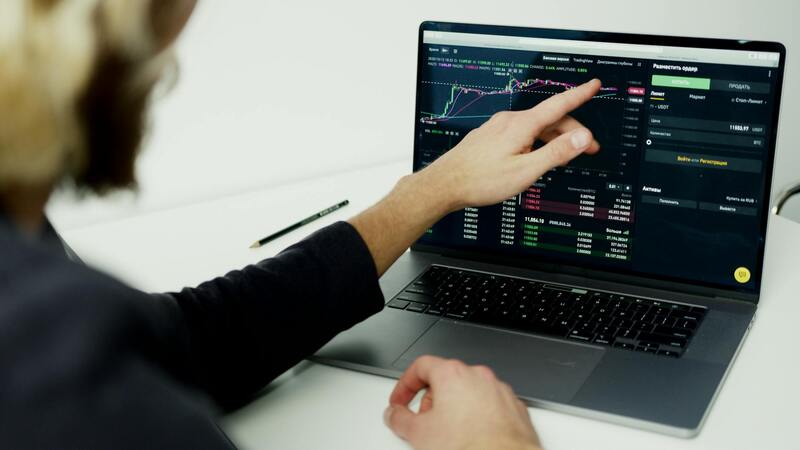
Robust risk management frameworks are complemented by automated compliance checks, which ensure that trading activities align with both internal policies and external regulations. These systems automatically flag suspicious activities, such as unusual trading patterns or unauthorized leverage usage, facilitating prompt investigation and resolution.
As prop trading firms expand, scalability of risk management systems becomes increasingly important. Cloud-based solutions allow for elastic capacity, accommodating growing data volumes without compromising performance. Coupled with AI-driven analytics, these platforms provide predictive insights that help firms anticipate market shifts and adjust positions proactively, minimizing potential losses.
- Real-time trade monitoring and performance analysis
- Automated risk exposure alerts and limit adjustments
- Comprehensive audit trails for compliance and review
- Predictive analytics driven by AI and machine learning
- Cloud scalability for handling large data sets and dispersed teams
Investing in advanced risk management and monitoring systems is essential for prop trading operations aiming to sustain resilience amidst volatile markets. Their ability to deliver rapid detection, analysis, and response capabilities ensures that traders can capitalize on opportunities while maintaining disciplined risk controls, which are vital for long-term success and stability.
Overview of Prop Trading Technology
Prop trading technology encompasses a diverse array of tools, systems, and software designed to enable proprietary trading firms to operate efficiently, securely, and competitively in dynamic financial markets. These technological solutions are integral to executing trades swiftly, managing risk effectively, and ensuring compliance with industry standards. As the landscape evolves, emphasis on advanced analytics, automation, and data security continues to grow, reflecting the high-stakes environment where precision and reliability are paramount.
Trading Platforms and Software
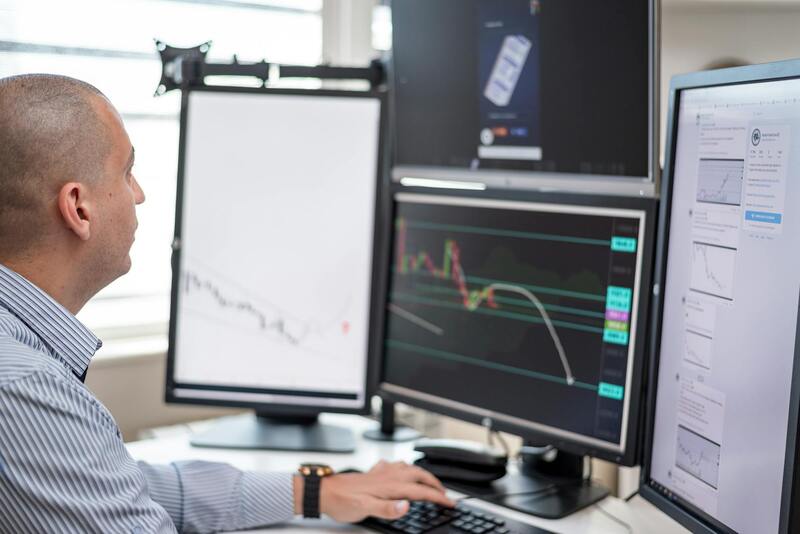
The backbone of prop trading operations lies in sophisticated trading platforms that facilitate order execution, market analysis, and portfolio management. These platforms typically offer intuitive interfaces combined with powerful features such as multi-asset trading capabilities, real-time data feeds, and customizable dashboards. Many firms opt for proprietary trading software tailored to their specific strategies, while others utilize industry-standard platforms that support algorithmic trading and complex order types. Integration with market data providers and brokerage APIs ensures traders have access to the latest market insights and execution venues.
Features to Consider in Trading Software
- Real-time market data analysis
- Order execution speed and reliability
- Customizable scripting for automated strategies
- Multi-asset support for stocks, forex, commodities, and derivatives
- Advanced charting and technical analysis tools
Algorithmic and Quantitative Trading Tools
Modern prop trading firms leverage algorithmic and quantitative analysis tools to develop, backtest, and deploy automated trading strategies. These tools enable data-driven decision-making, allowing traders to identify patterns and exploit market inefficiencies. Robust backtesting environments simulate strategy performance against historical data, refining algorithms before live deployment. Quantitative models often incorporate machine learning techniques to adapt to changing market conditions, boosting strategic agility and risk-adjusted returns.

Core Capabilities of Quantitative Tools
- Data collection and preprocessing from diverse sources
- Machine learning and statistical modeling
- High-performance computing for rapid execution
- Scenario analysis and stress testing
- Real-time strategy monitoring and adjustment
Risk Management and Monitoring Systems
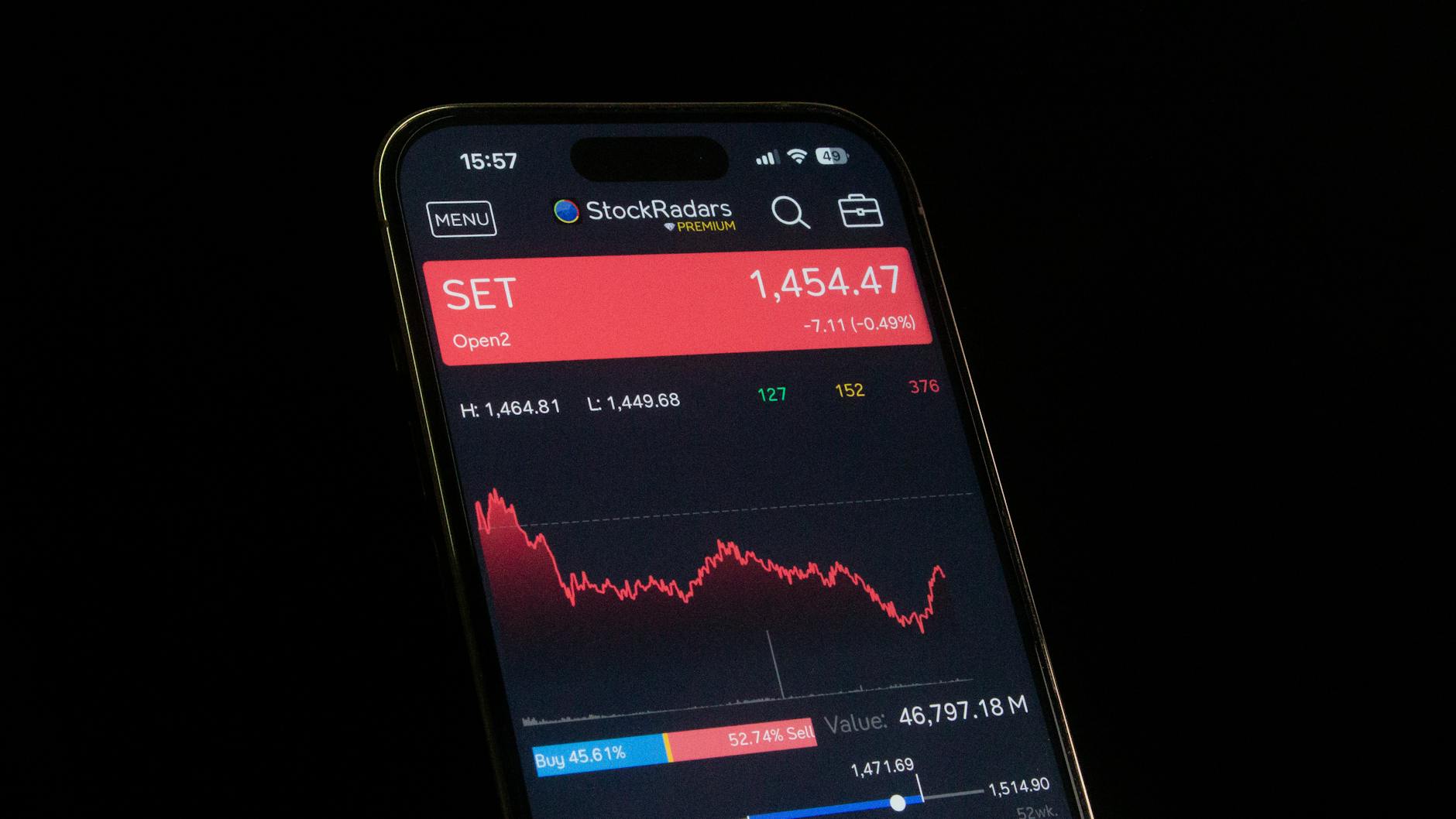
Effective risk management is central to the sustainability of prop trading activities. Advanced systems incorporate automated monitoring dashboards that provide real-time insights into trading positions, leverage, and potential exposure. These systems automatically flag anomalies and trigger risk limits to prevent excessive losses. Modern risk management solutions utilize predictive analytics, leveraging artificial intelligence to foresee potential market shifts and adjust risk parameters accordingly. Cloud-based deployments facilitate scalability, ensuring that risk controls evolve with the firm's growth and market complexities.
Key Components of Effective Risk Systems
- Automated alerts for violations of risk thresholds
- Real-time position and exposure tracking
- Audit trails for compliance and review
- Integration of machine learning for predictive risk analysis
- Scalable infrastructure supporting large data volumes
Funding and Evaluation Platforms
Funding platforms serve as the preliminary step for traders seeking capital to engage in proprietary trading. These platforms evaluate trading performance through rigorous testing and assessment phases before providing live funding. They often incorporate objective scoring criteria based on trade consistency, risk management discipline, and strategic adaptability. Technologically advanced evaluation systems automate the assessment process, reducing manual oversight while increasing transparency and fairness. Traders submit performance data that is analyzed against standardized benchmarks, ensuring that funded traders meet the operational standards required for sustainable trading.

Features of Modern Funding Platforms
- Automated performance scoring based on predefined metrics
- Seamless integration with trading accounts for live evaluation
- Real-time analytics and reporting tools
- Transparent criteria and instant decision-making
- Flexible funding options aligned with trader performance
Security and Data Protection
Security forms the foundation of reliable prop trading technology solutions. High-level encryption protocols protect sensitive trading data, financial information, and client details from unauthorized access. Multi-factor authentication, intrusion detection systems, and secure data centers ensure operational integrity. Additionally, compliance with international data protection standards provides reassurance that trading information remains confidential and tamper-proof. Regular audits and vulnerability assessments form part of a comprehensive security strategy, safeguarding the technological infrastructure against evolving cyber threats.

Advanced Prop Trading Technology and Its Operational Integration
State-of-the-Art Trading Platforms and Software
Chief among prop trading technology are sophisticated trading platforms designed to optimize execution speed, reliability, and flexibility. These platforms serve as the backbone of daily trading activities, offering traders real-time market data, advanced order types, and customizable interfaces. Industry-leading solutions incorporate features such as multi-monitor support, multi-asset class trading, and seamless integration with third-party analytic tools to enhance decision-making processes.
Enhanced APIs allow traders to develop custom modules and automated trading scripts, enabling more precise control over trading strategies. Furthermore, platforms often include built-in risk management modules, enabling instant adjustments to trading parameters in response to market volatility. These systems support multi-account management, allowing traders to oversee multiple trading accounts simultaneously, promoting efficiency and centralized control of risk exposure.
Algorithmic and Quantitative Trading Tools
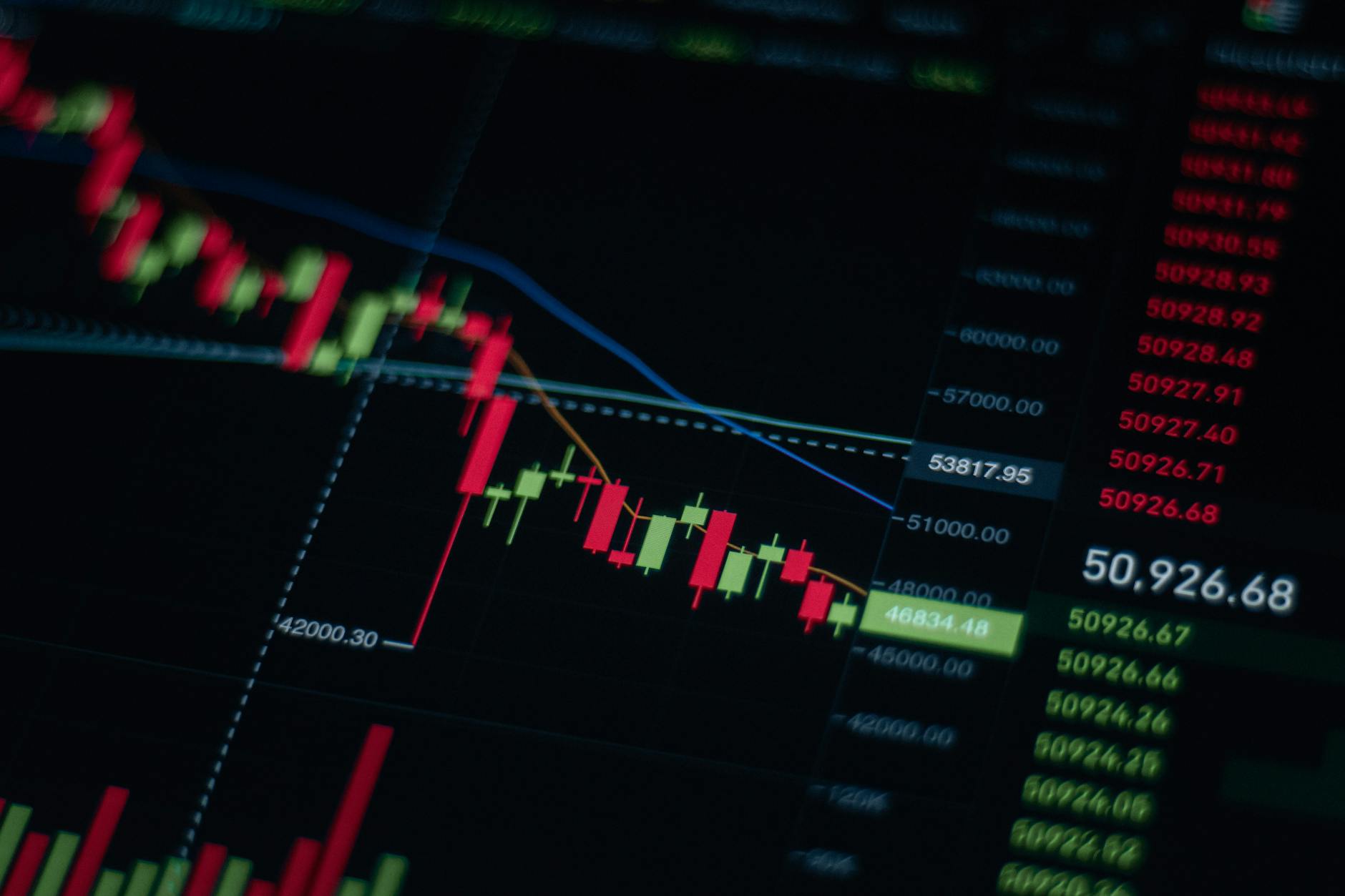
Algorithmic trading remains a cornerstone of prop firms seeking consistent profit through technology. These tools employ mathematical models to automate trading decisions based on complex algorithms that analyze market data, technical indicators, and news sentiment. Quantitative models often leverage machine learning techniques to adapt to changing market conditions, providing traders with predictive insights and trend detection capabilities.
Popular software solutions incorporate backtesting environments, allowing traders to evaluate strategy performance over historical data, refining algorithms before live deployment. Additionally, volatility and liquidity analysis modules help minimize slippage and optimize order execution. Proprietary algorithmic systems can be integrated directly into trading platforms, ensuring swift and precise order placement while continuously monitoring performance for real-time optimization.
Risk Management and Monitoring Systems in Prop Trading
Effective risk management tools are essential to safeguard capital and ensure the sustainability of trading operations. Modern prop trading systems utilize real-time risk analytics to monitor exposure levels, drawdown thresholds, and leverage ratios instantaneously. Automated alerts notify traders and risk managers of potential breaches, facilitating prompt interventions.
Advanced systems incorporate stress testing and scenario analysis modules to simulate extreme market conditions, enabling traders to preemptively adjust strategies. Dynamic position sizing algorithms adapt trade sizes to prevailing market volatility, helping to maintain consistent risk levels across various assets and market environments.
Comprehensive dashboards provide an overarching view of portfolio performance, exposure per asset class, and individual trader metrics. Continual performance audits and daily reconciliation processes ensure transparency and accountability, vital components in professional prop trading ecosystems.
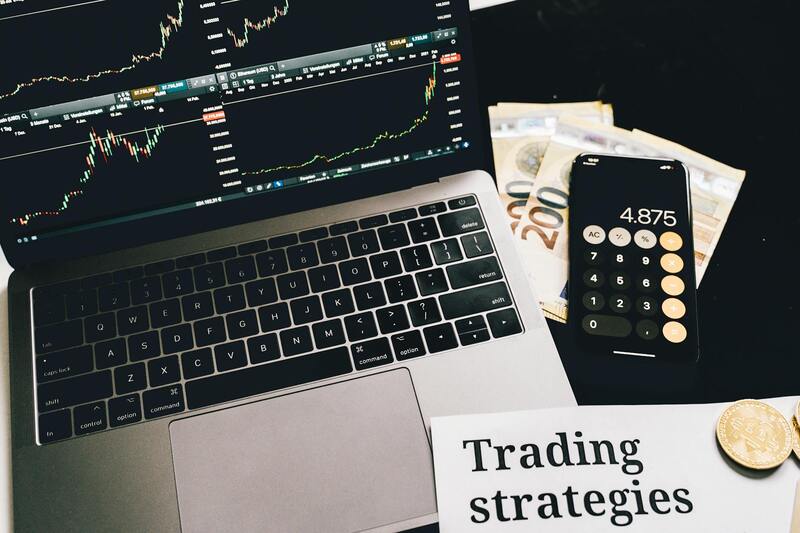
Funding and Evaluation Platforms
Technology-driven funding platforms automate the assessment of trader performance via standardized metrics, streamlining the process of capital allocation. These platforms use transparent scoring criteria based on profitability, consistency, drawdown limits, and trading discipline, allowing for quick decision-making regarding funding approvals and withdrawals.
Automated evaluation tools facilitate continuous monitoring, ensuring traders meet the set benchmarks for risk and performance. As traders progress, flexible funding structures can adjust allocations dynamically based on their demonstrated skills and consistency. This approach encourages disciplined trading while providing traders with the resources needed to scale their operations efficiently.

Security and Data Protection Measures
Securing proprietary trading data and user information is paramount. Modern prop trading technologies employ end-to-end encryption protocols, securing data in transit and at rest. Multi-factor authentication adds additional layers of security, limiting access to authorized personnel only. Secure data centers with intrusion detection systems ensure that trading infrastructure remains resilient against cyber threats.
Regular security audits, vulnerability assessments, and adherence to international data handling standards contribute to maintaining a robust security posture. Proprietary systems are designed with fail-safe mechanisms and rapid disaster recovery protocols, minimizing downtime and protecting sensitive information during unforeseen events. Furthermore, comprehensive user activity logs enhance accountability and facilitate audit trails, which are crucial for maintaining operational standards.

Emerging Innovations and Future Directions in Prop Trading Technology
Advances in artificial intelligence and machine learning continue to shape the landscape of prop trading technology, enabling more sophisticated predictive models and adaptive algorithms. Integration of blockchain technology is beginning to enhance transparency, traceability, and security of trading operations and fund management. Cloud computing platforms provide scalable and flexible infrastructure, reducing costs and enabling rapid deployment of new tools.
Future trends point toward greater automation and the development of smarter risk management systems capable of preemptively adjusting strategies based on real-time market signals. The adoption of natural language processing (NLP) will facilitate sentiment analysis, news aggregation, and faster reaction times. Additionally, augmented reality (AR) and virtual reality (VR) could revolutionize data visualization, offering immersive environments for market analysis and trader training.