Overview of Forex Prop Trading Firms
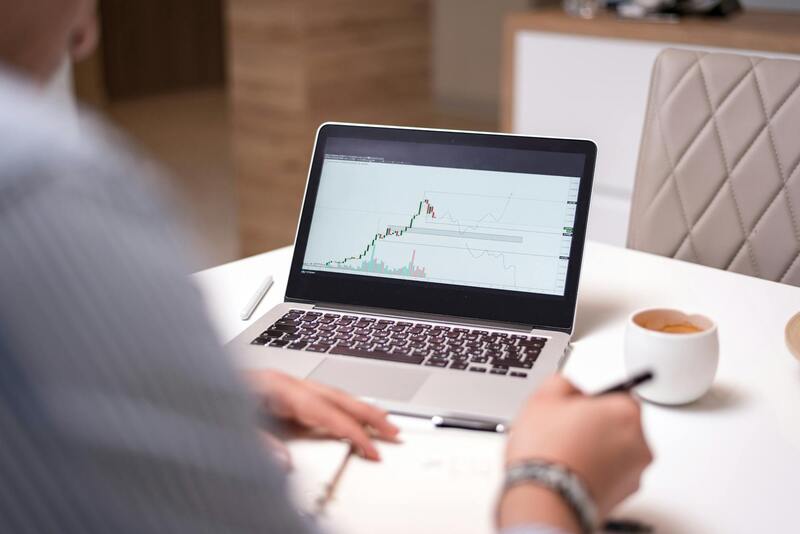
Forex proprietary (prop) trading firms serve a vital role within the broader financial trading industry by providing skilled traders with the capital and resources necessary to execute large-scale trades in the foreign exchange market. Unlike retail traders who utilize personal funds, traders within these firms operate on capital supplied by the organization, allowing them to leverage larger positions and access advanced trading tools. The primary purpose of forex prop firms is to generate profits through strategic trading activities while offering traders access to institutional-grade technology and support that might otherwise be unavailable to individual traders.
The structure of a typical forex prop trading firm combines professional expertise, cutting-edge technology, and a systematic approach to risk management. These entities often employ a team of experienced professionals who design trading strategies, develop risk controls, and oversee compliance with regulatory and internal standards. The operational workflow involves traders applying various strategies—ranging from manual discretionary trading to sophisticated algorithmic models—and utilizing comprehensive technological systems that ensure efficiency and security.
Fundamentally, forex prop firms operate by accepting talented traders, evaluating their skills and strategies through rigorous testing periods, and then allocating substantial capital once they meet certain performance criteria. This model creates an environment where traders can scale their trading activity without the constraints of personal capital limitations, leading to potentially higher gains. Furthermore, prop firms invest heavily in cutting-edge trading technologies, data analytics, and risk control systems to optimize execution and monitor market conditions in real-time.
Beyond profit generation, these firms also foster an ecosystem of continuous innovation in trading technologies. They often collaborate with software developers and technology providers to implement tools that provide traders with real-time market insights, automated order execution, and efficient data management. The overarching goal is to create a seamless, secure, and highly efficient trading environment that combines the expertise of traders with state-of-the-art technological infrastructure.

By integrating advanced trading systems, forex prop firms enable their traders to capitalize on market opportunities swiftly and accurately, setting the stage for consistent performance and growth within the competitive forex landscape.
Trading Platforms and Software Solutions
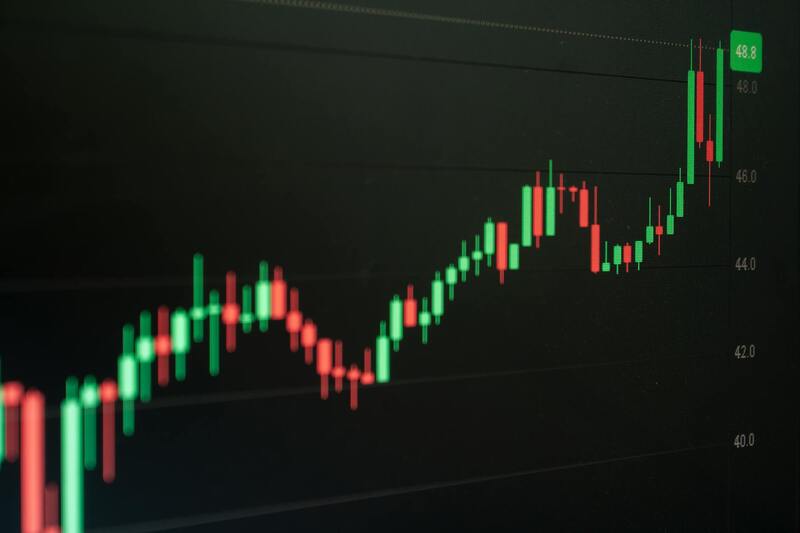
Forex prop trading firms rely heavily on sophisticated trading platforms that serve as the backbone of their operational infrastructure. These platforms facilitate rapid order execution, advanced charting, and comprehensive analysis tools designed to support traders in making informed decisions swiftly. The most prevalent platforms in the industry include MetaTrader 4 and MetaTrader 5, along with proprietary solutions tailored to specific firm needs. These platforms are often augmented with plugin modules that provide additional functionalities, such as real-time news feeds, technical indicators, and custom scripting capabilities.
Moreover, these platforms are integrated with data feeds from multiple liquidity providers, ensuring traders receive the best bid and ask prices across various markets. The seamless connectivity allows for competitive spreads and fast execution speeds, which are crucial in the high-frequency environment of prop trading. User interfaces are optimized for both desktop and mobile devices, ensuring traders can monitor and execute trades from anywhere, at any time.

Automated Trading and Algorithmic Strategies
Automation plays a pivotal role in maximizing trading efficiency and consistency in prop firms. Many traders utilize expert advisors (EAs) and algorithmic trading strategies that execute trades based on pre-defined parameters and market signals. These automated systems help eliminate emotional biases and ensure consistent adherence to trading plans, even during volatile market conditions.
Prop firms invest in developing and refining proprietary algorithms that can identify market patterns, execute entry and exit points with precision, and manage risk dynamically. These algorithms often incorporate machine learning techniques to adapt to changing market behaviors, continually improving their predictive accuracy over time. Furthermore, automated trading tools are integrated with risk management modules that automatically close positions if certain thresholds are breached, protecting capital from undue losses.
Funding Models and Technology Integration
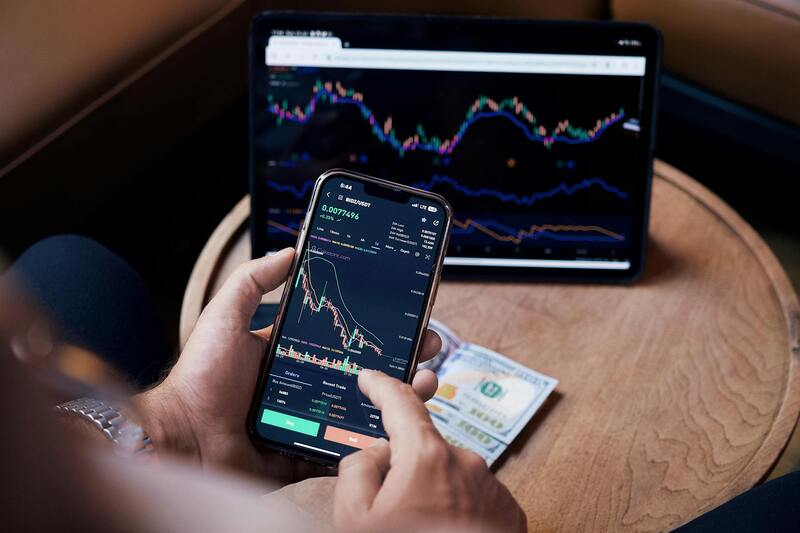
Modern forex prop firms utilize innovative funding models supported by robust technological integrations. These models include scaling capital based on performance metrics, with platforms designed to track individual trader results smoothly. Integration with performance dashboards and real-time analytics allows firms to monitor traders' contributions and manage risk effectively, ensuring that capital allocation aligns with the firm's strategic objectives.
The technology infrastructure underpinning these models includes secure APIs connecting trading platforms, accounting systems, and risk monitoring software. This interconnected environment facilitates swift approval processes for increased capital deployment and enables transparent performance tracking. By adopting cloud-based solutions, firms also ensure scalability and resilience, allowing seamless access to trading resources regardless of location.
Security and Data Management in Prop Trading
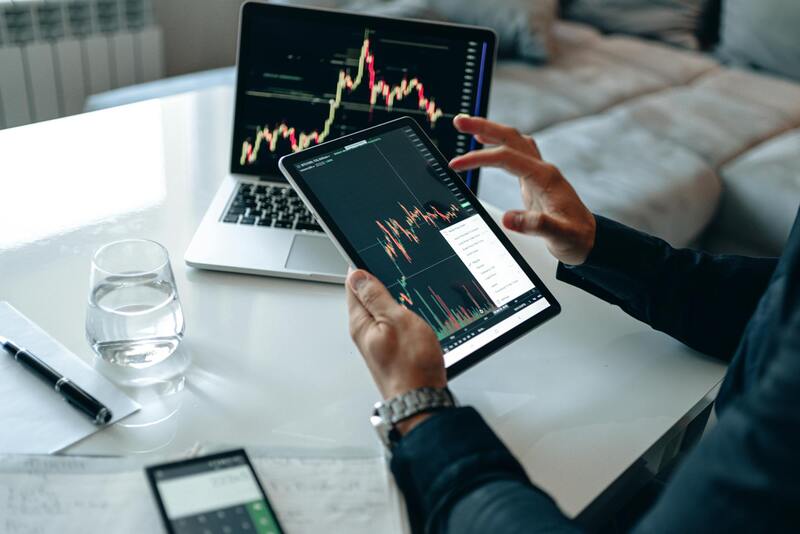
Security is paramount in the realm of forex prop trading, given the sensitive nature of financial data and client information. Advanced encryption protocols, multi-factor authentication, and secure data centers protect traders' accounts and proprietary strategies from cyber threats. Additionally, firms implement real-time threat detection systems that monitor network activity to identify and mitigate potential breaches promptly.
Efficient data management is achieved through centralized databases that aggregate trading data, risk metrics, and performance analytics. These systems support compliance, audit trails, and strategic decision-making. Data redundancy and backup solutions ensure continuity of operations in the event of hardware failures or cyber incidents, preserving the integrity and confidentiality of critical information.

Emerging Trends and Future of Trading Technologies
The future of trading technologies in prop firms is poised for rapid evolution, driven by advancements in AI, machine learning, and big data analytics. Real-time predictive analytics and adaptive algorithms will become more sophisticated, enabling traders to anticipate market movements with greater accuracy. Additionally, the integration of blockchain technology promises enhanced transparency and security in transaction processing.
Blockchain-enabled smart contracts may automate compliance and settlement processes, reducing operational friction and increasing efficiency. The development of 5G connectivity and edge computing will further decrease latency, facilitating ultra-fast trade execution critical for high-frequency trading strategies. Moreover, virtual and augmented reality interfaces are on the horizon for immersive data analysis and trading management, transforming the way traders interact with market data.

Starting or Joining a Forex Prop Trading Firm with Advanced Technologies
Prospective traders interested in joining a prop firm should focus on understanding the technological tools and infrastructure that underpin successful trading strategies. Firms with advanced trading technologies often offer comprehensive onboarding programs, including tutorials on platform usage, algorithmic trading, and risk management systems. Familiarity with these tools can significantly enhance a trader's ability to perform effectively within the organization.
For those looking to start their own trading operation, building a robust technological ecosystem is essential. Investment in high-performance hardware, reliable connectivity, and cutting-edge software solutions will provide the foundation for scalable, efficient trading, ensuring competitiveness in the dynamic forex market. Collaborations with technology providers and continuous upskilling in emerging trading tools will further empower traders to leverage technological innovations for sustained success.
Trading Platforms and Software Solutions
For forex prop traders, access to sophisticated trading platforms is paramount to executing high-precision strategies efficiently. The platforms adopted by leading prop firms are designed to deliver real-time market data, robust analytical tools, and seamless order execution capabilities. Popular choices include MetaTrader 4 and MetaTrader 5, renowned for their user-friendly interfaces, extensive customization options, and broad compatibility with various trading plugins and automated systems. These platforms support a wide array of technical indicators, advanced charting tools, and scripting languages to facilitate algorithmic trading.
In addition to MetaTrader, proprietary software solutions are increasingly prominent within prop firms. These custom-built platforms often incorporate additional features such as integrated news feeds, sentiment analysis modules, and direct market access (DMA) capabilities. Proprietary platforms are tailored to meet the specific needs of a firm’s trading strategies, offering enhanced speed, security, and automation. They can also integrate with back-office systems for streamlined compliance, reporting, and risk management, simplifying operational workflows across the organization.
Automated Trading and Algorithmic Strategies
The integration of automated trading systems is a core component of contemporary trading technology in proprietary environments. Algorithmic trading leverages complex mathematical models and machine learning techniques to execute trades at speeds and accuracies beyond human capacity. Such systems analyze market data continuously, identify patterns, and execute positions based on predefined algorithms. This approach minimizes emotional decision-making and optimizes trade timing, aligning with the fast-paced demands of forex markets.
Prop firms often develop or license proprietary trading algorithms that can be backtested against historical data to refine their predictive accuracy. Additionally, many firms provide their traders with access to third-party algorithmic tools and development environments. Traders who focus on algo-trading must possess skills in programming languages such as Python, C++, or specialized scripting within platforms like MetaTrader. The combined use of automation and real-time data feeds enhances overall trading performance and enables the execution of sophisticated multi-strategy approaches.

Funding Models and Technology Integration
Effective funding models are integral to the operation of prop trading firms, often intertwined with advanced trading technologies. Many firms utilize dynamic capital allocation systems driven by real-time performance analytics, allowing traders to scale their trading volume in accordance with their success. Technology platforms track performance metrics continuously, providing insights into risk exposure, trading consistency, and profitability. Such integration ensures optimal capital utilization and adheres to risk management protocols.
Modern funding approaches also incorporate automated compliance checks and risk controls within trading software. These safeguards help prevent excessive losses and maintain adherence to operational guidelines without requiring constant manual oversight. For traders, access to flexible funding schemes combined with integrated technology solutions enables rapid scaling and adaptation to changing market conditions, fostering a competitive trading environment.
Security and Data Management in Prop Trading
Data security and management are fundamental to the integrity of prop trading operations. Given the sensitivity and volume of financial data involved, firms invest heavily in cybersecurity measures such as encryption protocols, multi-factor authentication, and intrusion detection systems. These technologies safeguard proprietary trading algorithms, client information, and transactional data from unauthorized access or cyber threats.
Data management solutions also facilitate efficient storage, retrieval, and analysis of vast datasets generated during trading activities. Cloud computing platforms, with their scalable infrastructure, are commonly used for secure, centralized data storage, enabling seamless access for authorized personnel across multiple locations. Regular data backups and disaster recovery plans are critical components to maintain operational resilience and ensure uninterrupted trading activities.

Emerging Trends and Future of Trading Technologies
As the landscape of forex prop trading continues to evolve, emerging technologies are poised to redefine strategic capabilities. Artificial intelligence (AI) and machine learning are increasingly integrated into trading systems to improve predictive accuracy and automate complex decision-making processes. These advancements enable firms to adapt swiftly to market shifts and optimize trade execution in real-time.
Blockchain technology is also making inroads within the trading ecosystem, primarily for enhancing transparency and streamlining settlement processes. Even in cash-market environments like forex, blockchain can facilitate faster, more secure transaction handling. The rise of virtual and augmented reality interfaces may eventually offer immersive data visualization and real-time collaborative trading environments, providing traders with novel ways to interpret market information and make decisions.
Furthermore, ongoing developments in high-performance computing and ultra-low latency networks will continue to push the boundaries of what is possible in algorithmic trading. Proprietary firms investing in these areas will be better positioned to leverage the latest technological advancements, maintaining a competitive edge in the highly dynamic forex market.
Key Trading Technologies Used by Prop Firms
Prop trading firms leverage a complex array of trading technologies to execute transactions efficiently, manage risk effectively, and gain a competitive edge in the forex market. These sophisticated tools encompass advanced hardware, software platforms, and integrated systems designed specifically for high-speed and high-volume trading activities. Adoption of cutting-edge technological solutions enables proprietary trading firms to process vast amounts of market data, implement robust risk management protocols, and automate trading strategies with high precision.

Hardware and Network Infrastructure
At the core of trading technology are resilient hardware solutions, including high-speed servers, low-latency networking equipment, and data storage systems. These components are vital for reducing delays, ensuring uninterrupted connectivity, and handling the massive data throughput typical of active forex trading. Ultra-low latency connections, often located in proximity to major exchange data centers, minimize transmission delays, allowing traders to capitalize on fleeting market opportunities.
Algorithm Development and Backtesting Tools
Proprietary firms heavily rely on advanced algorithm development platforms that enable traders and quantitative analysts to design, test, and optimize trading models. These tools often provide extensive libraries of technical indicators, optimization suites, and simulation environments. Rigorous backtesting against historical data helps validate strategies and refine parameters prior to deployment in live markets, reducing the risk of unexpected losses.
Trading Algorithms and Execution Technologies
Precision in trade execution is critical in forex, given the market's high volatility and rapid price changes. Modern prop firms integrate sophisticated execution algorithms that determine optimal order placement, minimize slippage, and manage order flow dynamically. These technologies often employ smart order routing, adaptive order sizing, and market impact analysis to maximize trading efficiency while maintaining compliance with risk controls.
Data Integration and Market Connectivity
Advanced trading firms connect to multiple liquidity providers through robust API integrations, enabling instant access to aggregated market data and order execution platforms. Real-time market feeds from global exchanges are enriched with news analytics, sentiment indicators, and economic data, empowering traders to make informed decisions swiftly. Seamless integration of diverse data streams ensures comprehensive situational awareness and facilitates strategic adjustments on the fly.
Security and Compliance Technologies
Ensuring secure data transfer, safeguarding proprietary algorithms, and maintaining compliance with industry standards are essential aspects of prop trading technology stacks. Encryption protocols, intrusion detection systems, and secure user authentication are implemented to prevent unauthorized access and data breaches. Additionally, automated monitoring tools track trading activities for anomalies that could indicate operational issues or potential misconduct.

Conclusion
The adoption of advanced trading technologies allows forex prop trading firms to operate with heightened efficiency, agility, and security. From high-performance network systems and dynamic algorithms to comprehensive data integration and security measures, these technological solutions are fundamental to sustaining competitive advantages in the fast-paced forex markets.
Trading Platforms and Software Solutions
At the core of every forex proprietary trading operation lies a sophisticated selection of trading platforms and software solutions designed to optimize performance, enhance decision-making, and ensure reliable execution of trades. These platforms serve as the primary interface between traders and the dynamic forex markets, offering a blend of advanced features, analytical tools, and customization options.
Popular trading platforms utilized by prop firms often include industry-standard solutions such as MetaTrader 4 (MT4), MetaTrader 5 (MT5), and custom proprietary platforms developed to cater to specific trading strategies. These solutions provide real-time charting capabilities, technical analysis tools, and extensive scripting options for algorithmic trading. Traders can personalize their workspace, automate repetitive tasks, and access a broad array of indicators and plugins to fine-tune their trading approach.
Beyond basic functionalities, these platforms integrate seamlessly with various data feeds and third-party analytics tools, enabling a comprehensive market view. They support multiple order types, risk management features, and advanced execution algorithms—crucial for maintaining competitiveness in high-frequency trading environments. Robust API integrations also allow for connectivity with liquidity providers, enabling direct market access (DMA) and optimized order routing.

Automated Trading and Algorithmic Strategies
Automated trading systems, including expert advisors (EAs) and bespoke algorithms, have become a staple within forex prop trading technology. These solutions leverage algorithmic strategies to execute trades based on predefined criteria, minimizing emotional biases and optimizing execution speed.
Prop firms often develop or adopt high-frequency trading algorithms that capitalize on short-term market inefficiencies, placing numerous trades within fractions of a second. Such algorithms are designed based on complex mathematical models, machine learning techniques, and real-time data analysis to identify profitable opportunities swiftly.
The integration of these automated systems with trading platforms enhances operational efficiency, allowing traders to focus on strategy refinement rather than manual trade management. Continuous backtesting and optimization of algorithms are facilitated through specialized software, ensuring that strategies adapt to evolving market conditions and maintain profitability.
Security and Data Management in Prop Trading
Handling sensitive trading data and proprietary algorithms requires a layered security approach within prop firms. Advanced cybersecurity measures safeguard data integrity and prevent unauthorized access to trading systems. Encryption protocols secure data during transfer and storage, while multi-factor authentication ensures only authorized personnel can access critical systems.
Data management solutions facilitate the organization and analysis of vast streams of market data, trade records, and logistical information. These systems implement strict access controls, audit trails, and real-time monitoring tools to detect anomalies or suspicious activities promptly.
In addition, data backup and disaster recovery plans are integral parts of the security infrastructure, ensuring operational continuity even in the face of cyber threats or technical failures. Proprietary algorithms and trading strategies are stored securely with encryption and access restrictions, preventing leaks or intellectual property theft.
Key Trading Technologies Used by Prop Firms
Proprietary trading firms rely heavily on cutting-edge technology to secure their competitive advantage in the fast-paced forex market. Their success hinges on the integration of advanced hardware, sophisticated software, and innovative trading methodologies. These firms invest in high-performance computing systems that ensure rapid data processing and minimal latency, critical factors for executing trades efficiently across global markets.
One of the main pillars supporting these technological capabilities is the deployment of specialized data centers equipped with optimized networking infrastructure. These facilities facilitate ultra-fast order execution and real-time market analysis, which are indispensable for active trading strategies.
Trading Platforms and Software Solutions
Trading platforms serve as the primary interface through which traders and algorithms interact with the markets. Many prop firms utilize customized versions of popular platforms such as MetaTrader 4/5, cTrader, or TradeStation, often enhanced with proprietary tools to accommodate specific trading strategies. These solutions provide advanced charting, analytics, and order management features designed to maximize trading efficiency.
In addition to these commercial platforms, firms develop bespoke trading software that integrates seamlessly with global liquidity providers and execution venues. This custom software allows for tailored functionalities, such as multi-strategy management, real-time risk assessment, and sophisticated order routing algorithms, all driven by robust backend systems.
Automated Trading and Algorithmic Strategies
Automation is a cornerstone of modern prop trading, with firms heavily investing in algorithmic trading systems that execute predefined strategies based on market signals. These systems leverage real-time data feeds to identify trading opportunities swiftly and execute orders with minimal human intervention, reducing emotional biases and enhancing consistency.
Advanced algorithms incorporate machine learning components to improve their predictive accuracy over time. Continuous data feeds allow these systems to adapt to changing market conditions dynamically. Backtesting software plays a crucial role in validating strategies against historical data, ensuring robustness before deployment in live trading environments.
Funding Models and Technology Integration
The funding arrangements of prop firms typically involve the deployment of capital across multiple trading desks, managed through integrated technological frameworks. These systems facilitate the allocation of funds, risk management, and performance tracking in a unified platform, providing transparency and control over trading activities.
Capital deployment and risk management are optimized through real-time dashboards that monitor trading performance and market exposure. The seamless integration of these systems ensures that trading activities are aligned with the firm’s financial and strategic objectives, minimizing risk while maximizing return potential.
Emerging Trends and Future of Trading Technologies
As the landscape of forex prop trading continues to evolve, several innovative technological advancements are shaping its future trajectory. Prop firms are increasingly adopting cutting-edge tools that enhance trading efficiency, risk management, and strategic adaptability. These emerging trends are critical for firms aiming to stay competitive in a rapidly changing market environment.
Artificial Intelligence and Machine Learning
Artificial intelligence (AI) and machine learning (ML) are revolutionizing the way prop firms approach trading strategies. Advanced algorithms now analyze vast datasets to identify patterns and forecast market movements with heightened accuracy. Machine learning models, capable of learning from live trading data, adapt to new market conditions continuously, making them invaluable for dynamic trading strategies.
These intelligent systems facilitate hyper-responsive decision-making, enabling traders and automated systems to execute complex strategies in real time. Over time, ML algorithms improve their predictive capabilities, which allows firms to refine their risk models and optimize trade executions.
Enhanced Data Analytics and Visualization
The next phase of trading technology involves comprehensive data analytics tools that synthesize information from multiple sources. Advanced visualization platforms allow traders and risk managers to interpret complex datasets quickly, highlighting potential trading signals and risk hotspots. This capability fosters more informed decisions and swift reactions to market shifts, especially during volatile periods.
Edge Computing and Cloud Technologies
The adoption of cloud computing and edge processing capabilities enables prop firms to handle large-scale data processing and execution tasks more efficiently. Cloud platforms offer scalable infrastructure that supports high-frequency trading activities without latency issues, ensuring that trading operations remain uninterrupted and responsive.
Edge computing brings processing capabilities closer to data sources, reducing latency and allowing firms to execute trades swiftly, even in highly volatile markets. These technological enhancements translate into faster order execution, improved risk management, and greater scalability of trading operations.
Blockchain and Distributed Ledger Technology
Blockchain innovations are beginning to influence forex trading environments by enhancing transparency, security, and settlement processes. Distributed ledger technologies can streamline clearing and settlement procedures, reducing counterparty risk and increasing confidence in trade execution.
Some firms are exploring blockchain-based platforms to facilitate secure, immutable records of trading activities, which can lead to more robust compliance and audit processes.
Cybersecurity and Data Privacy Enhancements
As trading platforms become more advanced, protecting sensitive information becomes paramount. Future technological developments are expected to include sophisticated cybersecurity measures to safeguard trading algorithms, client data, and internal communications from cyber threats.
This involves deploying multi-layered security protocols, behavioral anomaly detection systems, and real-time threat monitoring to ensure data integrity and maintain operational stability.
Integration of Future Technologies into Prop Trading Operations
For firms starting or joining a forex prop trading environment, leveraging these upcoming innovations is essential. The integration process involves adopting flexible, scalable platforms that can accommodate emerging tools and strategies. Emphasizing interoperability between trading software, data analytics, and security systems ensures the firm remains agile and responsive to market dynamics.
Deploying these advanced technologies requires strategic planning, investment, and a thorough understanding of both current capabilities and future trends. Firms that proactively integrate these innovations position themselves for sustained competitive advantages, better risk management, and improved trading performance.
Advanced Trading Technologies in Forex Prop Trading Firms
Secure Infrastructure and Data Handling
Forex prop trading firms employ robust security frameworks to protect their sensitive trading activities. This involves the deployment of encrypted communication channels, secure servers, and multi-factor authentication protocols to safeguard trader accounts and proprietary algorithms. Data management strategies focus on ensuring the integrity, privacy, and accessibility of critical information, often utilizing advanced database management systems that support real-time data analytics and seamless integration with trading platforms.
Implementation of Cutting-Edge Analytics and AI
Prop firms increasingly incorporate artificial intelligence (AI) and machine learning (ML) to analyze vast datasets, identify market patterns, and refine trading strategies. These technologies enable real-time decision-making and adaptive algorithms that can swiftly respond to market fluctuations. By leveraging AI-driven analytics, trading firms improve their predictive accuracy, mitigate risks, and optimize trade execution processes.
Real-Time Market Data and Feeds
High-quality, low-latency data feeds from multiple sources are crucial for successful proprietary trading. These data streams include price quotes, order book information, and economic indicators. Advanced data management systems facilitate instantaneous processing and visualization, ensuring traders have access to the latest market insights. The continuous refinement of data integration techniques allows prop firms to adapt rapidly to evolving market conditions.
Connectivity and Network Optimization
Efficient, resilient network infrastructure forms the backbone of effective trading technology. Firms invest in redundant, low-latency connections and geographically distributed data centers to maintain uptime and minimize execution delays. Network security measures, including firewalls and intrusion detection systems, prevent malicious attacks, ensuring stable and secure trading environments.
Integrating Emerging Technologies for Competitive Advantage
As technology evolves, so do the methods prop firms utilize to maintain competitive edges. Some are exploring blockchain platforms for transparent transaction records, fostering trust and facilitating audit processes. The adoption of cloud computing allows for scalable, flexible infrastructure that can handle increasing data volumes and computational demands. Integrating these emerging solutions into existing frameworks enhances operational efficiency and agility.