Overview of Forex Prop Trading and TradeTech Solutions
Forex proprietary trading firms, commonly known as forex prop firms, play a pivotal role in the global currency markets by utilizing capital to trade on behalf of their own accounts. Unlike retail traders, these firms deploy substantial resources and advanced strategies to generate profits while managing risk effectively. The core of their success hinges on sophisticated infrastructure, cutting-edge technology, and precise execution, which collectively form the foundation of their competitive edge.
TradeTech solutions have emerged as essential tools that significantly augment the operational capabilities of forex prop firms. These technological systems encompass a broad spectrum of functionalities—from trade execution platforms and risk management software to data analytics and automations—that streamline workflows and enhance decision-making quality. By integrating these solutions, prop firms can scale operations, reduce latency, and improve overall efficiency, thereby maximizing their trading potential in a highly dynamic environment.

At the heart of TradeTech solutions is the capacity to support complex trading strategies through robust infrastructure. This includes high-speed order execution systems, connectivity to multiple liquidity providers, and comprehensive risk management frameworks. Real-time market data feeds and advanced analytics are integrated to provide traders with timely insights, while automated systems ensure swift execution of trades according to predefined parameters. Such technological enhancements are instrumental in reducing operational risks, increasing trade accuracy, and maintaining competitiveness in a fast-paced trading landscape.
Furthermore, TradeTech solutions offer scalability, allowing trading firms to expand their operations without compromising system stability. This adaptability is vital as firms grow and seek to diversify their trading strategies across various asset classes and markets. Centralized data repositories and cloud-based platforms also facilitate seamless collaboration among team members, fostering a more cohesive and responsive trading environment.
In summary, these solutions are not merely tools but strategic enablers that empower forex prop firms to operate more efficiently, execute trades more quickly, and analyze vast datasets for better trading decisions. As technology continues to evolve, the integration of artificial intelligence, machine learning, and big data analytics will further revolutionize how trading firms leverage TradeTech to maintain a competitive advantage in the forex markets.
Key Features of TradeTech Solutions for Forex Prop Firms
TradeTech solutions are crucial for forex proprietary trading firms aiming to optimize operational efficiency and trading performance. These solutions encompass a broad spectrum of sophisticated tools designed to streamline trading workflows, enhance risk management, and improve decision-making processes. Central to these solutions are high-performance trading platforms that facilitate rapid order execution, ensuring traders can capitalize on fleeting market opportunities with minimal latency. Such platforms typically integrate with multiple liquidity providers, broadening the depth of available liquidity and enabling better price discovery.
Automation plays a vital role in TradeTech offerings. Automated trading systems and algorithmic strategies are integrated to execute trades based on predefined criteria, reducing the influence of human emotion and increasing consistency. For instance, traders can utilize advanced algorithms that adapt to market conditions, such as trend-following or mean-reversion strategies, seamlessly executing thousands of trades with precision and speed.
Risk management infrastructure is another core feature of modern TradeTech solutions. These systems provide real-time monitoring and control mechanisms, including margin management, position sizing, stop-loss limits, and alert systems. By automating risk controls, firms can swiftly respond to adverse market movements, safeguard capital, and ensure compliance with internal policies and external regulations.
Data analytics and market insights are increasingly integrated into TradeTech solutions, utilizing big data and machine learning algorithms to parse vast datasets for actionable intelligence. Real-time analytics assist traders in identifying emerging trends, market anomalies, and potential entry or exit points. Furthermore, visualization tools and dashboards consolidate critical information, allowing traders to make rapid, informed decisions based on comprehensive data sets.
Cloud-based platforms and centralized data repositories facilitate seamless collaboration among team members, regardless of their physical location. These platforms promote transparency, enable efficient sharing of trading strategies and analysis, and foster a unified approach to trading operations. Additionally, scalable architecture ensures that the infrastructure can grow alongside the firm, accommodating increased trading volume, new asset classes, or expanded geographic reach without compromising performance.
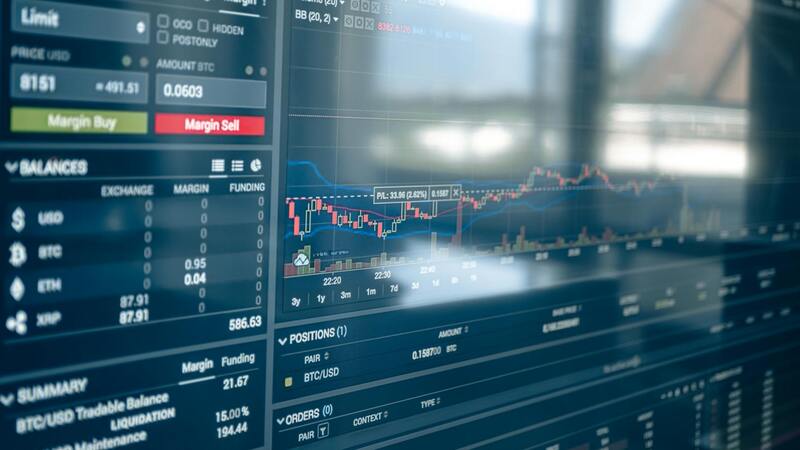
Security measures, including encryption standards, access controls, and multi-factor authentication, are embedded within these systems to protect sensitive data and safeguard trading activities. As technology evolves, systems incorporate AI-driven predictive analytics, automated compliance monitoring, and optimized order routing to stay ahead in the competitive landscape. These features collectively empower forex prop firms to operate with agility, precision, and resilience in a dynamic market environment.
Enhancing Trading Infrastructure with Advanced Risk Management and Automation
TradeTech solutions are integral to modern forex prop trading operations, particularly in optimizing risk management and automation processes. Advanced risk management tools embedded within these platforms enable traders and firm managers to monitor and control exposure effectively. Features such as real-time stop-loss and take-profit orders, dynamic position sizing based on volatility, and scenario analysis facilitate a proactive approach to risk mitigation.
Automation capabilities are pivotal in streamlining execution and minimizing human error. Automated order routing ensures that trades are executed at optimal prices and speeds, adhering to pre-set strategies and risk parameters. Algorithms designed for trade entry and exit can respond instantaneously to market movements, allowing firms to capitalize on fleeting opportunities while maintaining disciplined trading practices.

Integrating these solutions with robust monitoring systems allows for continuous oversight of trading activities, compliance adherence, and real-time alerts for any anomalies or breaches. This integration supports transparency and ensures adherence to trading policies, which is critical for maintaining trust and operational integrity within forex prop firms.
Seamless Integration and Data Connectivity
TradeTech solutions emphasize seamless integration with various trading platforms, data feeds, and analytical tools. By establishing interoperability between multiple systems, firms can enhance their trading capabilities, access diverse market data, and customize workflows to fit specific operational needs. API connectivity plays a vital role in enabling such integrations, offering flexibility and scalability in deploying new tools or expanding existing infrastructure.
Moreover, centralized data repositories facilitate access to historical and real-time data, supporting backtesting strategies, performance analysis, and continuous improvement. These data-driven insights are crucial for making informed decisions and adjusting trading strategies in response to evolving market conditions.
Security and Compliance in TradeTech Environments
Maintaining the security and integrity of trading operations is fundamental. Advanced encryption protocols, multi-factor authentication, and granular access controls protect sensitive financial data and proprietary trading algorithms. Regular audits and compliance checks embedded within the systems help ensure adherence to trading standards and mitigate potential vulnerabilities.
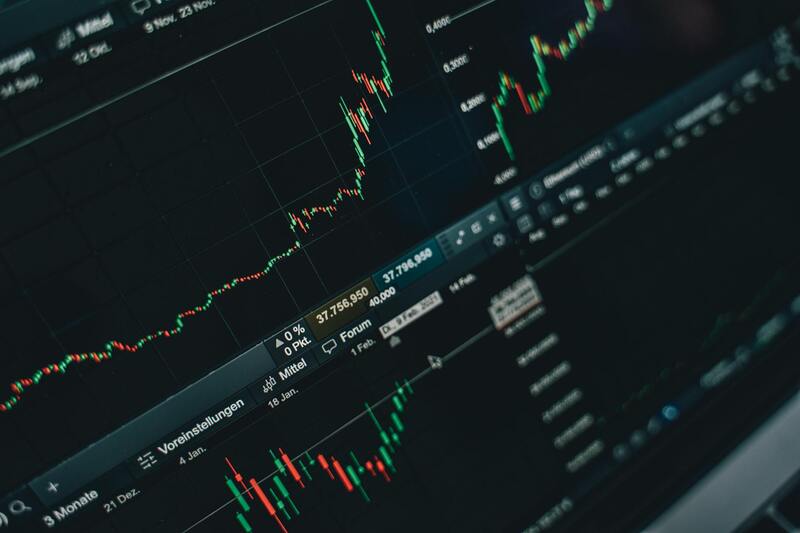
As technological innovations continue to evolve, platforms incorporate AI-driven compliance monitoring that helps detect suspicious activities or irregularities, thereby reinforcing operational safeguards. Scalability remains a key consideration, ensuring that technological infrastructure can adapt to increased data loads, global market access, and emerging asset classes without compromising performance or security.
Security Protocols and Data Protection in TradeTech Solutions for Forex Prop Firms
Implementing robust security measures is essential for safeguarding sensitive trading data and proprietary algorithms within forex prop trading environments. Advanced encryption protocols secure data at rest and in transit, preventing unauthorized access and ensuring confidentiality during data exchanges between trading platforms, data servers, and user interfaces.
Multi-factor authentication (MFA) adds an additional layer of security by requiring users to verify their identities through multiple verification steps, such as biometric data, one-time passwords, or hardware tokens. This approach significantly reduces the risk of unauthorized account access, especially for traders and administrators handling critical operations.
Granular access controls ensure that different user roles are assigned specific permissions aligned with their responsibilities. For example, traders may have access limited to executing trades and viewing positions, while compliance teams can access audit logs and enforcement tools. This segregation minimizes the threat of insider threats and accidental breaches.

Regular security audits and vulnerability assessments are integrated into the operational workflow, identifying potential weaknesses before they are exploited. Continuous monitoring for unusual activity or anomalous trading behaviors helps detect and mitigate risks preemptively.
Compliance monitoring tools embedded within TradeTech systems utilize AI-driven algorithms to scan for irregularities, such as potential manipulative practices or suspicious transaction patterns. These tools support adherence to market standards and help uphold transparent and fair trading practices.
Scalability is a cornerstone of effective TradeTech solutions. As trading volumes grow, platforms must dynamically allocate resources to handle increased data loads, executing trades across multiple asset classes and markets without performance degradation. Cloud-based infrastructures facilitate this scalability, offering flexible storage, processing power, and disaster recovery capabilities.
Furthermore, integrating technological innovations like machine learning and big data analytics enables firms to enhance forecast accuracy, risk management, and strategic decision-making. Automation of routine compliance and security checks reduces manual workload and accelerates response times to emerging threats.
Image placeholders
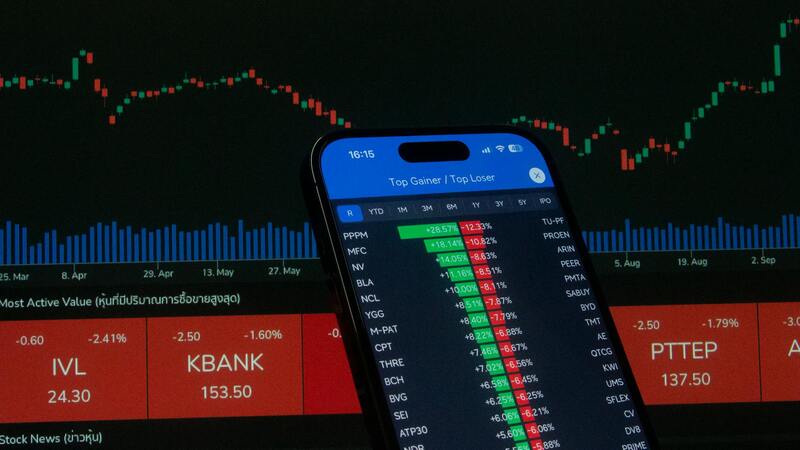
Security and Risk Management in TradeTech Solutions for Forex Prop Firms
Implementing rigorous security protocols is vital for maintaining the integrity of trading operations within forex prop firms utilizing TradeTech solutions. These systems are designed with multiple layers of protection to prevent unauthorized access, data breaches, and operational disruptions. Encryption protocols guard sensitive client information and transactional data, ensuring that evolving cyber threats are mitigated effectively. Multi-factor authentication adds an additional layer of security for user access, reducing the risk of internal and external breaches.
TradeTech solutions also incorporate comprehensive risk management features. Automated real-time monitoring enables traders and compliance teams to detect suspicious behavior swiftly. Pre-set risk parameters can be enforced across trading accounts, preventing over-leverage and excessive exposure that could jeopardize the firm's financial stability. Risk dashboards compile data from various sources, providing a centralized view of trading activities, exposure levels, and potential vulnerabilities.
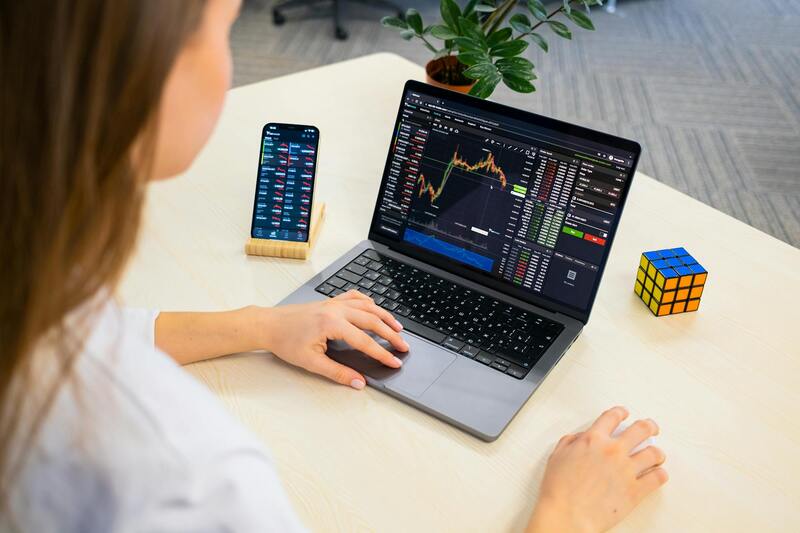
Regular vulnerability assessments are an integral part of a proactive security strategy in TradeTech frameworks. These assessments identify potential entry points for cyber attacks and operational weaknesses, allowing for timely remediation. Intrusion detection systems and anomaly detection tools continuously scan trading environments, flagging irregular activities that could indicate security breaches or internal misconduct.
Moreover, compliance monitoring programs embedded in TradeTech platforms help ensure adherence to trading standards, client protection protocols, and market regulations. AI-driven algorithms scrutinize transaction patterns and trading behaviors to identify manipulative or suspicious activities, reducing the likelihood of misconduct and maintaining market integrity.
Disaster recovery and business continuity plans are also embedded within advanced TradeTech systems, enabling firms to recover quickly from operational disruptions such as system failures or cyber attacks. Cloud-based infrastructures contribute significantly to these efforts by offering scalable, resilient storage and processing capabilities, facilitating seamless trading even during high-volume periods.
Enhancing Process Efficiency and Analytical Capabilities
TradeTech solutions leverage big data analytics and machine learning to optimize trading strategies and operational workflows. By analyzing historical and real-time data, these systems enable more accurate forecasting, better risk assessment, and strategic decision-making. Automated compliance checks reduce manual workloads, ensuring quicker response times to any suspicious activity or regulatory changes.
The integration of API-driven connectivity allows firms to expand their trading ecosystem, linking with external data providers, liquidity venues, and other technological services. This interconnectedness enhances operational agility and fosters innovation in trading approaches.

Starting and Running a Forex Prop Firm with TradeTech
Establishing and managing a forex proprietary trading firm requires a strategic approach to technology integration, capital management, and operational oversight. TradeTech solutions serve as a cornerstone in this process, providing the tools necessary to build a robust and efficient trading environment. Selecting the right technological infrastructure enables firms to streamline their trading activities, mitigate risks, and maintain high levels of compliance. Implementing a comprehensive TradeTech platform involves several key steps. Initially, firms must evaluate the core functionalities needed—such as advanced order execution, risk management tools, and real-time analytics. The selection process should prioritize systems that are scalable and customizable to adapt to evolving trading strategies and regulatory landscapes. Once the appropriate platforms are chosen, integration with existing financial data feeds, liquidity providers, and brokerage APIs ensures a seamless trading experience. Automation plays a vital role in optimizing trade execution, managing positions, and monitoring risk thresholds without requiring constant manual intervention. This enables traders to respond swiftly to market movements, which is essential in the high-volatility environment of forex. Fundraising also hinges on the effectiveness of TradeTech solutions. Many firms leverage these technologies to demonstrate operational readiness and risk controls to prospective investors or funding partners. Transparent reporting and audit trails created by advanced systems bolster confidence and foster sustainable growth. Operational management extends beyond technology deployment. Continuous staff training on the functionalities of the TradeTech systems maximizes efficiency and minimizes errors. Regular updates and cybersecurity protocols are crucial, considering the sensitive nature of financial data and the pervasive threat of cyber attacks. Additionally, firms must establish clear procedures for client onboarding, internal compliance checks, and trade verification, all of which are supported through integrated TradeTech modules. These processes ensure adherence to strict trading standards and help establish a reputable operational footprint within the forex market. A focused approach to infrastructure setup, combined with rigorous risk assessment and compliance measures, forms the backbone of successful forex prop trading operations. With reliable TradeTech solutions, firms can elevate their trading performance, strengthen client trust, and position themselves as resilient players in the dynamic forex landscape.
Challenges and Considerations in Implementing TradeTech Solutions
Implementing TradeTech solutions within forex proprietary trading operations involves navigating a complex landscape of technical, operational, and strategic challenges. Ensuring seamless integration with existing infrastructure is paramount, requiring meticulous planning and execution. The compatibility of new systems with current trading platforms, risk management tools, and back-office operations must be thoroughly evaluated to prevent disruptions and maintain operational continuity.
Data security and cybersecurity form critical components of TradeTech deployment. Financial data and client information are highly sensitive, necessitating robust encryption, multi-layered security protocols, and regular vulnerability assessments. Firms must establish comprehensive cybersecurity policies to mitigate risks associated with cyber threats and data breaches, which can compromise operational integrity and client trust.
Another significant consideration revolves around regulatory compliance. TradeTech solutions should support transparent reporting, audit trails, and compliance checks aligned with industry standards and local regulations. Automating these processes reduces manual workload, minimizes errors, and reinforces adherence to trading standards, ultimately bolstering credibility in the marketplace.
Training and change management also pose challenges. Staff need thorough education on new systems, operational procedures, and troubleshooting protocols. Effective training programs facilitate smooth transitions, maximize system utilization, and reduce user errors. Additionally, fostering a culture that embraces technological advancements ensures continual improvement and adaptation in a competitive environment.

Scaling TradeTech solutions involves thoughtful resource allocation. As firms expand, they must ensure that their technological infrastructure can handle increased transaction volumes, data loads, and user access without experiencing lags or failures. Cloud-native architectures and modular platform designs often provide scalable solutions that grow with business needs.
Monitoring and maintaining the performance of TradeTech systems are continuous processes. Regular updates, patches, and system health checks are vital to prevent obsolescence and security vulnerabilities. Employing proactive monitoring tools helps identify issues early, minimizing downtime and preserving operational excellence.
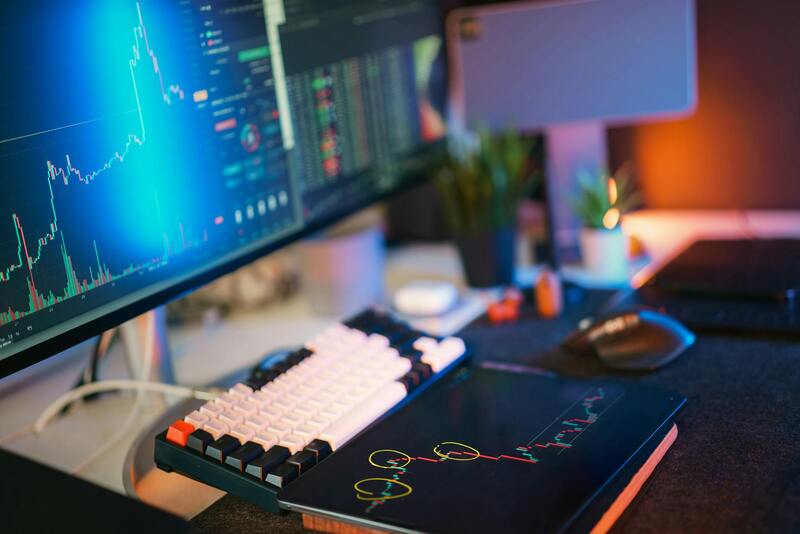
In sum, while TradeTech solutions are instrumental in optimizing forex prop trading operations, their successful deployment depends on addressing technical integration, security integrity, regulatory compliance, and ongoing staff development. Firms that proactively manage these areas position themselves for resilient growth and competitive advantage within the fast-paced forex market.
Advanced Technologies and Innovations in TradeTech for Forex Prop Trading Firms
As forex proprietary trading firms continue to evolve, integrating cutting-edge technological innovations becomes increasingly vital. These advancements directly influence trading efficiency, risk management, and overall operational resilience. Embracing emerging tools such as artificial intelligence (AI), machine learning (ML), and big data analytics enhances decision-making capabilities, allowing firms to anticipate market movements more accurately and react swiftly. AI-driven algorithms facilitate pattern recognition and predictive analysis, offering traders a strategic edge in high-frequency and discretionary trading environments.

Automation plays a pivotal role in streamlining repetitive processes, minimizing human error, and ensuring consistent compliance with trading protocols. Intelligent trade execution systems auto-adjust order placements based on real-time analysis, significantly reducing latency and execution slippage. Furthermore, integrating advanced analytics into platform interfaces equips traders and risk managers with comprehensive insights, empowering proactive decision making.
Blockchain technology is also gaining traction within the TradeTech landscape, especially for secure transaction recording and transparent audit trails. Distributed ledger systems provide immutable records of trading activities, heightening transparency and accountability. These innovations collectively foster a more agile, adaptive, and secure trading environment—crucial for maintaining a competitive edge in the dynamic foreign exchange market.
Impact of Regulatory Technology (RegTech) on TradeTech Integration
While focusing on innovative solutions, firms must also prioritize regulatory compliance through RegTech integration. Automated compliance checks, real-time reporting, and transaction monitoring systems facilitate adherence to evolving trade standards and customer verification processes. Deploying RegTech tools within TradeTech infrastructure ensures that operations remain compliant without sacrificing speed or efficiency, thereby preventing potential disruptions and penalties.
Data Security and Cybersecurity in TradeTech Frameworks
Increased reliance on digital solutions necessitates robust cybersecurity measures. Encryption protocols, multi-factor authentication, and intrusion detection systems safeguard sensitive financial data and prevent unauthorized access. Regular security audits, staff training, and incident response strategies are indispensable for maintaining a secure trading ecosystem. As technology advances, staying ahead of emerging cyber threats ensures the integrity and stability of forex prop trading operations.
Customization and Scalability of TradeTech Solutions
Firms increasingly seek tailored TradeTech solutions that align with their strategic objectives and operational size. Modular platform designs facilitate customization, allowing firms to add new features or integrate third-party tools seamlessly. Scalability considerations involve ensuring that technological infrastructure can handle increased trading volumes, expanded user bases, and data streams as firms grow. Cloud-based solutions offer flexible resource allocation, enabling firms to scale efficiently while controlling costs.

Implementation Best Practices for TradeTech Systems
Successful deployment hinges on meticulous planning and collaborative execution. Clear goal-setting, comprehensive testing phases, and stakeholder involvement ensure that technological integrations align with operational needs. Emphasizing staff training minimizes disruptions and enhances user adoption. Continuous system evaluation and feedback loops enable ongoing improvements, ensuring the TradeTech ecosystem remains responsive and resilient amidst market shifts.
Moreover, establishing strong vendor relationships and leveraging industry expertise can assist in selecting appropriate solutions and navigating implementation complexities. Regularly updating systems ensures compatibility with latest standards, security patches, and technological innovations, maintaining optimal performance and safeguarding assets.