Overview of Prop Trading Firms and Their Structures
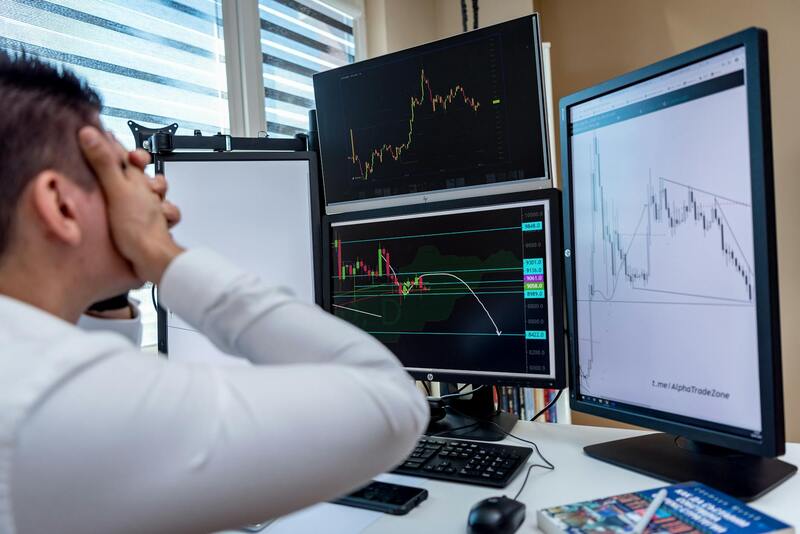
Proprietary trading firms, commonly known as prop trading firms, play a crucial role in the global forex trading ecosystem. These organizations utilize their own capital to trade financial markets, aiming to generate profits through strategic trading activities. Unlike retail forex traders who rely on personal funds, traders within prop firms access a structured environment that offers advanced tools, capital allocation, and professional support. This setup allows traders to focus on executing innovative trading strategies without the constraints of personal financial risk.
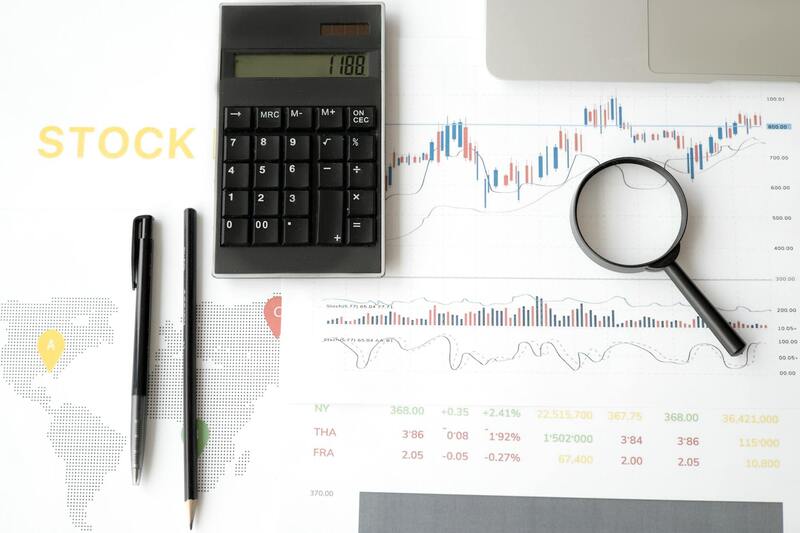
Prop trading firms often operate on specific business models designed to optimize both trader performance and risk management. The two primary structures include funded accounts and challenge or trading simulations. Funded accounts provide selected traders with a predetermined amount of capital to trade live markets, where profits are shared according to contractual agreements. Challenge models, on the other hand, involve traders going through a rigorous testing process—demonstrating consistent profitability and risk management skills—before gaining access to trading capital. Such structures enable firms to identify talented traders and allocate resources efficiently, creating a mutually beneficial environment.

Common Models within Prop Trading Firms
- Funded Account Model: Traders operate with firm capital, sharing a portion of the profits. This model emphasizes trust in trader skill and risk management, often supported by advanced proprietary trading platforms.
- Challenge or Evaluation Model: Candidates undergo a series of trading challenges or simulations to prove their ability to trade profitably within specified risk parameters. Success leads to funding opportunities.
- Hybrid Structures: Combining evaluation phases with immediate access to capital post-assessment, offering flexibility for talented traders to start trading with minimal delay.
These distinct structures address different trader profiles, strategies, and risk appetite, enabling prop firms to tailor their recruitment and operational strategies effectively. By leveraging sophisticated evaluation metrics and capital allocation mechanisms, prop firms facilitate an environment where skilled traders can thrive and contribute to the firm's overall profit objectives.
Core Technologies Used in Forex Prop Trading
Prop trading firms rely heavily on advanced technological infrastructures to optimize trading performance, manage risks effectively, and streamline operations. The backbone of these technological systems encompasses a suite of specialized software and hardware tools designed for high-frequency trading, secure data handling, and efficient risk controls.
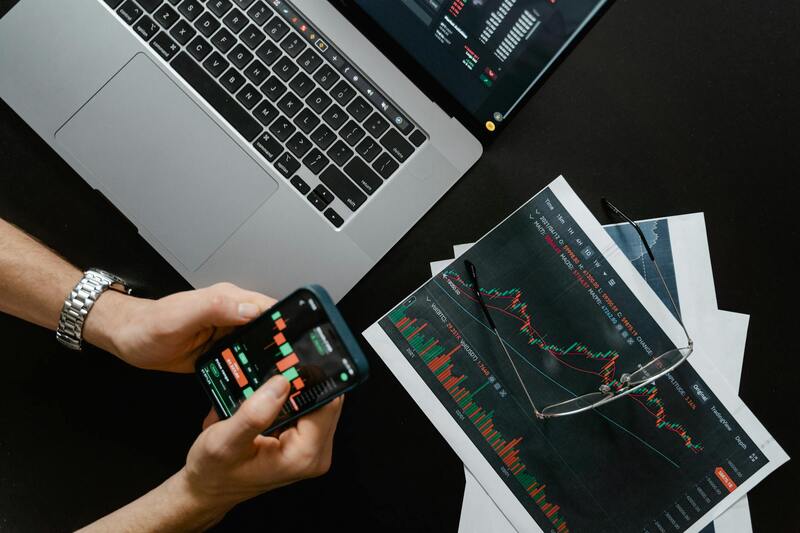
Key components include proprietary trading platforms that are tailored to the firm’s specific trading strategies. These platforms provide real-time market data, advanced charting tools, and order execution capabilities, often integrating directly with liquidity providers to minimize latency. The use of automation and algorithmic trading systems enables traders to execute complex strategies with precision and speed that surpasses manual trading capabilities.
Beyond trading software, robust risk management systems are integral to a prop firm’s success. These systems monitor trading activities constantly, identifying potential losses or margin breaches in real-time. They automatically trigger stop-loss orders or trading limits when predefined thresholds are approached, ensuring risk exposure remains within acceptable bounds. In addition, these tools facilitate performance analytics, allowing firms to evaluate traders' activities and refine their strategies continuously.

Data security and infrastructure resilience are also prioritized by prop firms. Using secure servers, encrypted communications, and redundant data storage guarantees the safety of sensitive client and firm data, preventing disruptions or breaches. Cloud-based solutions are increasingly adopted for their scalability, flexibility, and remote access capabilities, which are vital for modern trading environments that demand 24/7 uptime and global connectivity.
Automation extends to back-office functions such as compliance monitoring, report generation, and account management. This integration reduces operational costs, enhances accuracy, and ensures quick response times. Artificial intelligence and machine learning algorithms are starting to play a transformative role by analyzing large volumes of market data to identify trading signals, assess trading behavior, and automate decision-making processes.
High-performance hardware components, including low-latency connectivity, powerful servers, and high-speed data feeds, are essential for executing trades efficiently in a competitive environment. Upgrading these systems regularly allows prop firms to stay ahead of technological advancements and adapt to changing market conditions seamlessly.

Ultimately, the integration of these core technologies creates a comprehensive ecosystem that supports traders' needs while safeguarding the firm's assets. This strategic deployment ensures that the firm remains agile, competitive, and capable of capitalizing on emerging market opportunities while maintaining rigorous risk management standards.
Role of Prop Technologies in Funded Account Management
Prop technologies are integral to the effective management of funded accounts within forex proprietary trading firms. These technological solutions provide a sophisticated infrastructure that ensures seamless account monitoring, efficient risk management, and real-time data analysis. Advanced trading management platforms enable traders and administrators to oversee multiple accounts simultaneously, track performance metrics, and implement automated risk controls. This proactive oversight minimizes exposure to significant losses and maintains the firm's financial stability.
Automation tools play a vital role in enforcing trading rules and compliance standards. For example, real-time alerts can notify risk managers of unusual trading activity, potential breaches of trading limits, or deviations from predefined strategies. Such mechanisms help in promptly addressing any discrepancies before they escalate, preserving the integrity of funded accounts.
Funded account management also benefits from sophisticated reporting and analytics capabilities. These tools generate detailed performance reports, offering insights into individual traders' strengths and weaknesses. Asset allocation and diversification are optimized based on data-driven analysis, enhancing overall portfolio robustness. Moreover, integration with back-office systems streamlines administrative processes like profit sharing, fee calculations, and payout management.
Security remains a paramount concern, especially since funded accounts contain substantial capital. Prop technologies incorporate multi-layered security protocols, including encryption, multi-factor authentication, and access controls, to safeguard sensitive information and prevent unauthorized access. Ensuring the integrity of trading environments with these technologies helps maintain trust and operational continuity.

Starting and Operating a Forex Prop Firm
Launching a successful forex prop firm involves a strategic blend of technological infrastructure, regulatory compliance, and operational expertise. In the initial stages, establishing a robust IT environment equipped with high-performance trading platforms and secure data servers is essential. These systems enable the firm to support traders effectively and manage large volumes of market data without latency issues.
Operational efficiency is enhanced through the deployment of integrated software suites that handle client onboarding, risk assessment, trading supervision, and performance analytics. Employing automation in these processes reduces manual errors and increases scalability. For example, automated KYC (Know Your Customer) procedures and AML (Anti-Money Laundering) checks streamline compliance, expediting account approval times.
To ensure long-term competitiveness, continuous technological upgrades are necessary. This includes adopting cutting-edge trading systems, leveraging AI-powered analytics for market insights, and implementing cloud-based solutions for flexibility and remote management. Security measures such as firewalls, intrusion detection systems, and secure data encryption protocols form a critical part of operations, protecting both client funds and sensitive information.
Operational transparency and adherence to industry standards are foundational to sustainable growth. Regular audits, robust risk management protocols, and clear communication channels foster trust among traders, investors, and partners.
Role of Prop Technologies in Funded Account Management
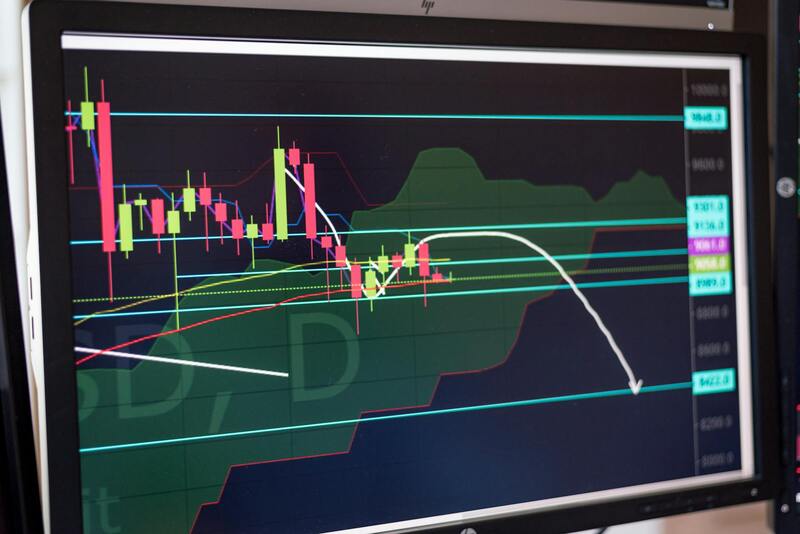
Modern prop trading firms heavily rely on advanced technological solutions to streamline the management of funded accounts. These prop technologies provide a sophisticated framework that allows for instantaneous account funding, dynamic performance tracking, and efficient risk controls.
One of the core capabilities of these systems is instant funding, which ensures that traders can begin trading immediately after passing the evaluation process. This rapid onboarding process is enabled through automated verification procedures and digital fund transfers that minimize manual intervention, reducing delays and increasing client satisfaction.
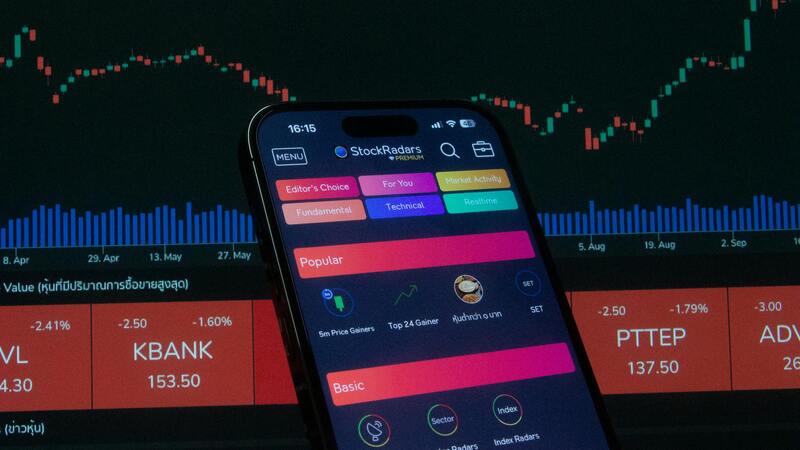
Real-time monitoring of trading activity is another essential feature. Prop technologies incorporate highly responsive dashboards that display live data on each trader’s performance, including profit-loss records, position sizes, and risk exposure. These real-time insights are crucial for both traders and firm managers to make quick, informed decisions that mitigate potential losses and optimize profitable strategies.
Performance analytics tools integrated into these platforms enable in-depth review of traders' actions over various periods. These analytics help identify strengths and weaknesses in trading approaches, allowing traders to refine their strategies. Moreover, they assist prop firms in setting tailored risk management protocols by analyzing historical trading patterns, thereby fostering a disciplined trading environment.
Secure and automated compliance checks are embedded within these systems to ensure adherence to risk limits and regulatory standards. Automated alerts notify management of any suspicious or non-compliant trading activity, facilitating swift intervention when necessary. This integration helps maintain the integrity of the trading environment while protecting the firm’s capital and reputation.
Furthermore, advanced prop technologies often incorporate AI-driven predictive analytics that forecast market trends based on vast datasets. These insights empower traders with data-driven strategies and better market timing, improving overall profitability. Automated trade execution, combined with risk control measures such as stop-loss and take-profit orders, ensures that trading strategies are executed precisely and within predefined risk parameters.
All these technological features collectively enhance the operational efficiency of prop firms, reduce manual workload, and foster a transparent, robust environment for traders. As technology continues to evolve, so will the capabilities of prop trading systems, paving the way for even more innovative solutions in funded account management.
Role of Prop Technologies in Funded Account Management
Prop technologies serve as the backbone of effective funded account management, transforming traditional trading practices into highly automated, data-driven processes. These advanced systems enable prop firms to monitor, evaluate, and optimize traders' performance continuously, ensuring they adhere to set risk limits while maximizing profitability. Automated compliance systems, built into many prop technology platforms, run real-time checks to flag any trading activities that deviate from the firm's risk parameters. These alerts prompt immediate review, helping to prevent potential losses stemming from impulsive decisions or unauthorized trading strategies.

In addition, these platforms often integrate sophisticated analytics, including AI-powered predictive models that analyze vast market datasets to forecast future price movements. Traders benefit from such insights by adjusting their strategies based on predicted trends, thereby gaining a competitive edge. Automated trade execution tools further streamline the process, allowing for precision timing that adheres to predefined risk constraints. This reduces emotional trading biases and ensures consistent application of trading strategies across different market conditions.
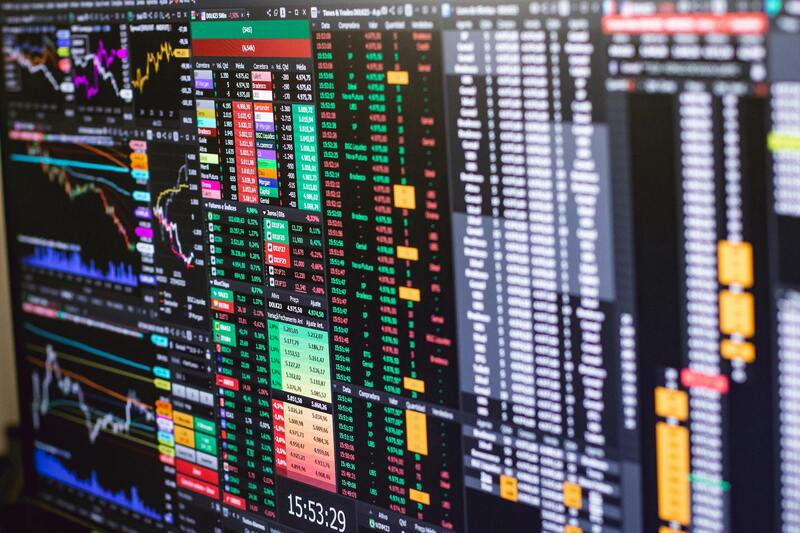
Another critical aspect of prop technologies is their ability to provide comprehensive reporting and performance tracking. Managers can access detailed dashboards that display real-time metrics such as drawdowns, profitability, and individual trader performance. This transparency facilitates better decision-making, encourages accountability, and enables targeted coaching to improve trading results. Moreover, seamless integration of these systems with secure data storage and communication protocols ensures that sensitive information remains protected, while operational efficiency is maintained.
Many prop firms are now adopting cloud-based solutions that offer scalability and flexibility, accommodating growth without sacrificing system speed or security. These platforms often incorporate multi-factor authentication and encryption standards that safeguard against cyber threats, reinforcing the overall integrity of the trading environment. Proprietary algorithms that automate risk assessments and position sizing are also embedded in these systems, supporting traders in managing their exposure effectively. As such, prop technologies not only streamline operations but also elevate the risk management framework crucial for sustaining long-term profits.
Role of Prop Technologies in Funded Account Management
Prop technologies form the backbone of contemporary funded account management within forex trading firms. These systems are designed to provide traders and managers with advanced tools that facilitate efficient monitoring, risk mitigation, and performance optimization. One of the primary functionalities of prop technologies is their ability to automate trade execution and risk controls, ensuring that trades are aligned with predefined parameters set by the firm. Automation reduces human error, enforces disciplined trading practices, and allows for swift response to market movements.
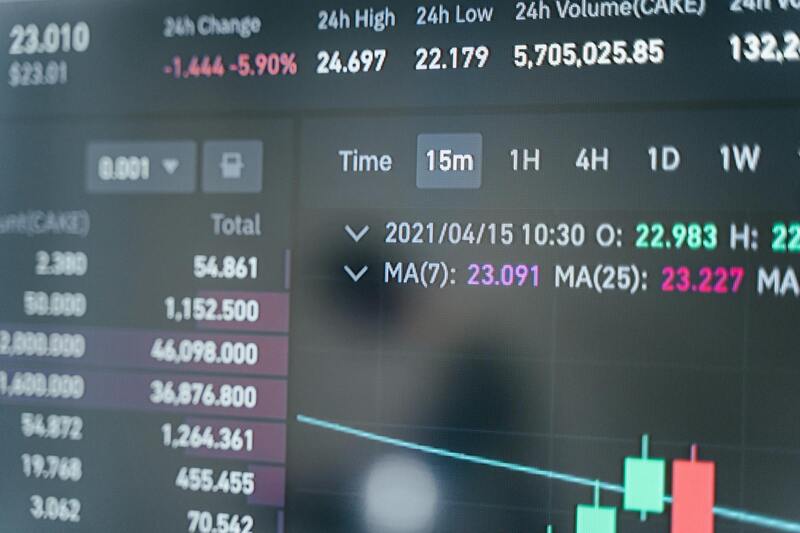
For instance, sophisticated trading platforms integrate real-time data analytics and algorithmic decision-making capabilities. They help managers monitor multiple accounts simultaneously, each with unique strategies, risk levels, and performance metrics. These platforms enable instant adjustments to risk exposure when market volatility spikes, protecting firms from substantial drawdowns. Managers can also set dynamic alerts that notify them of abnormal trading activity or breaches of risk thresholds, improving responsiveness and safeguarding assets.

Enhanced reporting features are a hallmark of modern prop systems, offering detailed insights into trading behaviors, profit and loss, and compliance adherence. Data aggregation from multiple sources creates comprehensive analytics reports that inform strategic decisions and performance assessments. These tools enable managers to spot patterns, identify strengths, and address weaknesses within their trading teams efficiently.
Moreover, integration with secure communication channels ensures that sensitive trading data is protected against cyber threats and unauthorized access. Encrypted data transfer and multi-factor authentication protocols reinforce these security measures. Cloud-based solutions, increasingly prevalent in the industry, offer scalability and resilience, allowing firms to expand their operations seamlessly while maintaining high security standards.
Advanced prop technologies also incorporate proprietary algorithms for predictive analysis and automated risk assessment. These algorithms assess current market conditions, trader behavior, and historical performance data to recommend optimal position sizing and risk allocation. In doing so, they help traders maintain consistency and avoid excessive risk, which is paramount in maintaining a profitable and sustainable trading environment.
Through these technological innovations, prop firms can enhance overall operational efficiency, improve compliance, and safeguard assets—all while maintaining the agility required to adapt swiftly to evolving market dynamics. This results in a more controlled environment that sustains profitability and supports traders in achieving their performance goals, reinforcing the importance of cutting-edge prop technologies in modern forex trading ecosystems.
Role of Prop Technologies in Funded Account Management
Prop technologies have revolutionized the way funded accounts are managed within forex prop firms, enabling more precise, efficient, and secure trading operations. These technologies facilitate real-time monitoring of trader activity, ensuring adherence to predefined risk parameters and trading rules. Sophisticated platforms integrate automated compliance checks, alert systems, and detailed reporting tools, which provide traders and managers with actionable insights continuously. This level of oversight reduces instances of non-compliant trading behaviors and helps maintain consistency in trading strategies.
One of the critical contributions of prop technologies is the development of dynamic risk management systems. These systems analyze market data alongside trader behavior patterns to dynamically adjust risk exposure, ensuring that each trade aligns with the firm’s overall risk appetite. Such adaptive risk controls prevent over-leverage and excessive drawdowns, safeguarding the funded capital while simultaneously allowing traders to operate with flexibility within set boundaries.
Furthermore, data analytics and performance tracking embedded in prop platforms support ongoing skill development and performance optimization. Managers can review detailed trade histories, identify strengths and weaknesses, and tailor training programs accordingly. This data-driven approach ensures that traders improve steadily over time, fostering a culture of accountability and continuous improvement.
From a technological standpoint, integration with machine learning models allows these systems to predict market movements and provide traders with actionable signals. Trend detection algorithms and sentiment analysis tools help traders make informed decisions based on a broad spectrum of market indicators, significantly reducing uncertainty and enhancing profitability potential.
Additionally, secure communication protocols and encrypted data transmission secure sensitive trade data from cyber threats. Multi-factor authentication and role-based access controls ensure only authorized personnel can access or modify critical information, reinforcing the integrity of the operation. Cloud-based solutions provide scalability to handle increased trading volume and facilitate seamless data sharing across multiple locations, making remote work and team collaboration more efficient.
Overall, the deployment of advanced prop technologies in funded account management supports efficient, compliant, and resilient trading environments. This integration of innovative tools empowers traders to execute strategies with confidence, ultimately leading to improved performance, reduced operational risk, and sustained profitability within the competitive forex trading landscape.
Security and Regulatory Considerations for Prop Technologies
As the adoption of sophisticated prop trading technologies advances, security measures become central to maintaining operational integrity and protecting sensitive financial data. In high-stakes forex trading environments, robust cybersecurity protocols mitigate risks related to data breaches, unauthorized access, and cyberattacks. Encrypted data transmission, multi-factor authentication, and role-based access controls are standard protective layers implemented within prop technology infrastructures. These measures ensure that trader information, proprietary algorithms, and transactional data remain confidential and tamper-proof, fostering trust among stakeholders.
On the regulatory front, adhering to established frameworks and industry standards is fundamental in maintaining compliant operations. While specific compliance requirements may vary across jurisdictions, best practices include implementing transparent audit trails, maintaining detailed records of trading activities, and verifying the identities of traders and personnel involved in the trading process. Monitoring and updating systems to align with evolving compliance directives safeguard firms from inadvertent violations and foster a transparent operational environment.
Additionally, it is vital for prop firms to perform regular security assessments and penetration testing to identify and remediate vulnerabilities proactively. Investing in comprehensive cybersecurity insurance provides an added layer of protection against potential financial damages resulting from security breaches. Maintaining compliance does not only protect the firm from regulatory issues but also enhances its reputation among traders and institutional partners, demonstrating a commitment to security and integrity.
From a technological perspective, integrating AI-driven threat detection systems enables real-time identification of suspicious activities or anomalies, allowing for swift corrective actions. Continuous staff training on security protocols and data handling best practices ensures that everyone involved is aware of potential threats and understands their role in safeguarding the platform. Overall, a proactive approach combining advanced technology, regulatory adherence, and ongoing vigilance forms the cornerstone of a secure, reliable, and reputable prop trading operation in today’s dynamic forex landscape.