Overview of Forex Proprietary Trading Firms
Forex proprietary trading firms, commonly known as forex prop firms, operate as specialized entities within the foreign exchange industry, focusing on trading using their own capital or capital provided by investors. Unlike individual traders who utilize personal funds, these firms leverage large pools of capital to execute trading strategies across various currency pairs. Their primary objective is to generate profit from market movements while managing risk effectively.
Forex prop firms serve as a bridge between experienced traders and sizable trading accounts, providing traders with the necessary resources, infrastructure, and technological tools to maximize their trading potential. This structure fosters an environment where skilled traders can operate efficiently, without the constraints of traditional capital limitations, while the firms benefit from the collective performance of their trading teams.

Fundamentally, forex prop firms operate by setting trading parameters, risk management guidelines, and profit-sharing arrangements that align the interests of traders and the firm. They often employ rigorous evaluation processes, such as trading challenges or probation periods, to identify and onboard talented traders. Once established, these firms support their traders through advanced trading platforms, analytics, and data-driven decision-making tools, all of which are implemented through sophisticated trade tech solutions.
Operating within regulatory frameworks and industry standards, forex prop firms have become a vital part of the trading ecosystem, enabling top-tier traders to utilize cutting-edge tools and capitalize on market opportunities efficiently. Their success heavily depends on the integration of robust technological systems that facilitate smooth trading operations, risk monitoring, and strategic analysis, making trade tech solutions an indispensable component of their business model.
Role of Technology in Forex Prop Trading
Technology forms the backbone of modern forex proprietary trading operations. It enhances trading efficiency, ensures risk controls are adhered to, and provides insights that can significantly improve decision-making processes. Advanced trade tech solutions empower traders and firms alike with real-time analytics, automated trading capabilities, and seamless execution across multiple platforms. These technological advancements are pivotal in maintaining a competitive edge in the fast-paced forex environment.
Implementing state-of-the-art trading platforms allows traders to access deep liquidity pools, execute complex strategies, and monitor market conditions with precision. Automated trading systems, or algorithms, reduce human error and can operate continuously, taking advantage of fleeting market opportunities. Such systems are customizable and can be programmed to follow specific trading rules, thus maintaining consistency tailored to individual or firm-wide strategies.
Risk management tools embedded within trading software help monitor exposure limits, enforce stop-loss orders, and analyze potential risks. These features are critical in safeguarding capital and maintaining regulatory compliance. In addition, comprehensive backtesting environments within trade tech solutions enable traders to refine strategies using historical data, providing insights into potential performance before deploying real capital.
The integration of data-driven decision-making tools further enhances the efficacy of trading strategies. By leveraging vast datasets, forex prop firms can identify market trends, sentiment shifts, and trading opportunities more accurately. Machine learning and artificial intelligence are increasingly being incorporated into trade tech solutions to automate pattern recognition, predictive analysis, and adaptive strategy adjustments.
Security measures embedded in trading infrastructure also play a vital role. Multi-factor authentication, encryption, and secure servers protect sensitive financial data and uphold uninterrupted trading activities. This security is essential not only for protecting assets but also for maintaining the trust of traders and investors involved in the firm.
Key Components of Trade Tech Solutions
- Trading Platforms: User-friendly interfaces with customizable tools fulfilling various trading styles.
- Execution Engines: Fast, reliable order execution systems minimizing slippage and latency. li> Risk Management Modules: Automated checks and controls to enforce risk parameters and limit potential losses.
- Analytics and Data Visualization: Real-time charts, heat maps, and statistical reports for strategic insights.
- Automation Capabilities: Algorithms and bots that execute pre-defined trading rules without manual intervention.
- Connectivity and Integration: APIs and protocols that connect trading platforms with liquidity providers and data feeds.
- Security Infrastructure: Robust cybersecurity measures protecting trading assets and sensitive information.
Choosing and Implementing Effective Trade Tech Solutions
When selecting trade tech solutions, it is essential for firms to evaluate both their current needs and future growth plans. The technology should be scalable, adaptable, and compatible with various trading instruments and methodologies. Seamless integration with existing infrastructure ensures that traders can operate without disruptions and that strategies are executed with precision.
Firms should prioritize platforms offering comprehensive analytical tools, reliable execution, and strong security features. Additionally, technical support and ongoing updates are crucial in maintaining operational efficiency and keeping up with technological advancements. Implementing a solution also involves staff training to maximize functionalities and ensure compliance with internal risk policies.
Harnessing Technology for Competitive Advantage
Technological superiority allows forex prop firms to capitalize on fleeting market conditions, optimize execution, and manage risk more effectively than competitors relying on outdated or less integrated systems. The continuous evolution of trade tech solutions, including artificial intelligence, big data analytics, and cloud-based platforms, promises to further revolutionize how trading is conducted.
Role of Technology in Forex Prop Trading
Trade technology serves as the backbone of efficient and effective forex proprietary trading. Advanced systems incorporate real-time data processing capabilities that enable traders to react swiftly to market fluctuations, ensuring timely decision-making. Sophisticated analytical tools such as algorithmic trading platforms, charting software, and automated execution engines help traders identify profitable opportunities while managing risk systematically.
Moreover, technology enhances operational efficiency by automating routine tasks such as order entry, position monitoring, and compliance checks. This automation reduces human error and accelerates trade execution, which is critical in the fast-paced forex environment. Through integration with market data feeds, brokers, and liquidity providers, trade tech solutions ensure seamless connectivity and rapid transaction processing, vital for capturing fleeting market movements.
Risk management is significantly bolstered through advanced monitoring systems that provide real-time alerts and analytics on risk exposure. Sophisticated margin management tools, stress testing modules, and scenario analysis allow traders and risk officers to evaluate potential vulnerabilities and adjust positions proactively. In addition, comprehensive reporting features support transparency and regulatory compliance, fostering trust and credibility within the trading operation.

Key Components of Trade Tech Solutions
- Execution Platforms: High-speed trading platforms capable of rapid order placement and execution, often integrated with multiple liquidity sources to ensure best price execution.
- Data Feeds and Market Analytics: Reliable data streams combined with analytical tools that facilitate market analysis and strategy formulation.
- Risk Management Systems: Tools designed to monitor trading activity, calculate exposure, and enforce risk limits in real-time.
- Automation and Algorithmic Trading: Strategies that automatically execute trades based on pre-set criteria, reducing latency and emotional interference.
- Security Infrastructure: Measures including encryption, multi-factor authentication, and intrusion detection to safeguard sensitive data and trading assets.
- Integration Capabilities: Compatibility with various trading instruments, brokers, and back-office systems to enable unified operations.
Starting and Scaling a Forex Prop Firm
Implementing robust trade tech solutions is crucial at every stage of establishing and expanding a forex proprietary trading firm. During the startup phase, selecting scalable and flexible systems lays the foundation for growth. As the firm expands, the technology must evolve to handle increased trading volume, diversified strategies, and additional team members. Cloud-based platforms and modular infrastructure facilitate this scalability, allowing firms to adapt without significant overhauls.

Additionally, training staff on the effective use of implemented technology ensures that traders and risk managers operate at peak efficiency. Maintaining an ongoing dialogue with technology providers can also ensure that the firm remains updated with the latest innovations and security standards, thus maintaining a competitive edge.
Challenges and Solutions in Forex Prop Trading Technology
While implementing trade tech solutions offers substantial benefits, firms often encounter challenges such as integration issues, system latency, and cybersecurity threats. To address these, firms should prioritize solutions with proven compatibility across platforms and comprehensive support from vendors. Investing in high-performance hardware and network infrastructure can minimize latency, ensuring rapid trade execution.
Cybersecurity remains paramount; employing advanced encryption protocols, routine vulnerability assessments, and staff training on security best practices help mitigate risks. Regular updates, patches, and audits reinforce system integrity and protect assets against evolving threats.
Choosing the Best Trade Tech Solutions for Prop Firms
When selecting trade tech solutions, firms must evaluate vendors based on technological robustness, flexibility, support services, and compliance features. A platform’s ability to integrate with existing infrastructure, support various trading strategies, and scale alongside the business is crucial. Transparency in data handling and security procedures also plays a vital role in decision-making.
Future Trends in Forex Prop Trading Technology
The future of trade tech solutions in forex prop trading lies in the integration of artificial intelligence, machine learning algorithms, and big data analytics. These advancements will enable predictive analytics, enhanced automation, and smarter risk management frameworks. Cloud-based systems will continue to grow in popularity, offering scalable, cost-effective solutions that facilitate remote team collaboration and data access from anywhere in the world.
Key Components of Trade Tech Solutions
Effective trade tech solutions are integral to the operational efficiency and strategic success of forex proprietary trading firms. These technologies encompass a range of essential components that work in tandem to enable seamless trading, rigorous risk control, and insightful performance evaluation.
Trading Platforms
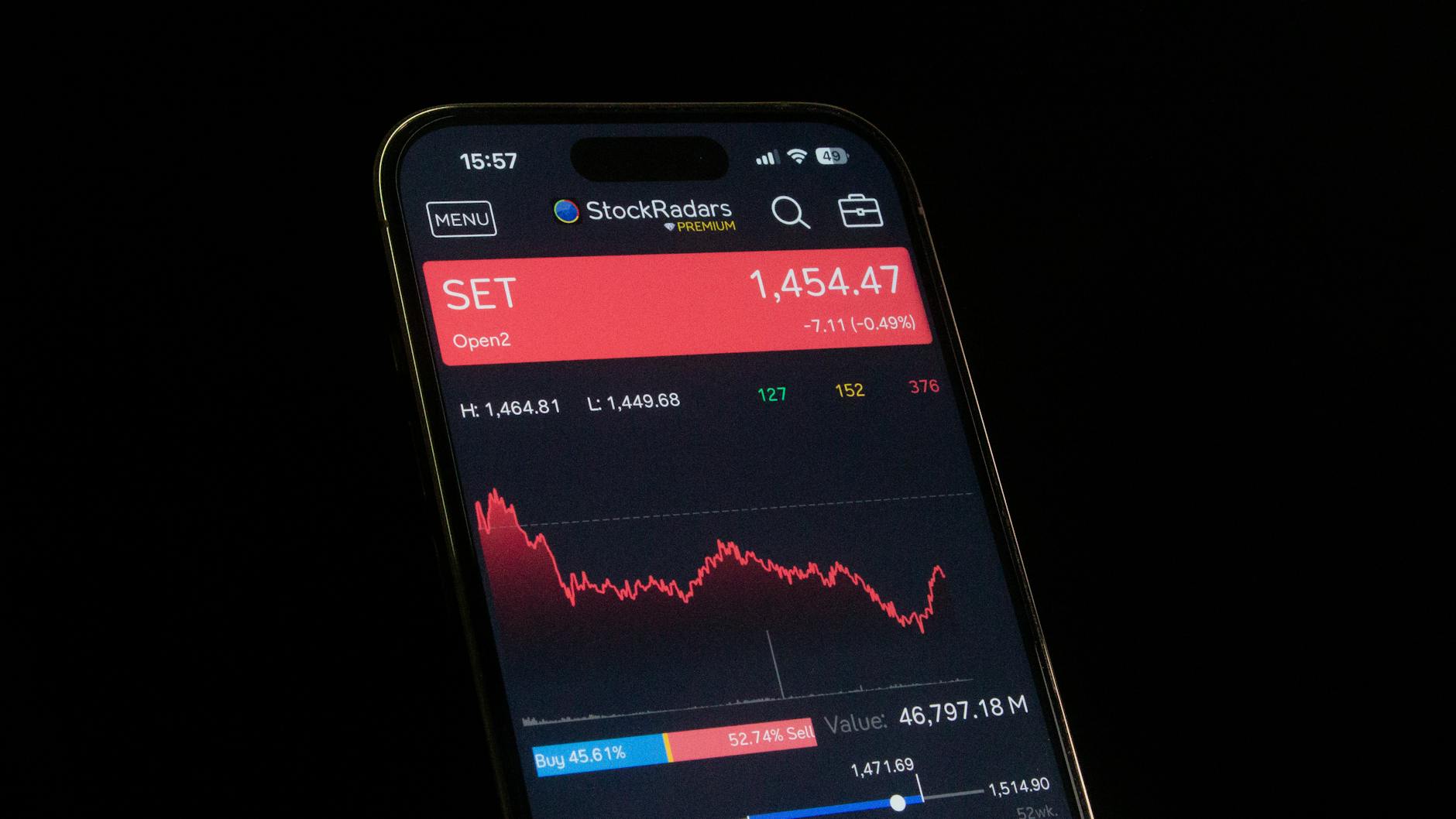
The backbone of any prop trading operation is a robust trading platform that provides real-time market data, order execution capabilities, and customizable interfaces. Advanced platforms often feature multiple order types, automated trading options, and extensive charting tools to support diverse trading strategies. Compatibility with various operating systems and devices ensures traders can operate efficiently from different locations and hardware setups.
Risk Management Software
Risk management tools are critical to safeguard the firm's capital and maintain trading discipline. These solutions monitor open positions, calculate risk exposure, and enforce stop-loss and take-profit levels automatically. Advanced risk management systems incorporate scenario analysis and stress testing features, providing traders and managers with insights into potential vulnerabilities under various market conditions.
Performance Analytics
Data-driven decision-making is facilitated through performance analytics platforms that track individual trader performance, trading patterns, and profitability metrics. These tools generate comprehensive reports and visualizations, helping traders identify strengths and areas for improvement. Continuous performance monitoring also aids in refining trading strategies and ensuring consistent growth.
Automation Tools
Automation tools streamline repetitive tasks like order execution, risk assessments, and report generation. Expert Advisors (EAs), algorithmic trading systems, and custom scripts enable traders to implement sophisticated trading strategies with minimal manual intervention. Automation enhances precision and speed, especially in volatile markets where milliseconds can impact trade outcomes.
Integration and Data Security
All these components must seamlessly integrate with existing infrastructure, including data feeds, brokerage APIs, and back-office systems. Ensuring data security through encryption, multi-factor authentication, and routine audits protects sensitive trading information and maintains operational integrity. Reliable system uptime and disaster recovery plans further support uninterrupted trading activities.
Scalability and Customization
As a proprietary trading firm expands, its technology stack should scale accordingly. Customizable solutions allow adaptation to evolving trading strategies and regulatory requirements. Modular architectures offer flexibility, enabling the addition of new features without disrupting existing operations.

Through the integration of these key technologies, forex prop trading firms can establish a resilient and efficient trading environment. Staying current with technological advancements is vital to maintaining competitive advantages and optimizing trading performance in a rapidly evolving market landscape.
Key Components of Trade Tech Solutions
In the dynamic environment of forex proprietary trading, the backbone of operational efficiency and competitive edge lies in robust trade technology solutions. These systems are meticulously designed to streamline trading activities, minimize latency, and enhance data accuracy. At the core, a comprehensive trade tech infrastructure integrates several critical modules, each serving a vital function to ensure seamless trading operations.
Order Execution Platforms
Efficient order execution systems are fundamental, providing traders with rapid, reliable access to various liquidity pools and order types. These platforms support high-frequency trading (HFT), algorithmic strategies, and manual trading, ensuring orders are executed swiftly to capitalize on market movements. Precision in order routing reduces slippage and improves fill rates, directly impacting profitability.
Risk Management and Analytics
Effective risk assessment tools are embedded within trade tech solutions to monitor exposure, enforce trading limits, and automate position adjustments. Advanced analytics dashboards offer real-time insights into trading performance, enabling traders and risk managers to make informed decisions quickly. Such features are crucial for maintaining adherence to risk parameters and adapting strategies in volatile markets.
Trade Automation and Algorithms
Automation plays a significant role in modern forex prop trading by deploying expert advisors, custom scripts, and algorithmic trading systems. These enable traders to implement complex, quantitative strategies that operate around the clock, mitigating emotional biases and optimizing execution speed. Continuous algorithmic refinement ensures strategies remain effective amid evolving market conditions.
Data Feed and Connectivity Integrations
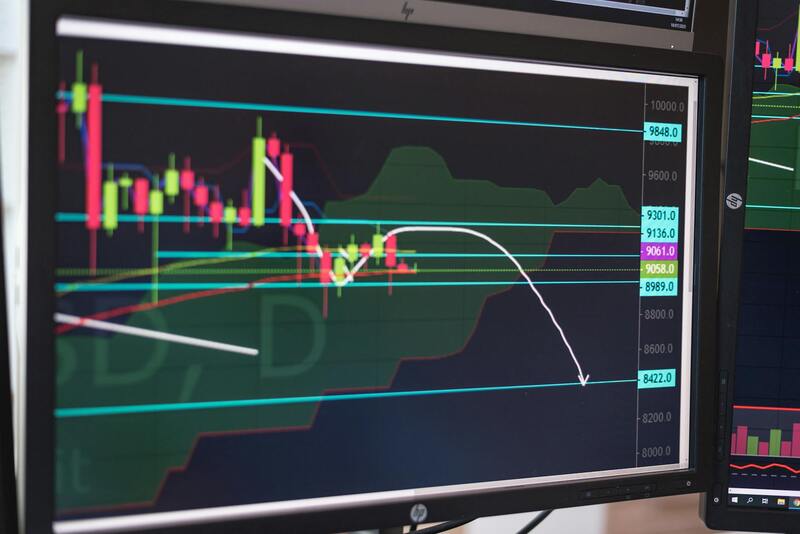
Reliable and low-latency data feeds constitute the foundation of any trade tech architecture. Integration with brokerage APIs, liquidity providers, and data vendors ensures that traders receive accurate market data and can place orders without delay. Robust connectivity reduces the risk of disconnections or data discrepancies that could adversely affect trading decisions.
Security and System Resilience
Protecting sensitive trading data and maintaining uninterrupted operations depend on advanced security measures, including encryption protocols, multi-factor authentication, and regular vulnerability assessments. Redundancy systems, backup solutions, and disaster recovery plans fortify the infrastructure against hardware failures and cyber threats, safeguarding ongoing trading activities.
Scalability and Modular Architecture
As a proprietary trading operation expands, its trade tech infrastructure must scale effectively. Modular architectures facilitate the addition of new features, trading instruments, or compliance modules without disrupting existing systems. Customizable platforms allow firms to tailor solutions to specific trading strategies, regulatory changes, and technological advancements, supporting sustainable growth.

By integrating these sophisticated technological components, trading firms can achieve higher levels of operational efficiency, risk management, and strategic agility. Staying ahead in the highly competitive forex landscape requires a continuous investment in state-of-the-art trade tech solutions that enhance execution speed, data integrity, and security measures. Customization and scalability ensure that these systems evolve with market demands, maintaining the firm’s edge over competitors.
Choosing the Best Trade Tech Solutions for Prop Firms
When prop trading firms aim to optimize their operational capabilities, selecting the most effective trade tech solutions becomes a critical decision. These firms must prioritize platforms that are robust, adaptable, and capable of supporting high-frequency trading environments. The choice of technology profoundly impacts trade execution speed, risk management, and compliance adherence, all of which are vital to maintaining a competitive edge in the forex market.
First and foremost, a prop firm should seek solutions that offer seamless integration with various trading engines, data feeds, and brokerage interfaces. Compatibility ensures that the firm can implement complex strategies without facing technical bottlenecks. Additionally, scalable infrastructure supports expansion into new markets or asset classes, allowing the firm to grow without overhauling existing systems.

Security features are non-negotiable. Trade tech platforms must incorporate advanced encryption, multi-factor authentication, and regular security audits to protect sensitive data and trading strategies. Reliable backup and disaster recovery systems also ensure continuous operation during unforeseen disruptions.
Automation capabilities streamline routine tasks such as order management, trade reconciliation, and reporting, boosting efficiency and reducing human error. Algorithmic trading tools empower traders with sophisticated analytical models, ensuring swift response to market movements. Customization options allow firms to tailor dashboards, risk parameters, and strategy components aligned with their specific trading approaches.
Vendor support and ongoing updates are equally important. Firms should select providers committed to regular maintenance and innovation, ensuring that the technology stays ahead of evolving market conditions and regulatory frameworks. A comprehensive evaluation process involves assessing platform performance under real trading scenarios, checking for latency issues, and reviewing user feedback from other prop firms.

Ultimately, the decision transcends mere feature sets; it includes evaluating vendor reputation, support services, and compliance standards. Opting for a solution that aligns with the firm’s growth strategy, operational needs, and technological imperatives paves the way for sustainable success in a highly competitive environment.
Comprehensive Integration of Trade Tech Solutions in Forex Prop Trading
Effective implementation of trade tech solutions is crucial for the operational excellence of forex proprietary trading firms. These solutions facilitate real-time data processing, strategy execution, risk management, and compliance adherence, ensuring that firms can operate seamlessly within dynamic market conditions. Leveraging robust trading platforms, advanced analytics, and automation tools enables firms to maintain a competitive edge and adapt swiftly to shifting trading environments.
Leveraging Data Analytics and Machine Learning
Modern trade tech solutions integrate sophisticated data analytics and machine learning algorithms that enhance predictive accuracy and decision-making speed. By analyzing vast amounts of historical and real-time market data, these tools identify patterns and emerging opportunities that might elude human traders. Machine learning models improve over time, continuously refining their predictions as they process more information, which contributes to more accurate entry and exit points for trades.

Automation and Execution Technologies
Automation plays a vital role in streamlining routine trading operations, allowing traders to focus on strategic decision-making rather than manual tasks. Automated order routing, position management, and reconciliation reduce operational latency and mitigate errors. Algorithmic trading tools facilitate the rapid execution of complex strategies, maintaining precision during high-volatility periods. This automation not only improves efficiency but also enables firms to scale their trading activities without proportionally increasing human resources.
Security Measures and Data Integrity
Security within trade tech solutions is paramount, given the sensitive nature of trading strategies and client data. Implementing multi-layered security protocols, such as encryption, multi-factor authentication, and regular security audits, ensures the integrity and confidentiality of information. Robust firewall protections and fraud detection systems help prevent unauthorized access and potential breaches. Additionally, disaster recovery plans and data backup solutions safeguard operations during unforeseen incidents, maintaining continuous trading capabilities.
Scalability and Integration Capabilities
As forex prop firms expand, their technological infrastructure must evolve correspondingly. Scalable trade tech solutions accommodate increasing transaction volumes and user demands without sacrificing performance. Seamless integration with existing systems, such as risk management modules, CRM platforms, and reporting tools, is essential to create a unified operational environment. Standardized APIs and modular architecture foster customization and facilitate upgrades, aligning technology infrastructure with growth objectives.
Vendor Support and Continuous Innovation
Reliable vendor support ensures ongoing maintenance, updates, and technical assistance, which are critical for maintaining system efficiency and security. Selecting vendors committed to innovation helps firms adopt the latest functionalities, including new compliance standards and market features. Proven track records and positive client references serve as indicators of a technology provider’s reliability and quality. Continuous collaboration with technology partners allows firms to tailor solutions to their specific needs and adapt swiftly to changing regulatory landscapes.
Evaluating Trade Tech Solutions for Strategic Fit
Optimal trade tech solutions are distinguished by their ability to adapt to the unique requirements of each proprietary trading firm. Evaluations should encompass hardware performance, software usability, security frameworks, and customization potential. An effective solution aligns with the firm’s trading style—whether high-frequency, swing trading, or scalping—and integrates smoothly into existing workflows. Rigorous testing under simulated conditions can help identify latency issues and other operational bottlenecks, ensuring readiness for live trading environments.
Future-proofing Through Technological Advancements
Emerging trends point towards increased adoption of artificial intelligence, blockchain technology, and cloud computing within forex prop trading environments. These advancements promise enhanced transparency, operational efficiency, and secure transaction management. Firms investing in flexible, scalable technology architectures position themselves advantageously for future growth and innovation, enabling rapid deployment of new trading strategies and compliance measures as market conditions evolve.
Key Features of Advanced Trade Tech Solutions for Forex Proprietary Trading Firms
Effective trade tech solutions are vital for the operational efficiency and competitive advantage of forex proprietary trading firms. These solutions encompass a broad range of technologies designed to facilitate precise execution, real-time data analysis, risk management, and seamless integration across multiple trading platforms. Advanced systems leverage cutting-edge innovations to improve latency, enhance trading algorithms, and provide robust security measures, ensuring firms can execute strategies with confidence and agility.
Real-Time Data Processing and Analytics
At the core of effective trading technology is the capacity for real-time data processing. This enables traders to respond swiftly to market movements, capitalize on fleeting opportunities, and adjust strategies dynamically. Trade tech solutions incorporate high-speed data feeds, sophisticated analytics, and visualization tools that present traders with actionable insights. These capabilities are crucial for high-frequency trading and scalping strategies, where milliseconds determine profitability.

Integration with Market Data Providers and Trading Platforms
Seamless integration forms the backbone of a robust technological environment. Forex prop firms require systems that can connect effortlessly with various market data providers, order execution platforms, and liquidity pools. This integration reduces latency, minimizes errors, and ensures smooth order routing. Modern solutions employ standardized APIs and protocols to facilitate interoperability across different platforms, enabling traders to execute complex strategies with consistency and speed.
Risk Management and Compliance Tools
Trade tech solutions also incorporate advanced risk management modules that monitor positions, manage leverage, and calculate exposure in real-time. Automated alerts notify traders of potential issues, allowing for prompt corrective actions. Additionally, compliance modules ensure adherence to trading regulations and internal policies, generating audit trails and reporting necessary for transparency and accountability.
Automation and Algorithmic Trading Capabilities
Automation plays a significant role in prop trading, allowing the deployment of pre-programmed algorithms that execute trades based on quantitative models. These algorithms can operate continuously, analyzing market conditions and placing orders faster than human traders. Sophisticated solutions include backtesting environments, strategy deployment tools, and performance tracking features—enabling firms to refine their strategies and optimize results.
Security and Data Protection
Protecting sensitive trading data and secure transaction processing are paramount. Trade tech providers implement multi-layered security protocols, including encryption, multi-factor authentication, and intrusion detection systems. These measures safeguard against cyber threats, ensure data integrity, and uphold operational stability, which are critical in maintaining trader confidence and protecting firm assets.
Cloud Computing and Scalability
Modern trade tech infrastructures leverage cloud computing to provide scalable, flexible, and cost-effective solutions. Cloud-based systems facilitate rapid deployment of new trading strategies, enable remote access, and support collaboration across dispersed teams. Scalability ensures that firms can expand their trading volume and incorporate additional asset classes without overhauling their technological foundation.
Case Study: Implementing an Integrated Trade Tech Solution
Consider a forex prop firm that aims to enhance its trading performance through an integrated technology ecosystem. The firm adopts a platform that consolidates real-time market data, sophisticated analytics, automated trading algorithms, and risk management tools within a secure cloud environment. As a result, the firm experiences reduced latency, improved decision-making accuracy, and enhanced compliance adherence, positioning itself for sustained growth and competitive superiority.
Future-Proofing Through Innovation and Adaptability
In the rapidly evolving landscape of forex trading, staying ahead requires continuous technological adaptation. Trade tech providers emphasize modular architectures that allow for easy updates and integration of emerging technologies such as artificial intelligence, machine learning, and blockchain. This flexibility ensures that prop firms can adopt innovative trading strategies, meet new regulatory requirements, and respond swiftly to market shifts, safeguarding their competitive edge into the future.