Understanding Forex Prop Trading Firms
Forex proprietary trading firms, commonly known as prop trading firms, are specialized organizations that allocate capital for traders to execute currency trades. These firms serve as intermediaries connecting liquidity providers with individual traders or teams who employ their expertise to generate profits from the foreign exchange markets. The primary goal of a prop trading firm is to leverage the skills of experienced traders while managing risk prudently, ensuring sustainable profitability for both parties. Unlike retail trading, where individuals trade with their own capital, traders within prop firms operate using the firm's funds, offering a distinct environment focused on disciplined trading strategies and risk management.
At their core, forex prop trading firms act as strategic marketplaces designed to maximize trading efficiency and capital utilization. They often provide traders with cutting-edge trading technology, access to diverse liquidity pools, and comprehensive support systems to optimize trading performance. These firms usually establish structured programs with defined evaluation phases, wherein traders must demonstrate their ability to adhere to strict risk parameters and achieve consistent results before gaining full trading privileges. This framework fosters a disciplined trading culture, emphasizing both skill and risk control.
The structure of a forex prop trading firm typically involves multiple layers, including trader onboarding, risk management committees, and profit-sharing arrangements. Traders are often required to pass evaluations or trading challenges to demonstrate their competence. Once accepted, they operate as part of a team, utilizing the firm's capital to capitalize on market opportunities. The firm benefits by earning a portion of the profits generated, while traders gain access to significant trading capital and professional resources that are normally inaccessible to individual traders operating solo.

In addition to providing capital, these organizations often deliver continuous training, analytics tools, and risk management assistance to help traders refine their strategies. Their role in the trading industry is vital, as they facilitate a symbiotic relationship where skilled traders can capitalize on larger market positions, and firms can diversify their trading portfolios across various currency pairs and market conditions. The transparency and professionalism maintained within reputable prop firms ensure they are recognized as trustworthy avenues for forex trading professionals seeking new opportunities.
Overall, forex prop trading firms have become integral components of the financial ecosystem, enabling talented traders to scale their operations without the barrier of large personal capital investment. Their structured approach promotes disciplined and strategic trading, aligning the interests of traders and firms towards sustained profitability.
Criteria for Selecting the Best Forex Prop Trading Firm
Choosing the ideal forex prop trading firm requires a thorough understanding of several critical factors that contribute to a productive and secure trading environment. Top-tier firms are distinguished by their transparency, operational stability, and support infrastructure, which are essential for fostering trader growth and ensuring consistent profitability. Before committing to a specific organization, traders must evaluate key aspects to ensure alignment with their trading goals and professional standards.
Reputation and Industry Standing
Establishing trust begins with assessing a firm’s reputation within the forex trading community. Firms with a history of transparent dealings, positive trader feedback, and consistent operational practices tend to be more reliable. Industry recognition, certifications, or awards can also serve as indicators of a firm’s standing and adherence to best practices, providing reassurance of their commitment to maintaining high standards.
Trading Capital and Profit-Sharing Structure
Fundamental to the participation in a prop trading firm is understanding how much capital is available for trading and the terms of profit sharing. The best firms typically offer substantial trading funds relative to the trader’s skill level, enabling more significant market exposure and potential earnings. Equally important is the profit-sharing arrangement, which should be fair and transparent, ensuring traders receive an equitable portion of the profits they generate.
Training, Resources, and Support
Leading prop firms invest in trader development by providing comprehensive training programs, advanced analytics tools, and risk management resources. These tools empower traders to refine their strategies, identify optimal entry and exit points, and manage risks effectively. Additionally, accessible support channels for technical and trading-related questions can significantly enhance a trader’s confidence and efficiency in executing trades.
Evaluation and Trading Challenges
Many reputable firms implement strict evaluation processes, such as trading challenges or demo assessments, to ensure traders possess the necessary skills before granting access to their capital. Clear criteria and reasonable rules for these assessments reflect the firm’s commitment to professionalism and promote a meritocratic environment where disciplined traders can succeed.
Risk Management Policies
Robust risk management frameworks are vital for maintaining stability within prop trading firms. These policies should include predefined maximum drawdowns, position sizing rules, and stop-loss protocols. Transparency regarding these risk limits ensures traders can operate confidently, knowing that safeguards are in place to protect both their success and the firm’s long-term viability.
Technological Infrastructure and Trading Platforms
Access to reliable, advanced trading platforms combined with fast execution speeds directly affects trading performance. The best firms offer state-of-the-art technology, seamless connectivity, and regular updates, allowing traders to respond swiftly to market movements. Compatibility across devices, user-friendly interfaces, and integrated analytics are additional advantages that contribute to effective trading operations.
Fee Structures and Costs
Transparency regarding any upfront fees, monthly charges, or other costs associated with joining or maintaining a trading account is crucial. Reputable firms clearly outline their fee structures, ensuring traders can assess whether the potential gains justify the costs involved. Hidden fees or ambiguous terms can negatively impact profitability over time.
Legal and Contractual Terms
Before entering into an agreement, traders should carefully examine the contractual terms related to trading conditions, profit distribution, termination clauses, and confidentiality. Clear, detailed contracts that specify each party’s responsibilities promote a smooth trading partnership and mitigate potential disputes.

Adhering to these carefully considered factors enables traders to identify reputable organizations that align with their trading style, risk appetite, and professional aspirations, ultimately fostering a productive and mutually beneficial relationship within the forex trading industry.
Types of Forex Prop Trading Firms
Forex proprietary trading firms can be categorized based on their operational models, funding arrangements, and growth strategies. Understanding these distinctions helps traders align with the firm that best suits their trading style and objectives.
- Funded Trader Programs: These firms provide traders with capital to trade on their behalf, often after passing a rigorous evaluation process. The trader receives a trading account with a predetermined funding amount, and profits are usually split according to an agreed percentage. The evaluation phase typically involves demonstrating consistent risk management and profitability over a series of simulated or live trading accounts.
- Profit-Sharing Models: In this model, traders are given access to a trading account and share their profits with the firm. The division of profits is detailed in the contractual agreement, with some firms offering higher splits to top performers. These arrangements motivate traders to perform at their best, as their earning potential directly correlates with their trading success.
- Settlement-Only Firms: Some firms operate primarily as matchmaking services between traders and investors, rather than offering direct funding. They facilitate connections and sometimes provide training, but the trader’s funds come from external sources or individual capital. This model often involves lower initial costs but may require traders to manage their own capital outside the firm's ecosystem.
- Hybrid Models: Many top firms combine elements from various models, offering flexible funding options, training, and profit-sharing schemes. This approach caters to a broader range of traders, from beginners seeking mentorship to experienced professionals aiming for larger capital access.
Criteria for Selecting the Best Forex Prop Trading Firm
Choosing a reliable forex prop trading firm requires careful evaluation of several key factors that influence success and sustainability. These criteria ensure traders engage with organizations that provide a solid foundation for professional growth and financial stability.
- Funding Capacity: Assess the amount of capital available for traders. Larger funding pools enable more substantial trading positions and potential profits, but they often require rigorous testing and verification processes.
- Profit Sharing Arrangements: Transparent and competitive profit split structures are crucial. Higher trader profit percentages and favorable terms foster motivation and reward consistent performance.
- Trading Conditions: Look into the specific trading parameters, including allowable trading instruments, leverage limits, drawdown restrictions, and risk management protocols. Favorable conditions support sustainable profitability.
- Technology and Platform Reliability: Stable trading platforms with real-time data feeds, advanced analytics, and seamless execution are fundamental. Compatibility across devices and quick response times directly impact trading efficacy.
- Support and Education: Access to comprehensive support services, including mentorship, training modules, and responsive customer service, enhances traders’ capabilities and confidence.
- Reputation and Reviews: Investigate the firm’s track record through trader testimonials and industry reputation. Transparency and a history of fair dealings provide confidence in partnership prospects.
- Contract Terms and Fees: Clear contractual obligations and fee structures prevent misunderstandings. Avoid firms with hidden charges or ambiguous clauses that could impede profitable trading.

Understanding Forex Prop Trading Firms
Forex proprietary trading firms, commonly referred to as prop firms, serve as a pivotal interface between individual traders and the dynamic foreign exchange market. These firms allocate capital to select traders who demonstrate proficiency in executing trading strategies within defined risk parameters. Importantly, they offer traders a platform equipped with tools, resources, and financial backing, enabling participants to leverage their skills without bearing the full extent of capital risk. The core premise of forex prop trading firms revolves around mutually beneficial arrangements: the firm provides the trading capital and infrastructure, while traders contribute their expertise to generate profits, a portion of which is shared as compensation.

These firms often operate under differing models, including funded trader programs, hands-on trading desks, or hybrid systems that incorporate both approaches. The overarching goal remains consistent: to develop a structured environment where traders can grow their skills, implement disciplined trading strategies, and benefit financially from their market analysis and execution.
Types of Forex Prop Trading Firms
Understanding the classification of prop trading firms is essential for traders seeking optimal conditions tailored to their experience and trading style. The primary categories include:
- Funded Trader Programs: These programs typically involve a testing phase where traders prove their ability to trade within specified parameters. Successful candidates then gain access to live trading accounts funded by the firm. The emphasis is often on risk management, consistency, and adherence to trading rules.
- Trading Desk Firms: Also known as prime brokerage or desk trading firms, these organizations employ traders directly on their trading floors or office environments. Traders here often have access to substantial capital and sophisticated infrastructure, focusing on executing large-volume trades and market-making activities.
- Hybrid Models: Combining features of funded programs and trading desk operations, hybrids offer traders the opportunity to demonstrate their skills while working within a semi-structured environment. These firms often provide ongoing mentorship, resources, and performance-based incentives.

Criteria for Selecting the Best Forex Prop Trading Firm
Choosing the right partner in forex prop trading requires a comprehensive evaluation of several critical factors. The foremost considerations include:
- Trading Conditions: Examine key aspects such as leverage allowances, permissible trading instruments, drawdown limits, and risk management standards. Favorable conditions facilitate sustainable trading and the ability to capitalize on market opportunities efficiently.
- Profit Sharing Structure: A transparent and equitable profit split model is vital. Firms offering higher profit percentages to traders and clear terms for revenue sharing foster motivation and reward consistency.
- Technology and Platform Reliability: Robust trading platforms with real-time data, advanced charting tools, and seamless execution are essential. Ensure compatibility across devices and minimal latency for optimal trading performance.
- Support and Educational Resources: Firms that provide comprehensive training, mentorship programs, and responsive customer support help traders enhance their skills and adapt to evolving market conditions.
- Reputation and Industry Standing: Conduct due diligence by reviewing trader testimonials and industry reputation. Transparent operations and a history of fair dealings serve as indicators of a trustworthy partner.
- Contract and Fee Structures: Clear, upfront contractual obligations and fee disclosures prevent misunderstandings. Beware of hidden charges that could diminish profitability over time.
Assessing these factors ensures alignment with a trader's professional ambitions, risk appetite, and development goals, leading to a more fruitful partnership with a forex prop trading firm.
Evaluating the Funding Process and Trader Onboarding
Once a trader has selected a forex prop trading firm that aligns with their trading style and objectives, the next step involves understanding the funding process and onboarding procedures. Most reputable firms follow a structured evaluation protocol to assess a trader's skills and risk management capabilities before providing access to their trading capital. This process is designed to ensure traders meet specified performance standards and demonstrate consistent profitability within defined risk parameters.
Typical assessment stages include a simulated trading challenge or a trial period, during which traders must adhere strictly to the firm's rules regarding drawdowns, trading frequency, and risk exposure. Passing these assessments often requires traders to deliver a predefined level of profitability over a set period, exemplifying their ability to manage risk effectively while capturing market opportunities. Once successful, traders transition into the funded phase, gaining access to the firm’s capital for live trading.

Onboarding and Training Programs
Effective onboarding is critical in supporting traders during their initial phases and ongoing development. Leading firms offer comprehensive training modules, workshops, and mentorship resources tailored to various skill levels. These programs aim to optimize traders’ tactics, reinforce risk management principles, and introduce advanced trading strategies, thus enhancing overall performance.
Traders are often provided access to proprietary trading platforms equipped with analytical tools, real-time data feeds, and performance tracking dashboards. Additionally, continuous support and feedback from experienced professionals bolster traders’ confidence and adaptability in dynamic market environments.
Compliance and Contractual Obligations
Joining a forex prop trading firm involves signing a detailed contract that delineates the terms of funding, profit sharing, and operational rules. It's essential for traders to thoroughly review these agreements to understand their responsibilities, such as maintaining certain profit and risk limits, adhering to trading hours, and reporting requirements. Transparency in contractual terms encourages a mutually respectful partnership and mitigates misunderstandings down the line.
Moreover, firms often stipulate specific compliance protocols pertaining to trading ethics, data security, and confidentiality. Fully understanding and abiding by these guidelines is crucial to sustaining a successful trading relationship.
Ongoing Performance Evaluation and Scaling Opportunities
Continuous performance monitoring is a hallmark of trustworthy forex prop trading firms. Traders are regularly reviewed against key performance indicators, including profit consistency, adherence to risk management rules, and overall trading discipline. Successful traders demonstrate resilience, adaptability, and a disciplined approach, paving the way for potential scaling of their trading capital and earning opportunities.
Firms may also offer incentives such as increased funding limits, access to advanced trading tools, and participation in profit-sharing programs based on sustained performance and reliability. These incentives foster long-term growth and career progression within the prop trading ecosystem.
Understanding Forex Prop Trading Firms
Forex proprietary trading firms serve as pivotal platforms that provide experienced traders with access to significant trading capital, enabling them to execute large-scale trades without risking their own funds. These firms are structured to leverage trading expertise while offering risk management, training, and technological support that empower traders to maximize their potential. The core advantage of a forex prop trading firm lies in its ability to pool resources, allowing skilled traders to operate with higher leverage and larger positions than they could individually access through retail brokers.
Typically, these firms operate under a profit-sharing model where traders earn a percentage of the profits generated, while the firm retains the remainder. It fosters a mutually beneficial relationship, aligning the interests of both parties towards consistent profitability and prudent risk management. Importantly, most reputable firms establish rigorous evaluation processes to verify traders' skills, discipline, and reliability before onboarding new talent.
Types of Forex Prop Trading Firms
Understanding the different models of forex prop trading firms is essential for traders aiming to identify the best fit for their trading style and goals. The primary classifications include:
- Evaluation-Based Firms: These firms require traders to undergo a testing or challenge stage, demonstrating their skills within defined risk parameters. Successful completion grants access to funded trading accounts.
- Instant Funding Firms: Traders are provided immediate access to trading capital, often based on their trading track record or demonstrated expertise from previous trading activities.
- Hybrid Models: Incorporating elements of evaluation and instant funding, these firms offer initial assessment phases followed by immediate or scaled-up funding upon passing specific performance benchmarks.
Each model offers distinct advantages, allowing traders to choose according to their experience level, risk appetite, and trading approach. Reputable firms also emphasize transparency, comprehensive training, and ongoing support to foster trader development and risk mitigation.
Criteria for Selecting the Best Forex Prop Trading Firm
Choosing an ideal forex prop trading firm involves evaluating multiple criteria that ensure a secure environment and growth opportunities. Critical factors include:
- Reputation and Transparency: Confirm that the firm maintains clear communication about terms, profit splits, risk management policies, and fee structures.
- Funding Terms and Profit Sharing: Review the percentage split, drawdown limits, and the process for scaling trading capital based on performance.
- Risk Management Policies: Ensure the firm enforces solid risk controls to protect both traders and the firm's capital, including leverage limits and position sizing rules.
- Training and Support: Evaluate available resources, mentorship programs, and technological infrastructure that aid traders in improving their skills.
- Evaluation Process: The difficulty, fairness, and structure of their trader assessment or onboarding procedures.
- Commission and Fee Structure: Transparency regarding any upfront or ongoing fees that could impact profitability.
- Technology and Trading Platforms: Compatibility with advanced trading tools, reliable execution, and robust back-office support are vital for efficient trading.
Overview of Top Forex Prop Trading Firms
Among the most recognized entities in the field, several firms stand out due to their professionalism, trader support systems, and consistent performance track records. These firms typically possess a strong reputation for transparency and offer competitive profit-sharing schemes, along with comprehensive training modules suited for traders at various stages of their careers.
It is crucial that traders perform due diligence, reviewing independent trader testimonials, analyzing the firms' performance histories, and understanding their contractual obligations before committing to any partnership. The landscape is dynamic, with emerging firms continually innovating to attract top talent and optimize operational efficiency. This ongoing evolution underscores the importance of ongoing research and strategic evaluation when selecting a top-tier prop trading partner.
How to Join a Forex Prop Trading Firm
The process of joining a forex prop trading firm typically involves a series of strategic steps designed to assess trading competency and compatibility with the firm's policies. The initial phase generally requires potential traders to submit an application outlining their trading experience, strategies, and risk management approach. Many firms also mandate an evaluation phase where traders must pass a simulated or live challenge, demonstrating consistent profitability within predefined risk limits.
- Submission of Trading Experience: Providing detailed trading histories or passing specialized testing to showcase skills.
- Trader Evaluation: Executing a set challenge or probation period with specific profit goals and risk constraints.
- Contract Agreement: Reviewing and signing formal contracts that specify profit sharing, trading rules, and compliance standards.
- Access to Trading Capital: Once approved, traders are granted access to trading accounts with allocated capital, supported by the firm’s risk management protocols.
Effective communication during this process is critical, ensuring clarity on expectations and responsibilities. Firms may also offer training modules, mentorship, and trading resources during onboarding to facilitate a seamless transition into funded trading. Adherence to the firm’s risk management and reporting requirements is essential for maintaining eligibility and progressing within the firm’s trading ecosystem.
Benefits and Risks of Trading with Prop Firms
Engaging with a reputable forex prop trading firm offers numerous advantages that can significantly enhance a trader’s career. One of the primary benefits is access to substantial trading capital, which allows traders to execute larger positions and diversify strategies without risking personal funds. This leverage can amplify potential profits, especially when backed by the firm's risk management protocols that help safeguard the trader and the capital involved.
Moreover, many forex prop trading firms provide comprehensive training resources, mentorship programs, and advanced trading tools designed to elevate skill levels. These supports not only improve trading strategies but also foster a disciplined approach to risk management, which is crucial for sustained success in the volatile forex markets.
On the practical side, working with a professional firm often grants access to proprietary trading platforms with advanced analytical features. Such tools can facilitate better decision-making, market analysis, and execution efficiency. Additionally, traders benefit from a collaborative community environment, sharing insights and strategies which can lead to accelerated learning and improved performance.
However, this environment is not without risks. Traders must navigate strict risk management rules that limit maximum drawdowns and require consistent performance. Failure to adhere can result in the termination of trading privileges or loss of access to trading capital. The pressure to maintain profitability within tight risk constraints can be stressful, especially for traders new to such professional settings.
Furthermore, some firms impose rigorous evaluation processes before granting access to trading capital. This can be time-consuming and demanding, involving multiple stages of testing and validation of trading strategies. Traders may also face differing profit-sharing models, which can influence overall earnings. It’s essential for traders to understand these arrangements clearly, as they directly impact financial outcomes.
Most importantly, traders should be aware that reliance on prop firms requires strict discipline and adherence to trading rules. Inconsistent performance, emotional trading, or neglecting risk management standards can lead to account suspension and financial loss. The partnership with a forex prop trading firm, while offering significant opportunities, demands a high level of professionalism, continuous learning, and risk awareness to optimize benefits and mitigate potential downsides.
How to Establish Your Own Prop Forex Trading Firm
Launching a proprietary forex trading firm requires a comprehensive understanding of the industry, unwavering dedication, and strategic planning. Aspiring entrepreneurs must first develop a solid foundation in forex trading, including expertise in technical and fundamental analysis, effective risk management, and a deep understanding of market dynamics. Building a team of skilled traders and operational staff is essential to ensure the smooth functioning of the firm.
Operational logistics form a critical part of establishing a prop trading firm. This includes securing the necessary financial capital, selecting robust trading infrastructure, and implementing rigorous compliance protocols. In addition, developing proprietary or white-label trading platforms is often necessary to facilitate seamless execution and monitoring of trades. Ensuring the security of trading data and compliance with industry standards enhances the firm’s credibility and operational integrity.
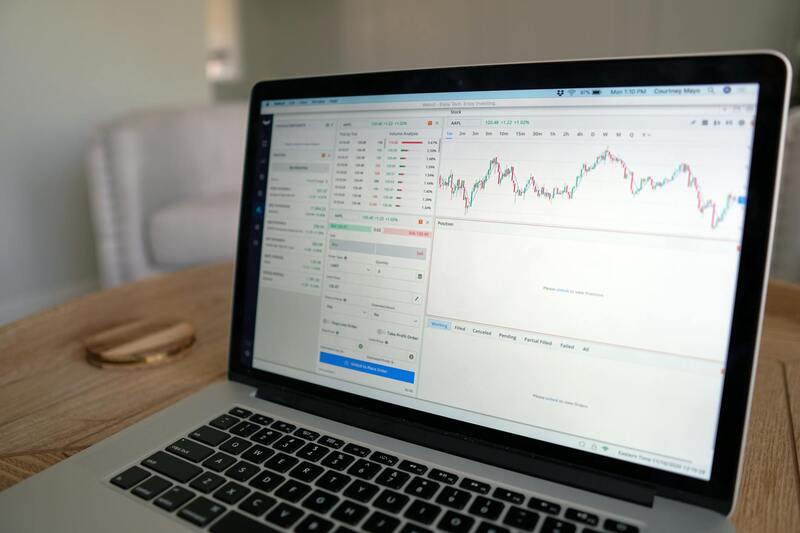
Legal and regulatory considerations are also vital. While the specific licensing and registration procedures may vary by jurisdiction, it is crucial to establish transparent operational policies, secure necessary licenses, and implement anti-money laundering (AML) and know-your-customer (KYC) protocols. Adequate legal counsel can help navigate the complexities of financial regulations and ensure the firm operates within established legal frameworks.
Market positioning and differentiation strategies are equally important. To attract reputable traders and investors, the firm must offer compelling value propositions such as competitive profit-sharing arrangements, flexible trading conditions, and advanced technological tools. Effective branding, coupled with a transparent operational process, builds trust and enhances reputation within the trading community.
Building a sustainable business model involves continuous evaluation and adaptation to market trends and technological advancements. Utilizing data analytics, artificial intelligence, and machine learning can optimize trading algorithms and risk management strategies. Ongoing training and development programs for traders and staff help keep the firm at the forefront of industry standards and innovations.

Overall, establishing a proprietary forex trading firm demands a disciplined approach to operational excellence, compliance, technological innovation, and strategic market positioning. Success hinges on assembling a talented team, leveraging cutting-edge tools, and adhering to best practices in risk management and legal compliance. With a well-structured framework, a new prop firm can carve a niche in the competitive forex landscape, providing valuable opportunities for traders and investors alike.