Overview of Prop Firms in Forex Trading
Prop firms, short for proprietary trading firms, play a significant role in the forex industry by providing traders with specialized funding to access larger trading accounts than they could typically manage on their own. These firms operate as financial institutions that allocate capital to skilled traders, allowing them to execute trades on behalf of the firm. Unlike traditional individual trading accounts, where traders use their personal funds, prop firms offer a strategic partnership where the firm's capital is at stake, and the trader's expertise is the driving force behind potential profits.
In essence, prop firms serve as a bridge between talented traders and the expansive world of forex trading, often providing comprehensive trading programs, risk management tools, and performance benchmarks that help traders grow professionally and financially. Their main goal is to identify high-potential traders, support their development, and share the profits generated through successful trades.
One of the primary distinctions between prop firms and standard trading accounts lies in their operational structure. Traditional trading accounts are maintained by individual traders who risk their own money, whereas prop firm accounts are funded by the firm, with traders operating under specific guidelines and risk parameters set by the firm. This arrangement allows traders to leverage larger amounts of capital with reduced personal financial exposure, thus amplifying potential gains (and losses) within controlled parameters.
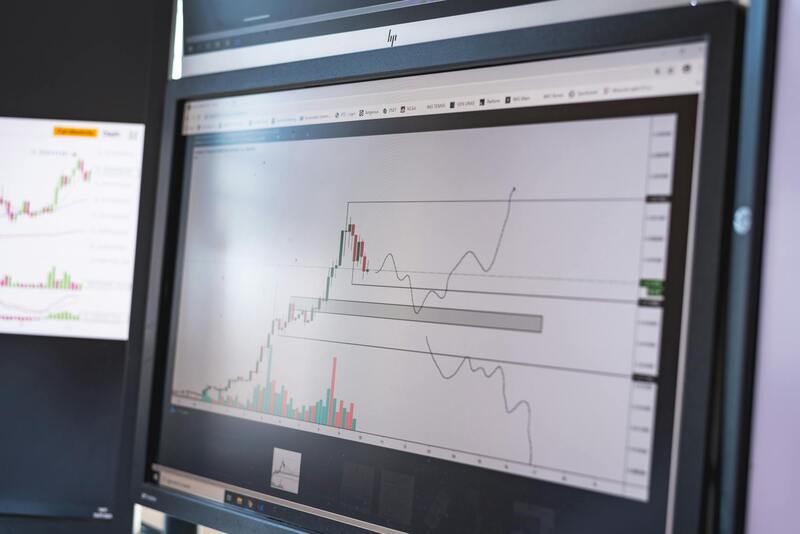
Working with a prop firm also typically involves adhering to strict risk management rules, performance assessments, and trading processes designed to ensure responsible use of capital. These elements help protect the firm’s investments while creating opportunities for traders to demonstrate their skills in real-market conditions.
Overall, prop firms in the forex industry serve as vital catalysts for trader development and market liquidity. They enable talented individuals to access substantial trading capital, foster professional growth, and contribute to a dynamic and competitive trading environment.
Types of Forex Prop Firm Funding Models
Forex prop trading firms employ a variety of funding structures to facilitate trader participation, each designed to evaluate skills, manage risk, and optimize capital utilization. Understanding these models helps traders select the most suitable platform for their trading style and career goals.
Challenge-Based Funding Programs
This approach involves traders undergoing a simulated trading assessment to demonstrate consistent performance within predefined parameters. Traders must adhere to strict risk management rules and hitting target profit levels within a specified timeframe. Successful completion grants access to live trading accounts with real capital, often significantly larger than personal accounts. These programs are highly popular as they provide a clear pathway from evaluation to funded trading and typically involve a one-time or recurring fee for participation.
Instant Funding Agreements
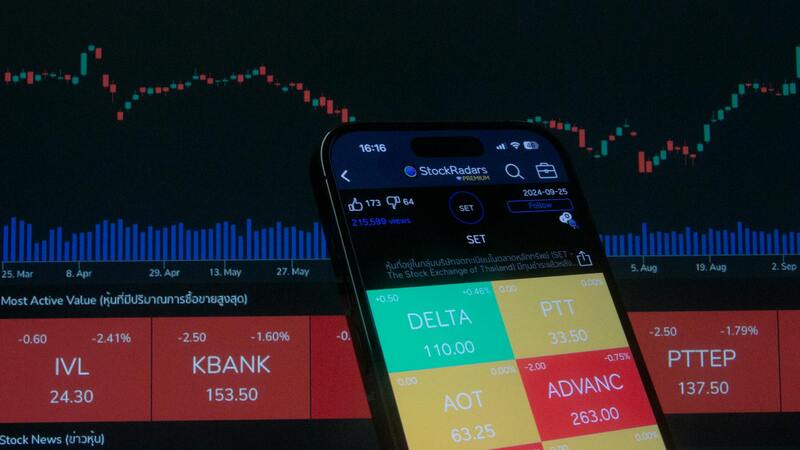
Instant funding models allow traders to access substantial leverage and trading capital immediately, without rigorous assessment processes. These platforms often require traders to prove their expertise through trading records or verified account histories, or they may provide initial allocations based on curated trading profiles. While this approach offers quick access to capital, it typically involves strict risk management regulations and performance monitoring to safeguard the firm's assets.

No-Challenge Models
Some proprietary firms operate on a straightforward funding basis, where traders with proven track records can directly receive capital for live trading without participation in specific challenge programs. These firms often focus on traders with existing verified histories and place emphasis on ongoing performance, risk control, and disciplined trading practices. This model streamlines the entry process but requires demonstrable experience and consistent profitability from traders.
By offering diverse funding options, prop firms cater to varying trader profiles, from aspiring professionals to experienced traders seeking larger margins. This flexibility enhances market participation and enables a broader spectrum of traders to benefit from professional capital and support systems.
Overview of Prop Firms in Forex Trading
Proprietary trading firms, commonly known as prop firms, have become integral to the forex trading landscape. These organizations provide skilled traders with access to substantial trading accounts funded by the firm itself, enabling them to leverage significant capital while assuming limited personal financial risk. Unlike retail traders who trade with their own funds, prop firm traders operate under the firm's capital, which allows for the execution of larger positions and aims to amplify potential profits. Central to the operation of forex prop firms is their structured approach to evaluating trading skills, risk management, and performance, which helps sustain their capital base and maintain consistent profitability.
Prop firms serve a diverse array of traders, from emerging professionals to seasoned experts. They typically implement rigorous evaluation criteria and specific trading protocols to ensure that traders conform to the firm's risk parameters and trading standards. This structured environment not only fosters disciplined trading practices but also offers traders access to mentoring, advanced technology, and trading infrastructure, all aimed at maximizing their potential. The primary objective of active prop firms is to balance risk management with profit generation, maintaining profitability through disciplined, strategic trading while providing traders with the necessary tools and capital to succeed in dynamic forex markets.

Core Attributes of Forex Prop Firms
- Access to significant trading capital
- Structured evaluation and selection process
- Focus on consistent risk management
- Supportive trading environment with tools and mentorship
- Profit-sharing arrangements based on performance
Such firms cultivate an environment where skill, discipline, and adherence to risk protocols are paramount, allowing traders to operate efficiently while safeguarding the firm's assets. This mutual benefit is central to the sustainable operation and growth of prop trading in the forex space, aligning the interests of traders and the organization toward long-term success and profitability.
Segregation of Trading Accounts and Risk Management Policies
One essential aspect of proprietary forex trading involves the segregation of funds. Reputable prop firms operate with strict policies that ensure clients' trading capital is kept separate from the firm's operating funds. This segregation not only guarantees transparency but also safeguards traders' assets against potential operational risks. Traders are given dedicated accounts, allowing them to execute their strategies with the assurance that their capital is protected and managed in accordance with regulatory standards.
Furthermore, risk management policies are at the core of a prop firm’s operational framework. These policies include predefined maximum drawdown limits, leverage restrictions, and consistent monitoring of trading activity. By enforcing these measures, prop firms maintain a balanced risk-to-reward ratio that supports sustainable trading practices. Traders must adhere to these protocols, which serve to minimize losses and promote disciplined trading behavior.
Official Evaluation and Certification Processes
Many prop firms feature rigorous evaluation processes designed to verify a trader’s skills and adherence to risk parameters. This often involves a two-phase assessment: an initial evaluation where traders demonstrate consistent performance within set rules, followed by a verification stage where their ability to sustain profitability is tested over a longer period.
Successful completion of these evaluations results in official certification or a funded account, which enables traders to operate with the firm’s capital. These processes are structured to ensure that only traders who demonstrate sound risk management, strategic execution, and consistent profitability are granted official status, aligning with the firm's standards for high-quality performance.
Utilizing Official Platforms and Technology Tools

Prop firms invest heavily in the latest trading technology to support their traders. These platforms include advanced charting tools, algorithmic trading capabilities, and real-time data feeds that help traders make informed decisions. Access to comprehensive analytics and automated trading systems is often part of the package, enabling traders to implement complex strategies with precision.
Secure and reliable infrastructure is critical for high-frequency trading scenarios. Reputable firms ensure their platforms are built on robust servers with minimal downtime, providing seamless user experiences. Additionally, many firms offer access to educational resources and mentorship programs integrated into their platforms, fostering continuous professional development.
Legal and Contractual Considerations in Prop Trading
Engaging with a reputable prop firm involves understanding the contractual obligations and legal responsibilities. Traders typically sign agreements that specify trading parameters, profit-sharing arrangements, and compliance expectations. These contracts aim to create a transparent and mutually beneficial relationship.
It is vital for traders to review these agreements carefully to understand the terms related to profit splits, funding periods, and account termination conditions. Clear documentation helps prevent misunderstandings and ensures that all parties are aligned with the operational standards.
Ongoing Compliance and Reporting Requirements
Maintaining a funded account requires ongoing compliance with the firm's policies. Regular reporting, adherence to risk management limits, and performance audits are standard components of the process. These measures keep trading activities aligned with regulatory standards and the firm's internal risk controls.
Prop firms often utilize sophisticated monitoring software to oversee active trading accounts, quickly identifying deviations from established protocols. Traders are expected to maintain detailed trading logs and participate in periodic reviews, ensuring transparency and continuous adherence to best practices.
Understanding the Funding Model and Its Impact on Traders
For traders considering joining a prop trading firm, comprehending how the firm funds trading accounts is crucial. Different funding models influence profit potential, risk management, and the overall trading environment. The two most prevalent models are pooled funding and individual account funding. These models foster diverse trading strategies and operational approaches, making it vital for traders to select a system aligning with their risk appetite and trading style.
Pooling Capital Versus Individual Account Funding
Pooled Funding: In this setup, traders operate under a common capital pool provided by the prop firm. Profits are typically shared according to predetermined arrangements, and the firm's risk management policies govern trading activities. This model enables traders to access larger capital bases, potentially increasing profit margins. However, it also demands strict adherence to risk protocols to safeguard the pooled capital.
Individual Account Funding: Here, traders are assigned specific trading accounts funded directly by the prop firm. This approach offers more control over trading strategies and limits the trader's trading capital to the allocated account size. Profits are usually split based on precise contractual terms, and risk limits are predetermined for each account. This model tends to attract traders who prefer clear boundaries and individual accountability.

The Role of Prop Firm Capital in Risk Management
Regardless of the funding structure, effective risk management remains central to successful prop trading. Proprietary firms implement robust risk controls, such as daily loss limits, position size restrictions, and stop-loss protocols, to protect their capital and support sustainable trading activities. Traders must familiarize themselves with these parameters and employ disciplined risk practices to thrive within the firm’s operational framework.
Profit-Sharing Arrangements and Their Implications
Profit-sharing is a key contractual element that varies across firms. Common models include:
- Percentage Split: The trader receives a fixed percentage of the profits generated, with the remainder retained by the firm.
- Tiered Profit-Sharing: The profit split adjusts based on the trader’s performance levels, incentivizing consistent, high-quality trading.
- Fixed Monthly Payouts: Some firms offer guaranteed base payments supplemented by performance-based bonuses.
Choosing a prop firm with appealing profit-sharing terms can significantly impact overall earnings, especially for traders optimizing their strategies within the firm’s risk parameters.
Impact of Funding Model on Trader Flexibility
The selected funding approach often dictates the degree of operational flexibility. Pooled funds may require traders to align with firm-wide risk policies, limiting certain trading tactics. Conversely, individual account funding can afford traders more discretion but might come with stricter penalties for exceeding predefined risk thresholds. Weighing these factors helps traders identify a firm that complements their trading philosophy and risk management preferences.

Overview of Prop Firms in Forex Trading
Proprietary trading firms, commonly known as prop firms, play a pivotal role in the forex trading landscape. They provide traders with the necessary capital, infrastructure, and trading environments to maximize their potential earnings. Unlike traditional trading, where individuals trade with their own money, prop firms operate using pooled capital, offering traders an opportunity to leverage larger positions without risking personal funds. This model allows talented traders to demonstrate their skills, develop strategies, and earn a share of the profits generated from their trading activities.

The credibility and reputation of a prop firm often hinge on transparent operational standards, proper risk management protocols, and a history of supporting traders' growth. When evaluating these firms, it’s essential to consider their core values, compliance measures, and the technology platforms they provide, ensuring a seamless trading experience grounded in reliability and professionalism.
Types of Forex Prop Firm Funding Models
The funding models employed by forex prop firms vary, and each comes with distinct benefits and operational constraints. Common models include:
- Shared Capital Pools: Traders operate within a pooled fund environment where risk and rewards are shared among team members. Although this facilitates larger trades and diversification, it requires strict adherence to overall risk parameters.
- Individual Account Funding: Traders are granted access to their own funded accounts, allowing more autonomy but often with tighter controls on risk levels and position sizes.
- Hybrid Models: Combining elements of pooled funds and individual controls, these models aim to balance operational flexibility with risk management and often include performance-based incentives.

Implications of Funding Models on Trader Flexibility
The choice of funding structure influences many aspects of trading. For instance, pooled fund setups may require traders to adhere to more conservative risk limits to protect the collective capital. Conversely, individual account structures tend to offer traders the ability to employ a wider range of strategies, provided they manage their risk appropriately. Assessing these factors helps traders align their trading style with the firm’s operational framework.
Benefits and Risks of Trading with Prop Firms
Engaging with prop firms brings notable advantages for both aspiring and experienced traders:
- Access to Capital: Prop firms remove the hurdle of limited personal funds by providing substantial trading capital, enabling traders to capitalize on larger market movements.
- Risk Management Support: Many firms offer risk management tools, analytics, and mentorship, fostering disciplined trading practices.
- Training and Resources: In addition to capital, traders often benefit from educational resources, technology platforms, and trading communities.
However, there are certain considerations and risks that traders must evaluate:
- Profit Sharing and Fees: A significant portion of profits might be retained by the firm, affecting potential earnings.
- Operational Constraints: Risk parameters and trading styles might be limited or regulated according to the firm's policies.
- Performance Pressure: Maintaining consistent performance within set risk limits is essential, as exceeding thresholds may result in account termination or penalties.
Popular and Reputable Forex Prop Trading Firms
Numerous firms have established themselves as leaders in the forex prop trading sector by demonstrating reliability, support structures, and fair profit-sharing models. Traders should focus on those with transparent operating procedures, positive industry reputation, and a track record of supporting trader development. Such firms often implement structured evaluation processes, continuous training programs, and sophisticated risk controls to ensure sustainable growth for both the firm and its traders.
Future Trends in Forex Prop Trading
Advancements in trading technology, greater emphasis on compliance, and innovative funding schemes are shaping the future landscape of forex prop trading. Increased integration of artificial intelligence and data analytics enhances risk assessment and strategy optimization, offering traders new tools to succeed. Moreover, flexible and scalable funding models are likely to emerge, catering to a broader spectrum of trading styles and experience levels. As the industry evolves, transparency and trader-centric policies will become increasingly critical in selecting prop firms capable of fostering long-term success.
Official and Reliable Funding Methods for Forex Prop Traders
In the dynamic world of forex prop trading, adhering to structured and transparent funding methods is crucial for long-term success. These methods provide traders with the necessary capital to amplify their trading strategies while ensuring operational integrity and compliance with industry standards. Here are the primary avenues through which professional traders can secure official funding for forex trading:
Proprietary Trading Accounts through Recognized Firms
Many established prop trading firms offer official accounts that traders can access after successfully completing evaluation phases. These accounts are funded directly by the firm, often with predetermined risk parameters and profit-sharing arrangements. To qualify, traders typically undergo a series of assessments designed to evaluate their trading skills, risk management, and consistency. Upon successfully passing these evaluations, traders are granted access to live trading accounts with real capital, enabling substantial potential earnings based on performance rather than personal funds.
Structured Evaluation Programs and Scaling Opportunities
Official funding often begins with evaluation programs where traders demonstrate their abilities within set risk limits and profitability targets. These programs serve as standardized testing grounds, ensuring traders meet specific performance criteria. Successful completion usually leads to incremental scaling, where traders are granted access to larger accounts and more significant funding pools. This phased approach mitigates risk for the firm while incentivizing traders to develop disciplined trading habits.

Partnerships with Financial Institutions and Licensed Fund Managers
Some forex prop trading firms establish partnerships with licensed financial institutions or adhere to regulatory frameworks that enable secure capital flow. Such partnerships facilitate the provision of official funding channels that are transparent, well-regulated, and committed to ethical trading practices. Traders operating within these frameworks benefit from clear guidelines, support services, and compliance standards that safeguard their interests and promote sustainable growth.
Direct Capital Contributions with Defined Terms
Certain prop firms offer direct capital contributions, where traders receive funding based on contractual agreements. These arrangements often include detailed terms regarding profit splits, risk limits, funding increments, and exit strategies. They serve as official funding sources that align with industry standards, ensuring both trader and firm interests are balanced. Transparency in such agreements is essential for maintaining trust and operational stability.
Use of Licensed Trading Platforms and Certification Programs
Utilizing accredited trading platforms and certification programs is another vital aspect of accessing authentic funding. Recognized platforms often partner with licensed props or funding providers, offering traders validated channels for capital access. Certification programs serve as quality assurance measures, verifying a trader’s knowledge and readiness to manage official funds effectively. These structured certifications help traders stand out and gain trust within the industry, facilitating official funding opportunities.
Implementing Transparent Funding Policies
Transparency remains the cornerstone of legitimate funding methodologies in forex prop trading. Clear policies regarding profit sharing, risk management, and operational procedures foster trust and consistency. Traders should prioritize firms that offer detailed documentation, open communication, and fair evaluation standards. Such transparency ensures that traders operate within well-defined parameters and that funding arrangements are both fair and enforceable.
Conclusion
Accessing official funding for forex trading through recognized and reputable channels ensures operational integrity, compliance, and fair profit-sharing. Whether through structured evaluation programs, strategic partnerships, or licensed trading platforms, traders should seek transparent and reliable methods that align with industry best practices. By doing so, they can focus on skill development, risk management, and strategic growth with a clear understanding of their funding sources and operational framework.
Official Funding Methods for Forex Prop Trading
Engaging in forex prop trading through legitimate channels involves a spectrum of verified methods designed to ensure security, compliance, and transparency. The primary avenue remains partnership with recognized proprietary trading firms that operate under regulated frameworks or adhere to rigorous industry standards. These firms often have formal agreements that specify terms, profit-sharing arrangements, risk management protocols, and operational guidelines, providing traders with a secure environment for their capital and trading activities.
Establishing Formal Funding Agreements
Traders seeking official funding typically go through structured agreements with prop firms. These agreements detail the responsibilities of each party, including trading hours, risk limits, profit distribution, and protocols for dispute resolution. Such contracts serve as a foundation for a professional relationship, ensuring clarity and accountability. Engaging with firms that provide clearly outlined and enforceable contracts offers traders confidence that their funding and trading activities are protected under a formal framework.
Verification and Due Diligence Processes
- Comprehensive background checks on trading firms to confirm their operational credibility.
- Review of licensing or registration details, if applicable, with relevant authorities.
- Assessment of their compliance history, client testimonials, and industry reputation.
These steps help traders identify genuine partners and avoid potential pitfalls associated with unverified entities.

Methods to Secure Funding Legally
Aside from direct partnerships, traders can access official capital through established platforms that facilitate funding expressions under stringent evaluation procedures. These evaluation platforms often require traders to demonstrate trading skills through performance tests, validating their ability to manage funds responsibly.
Furthermore, some professional funding programs incorporate certification processes that assess trading strategies, risk management, and discipline. Passing these assessments qualifies traders for official funding opportunities, establishing a formal relationship with the selected prop firms.
Utilizing Certified Educational Programs
- Participation in accredited training or certification courses can enhance a trader's profile.
- Certifications serve as a testament to trading proficiency and readiness for managing official funds.
This approach underscores a trader’s commitment to professionalism and increases their credibility when approaching funding providers.
Official Funding through Regulation-Compliant Platforms
Many reputable prop trading companies operate in regions with strict regulatory oversight, ensuring adherence to industry standards. These firms often communicate transparently their funding processes, evaluation criteria, and profit-sharing policies. Trading on such platforms mitigates risks associated with unregulated entities and aligns with professional operational practices.
Engaging with these firms involves thorough understanding and agreement to their policies, comprehensive training, and consistent performance in evaluation periods. Successful completion of such procedures unlocks access to official capital deployment, allowing traders to operate with enhanced confidence and security.

Conclusion
Securing official forex prop firm funding relies on transparent, well-documented processes rooted in verified operational standards. Formal partnerships, evaluations, certifications, and engagement with regulation-compliant platforms form the backbone of legitimate funding methods. Traders committed to adhering to these protocols can operate within a secure, professional environment that emphasizes compliance, fairness, and sustainability. By prioritizing these approaches, traders enhance their credibility and establish enduring relationships with reputable prop trading entities, fostering growth and stability within their trading careers.