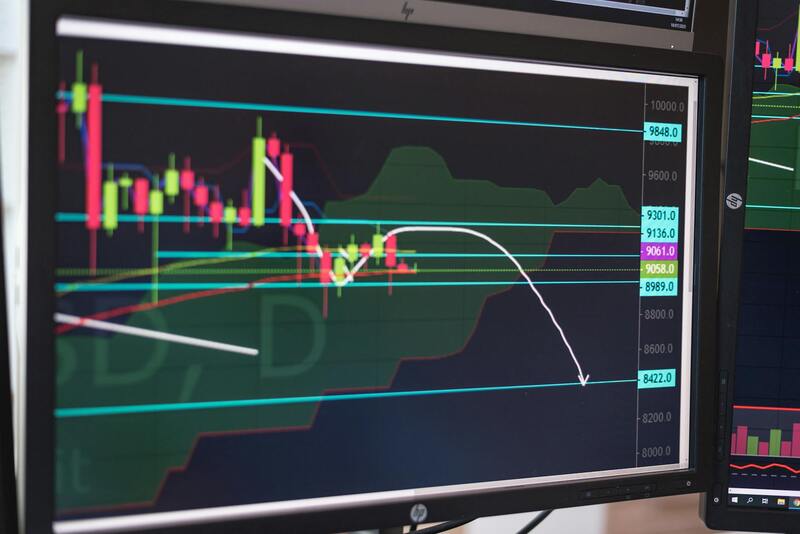
Overview of Forex Prop Trading Firms
Foreign exchange (forex) prop trading firms are specialized financial entities that provide traders with the opportunity to access significant trading capital beyond their personal funds. Unlike traditional retail trading, where individual traders operate their accounts independently, prop firms serve as intermediaries, facilitating trading activities by allocating institutional-level resources to skilled traders.
These firms are integral to the forex market as they help liquidity provision and market efficiency. They pool capital from investors or institutional backers and offer traders a platform to execute trades with leverage and substantial trading budgets. The contracts between traders and prop firms often involve profit-sharing schemes where traders earn a percentage of the profits generated from their trading strategies.
Core to their operation is the emphasis on rule-based trading and risk management. Prop trading firms typically implement strict evaluation processes to ensure traders adhere to specific risk parameters and trading methodologies. This professional approach distinguishes them from retail brokers and individual traders, aligning them more closely with institutional trading standards.
One of the defining features of forex prop trading firms is their ability to provide traders with leverage far beyond retail limits, allowing for larger position sizes and more dynamic trading opportunities. Furthermore, these firms often supply proprietary tools, technology, and research to enhance trader performance. The primary goal is to optimize trading strategies within a controlled environment to generate consistent profits while managing risks effectively.
Trading through a prop firm differs from retail forex trading primarily through the partnership element. Traders are typically required to pass an evaluation process that assesses their trading skills, risk management practices, and consistency. Once accepted, traders gain access to the firm’s capital, often significantly increasing their trading potential compared to standalone retail accounts.
By leveraging the resources and infrastructure of a forex prop trading firm, traders can experience the benefits of professional trading environments while maintaining the flexibility and independence of their own trading styles. The roles played by these firms continue to grow as the forex market expands, offering new opportunities for talented traders to scale their operations and enhance their trading careers through legitimate, well-established platforms.
How Prop Firms Operate in Forex Trading
Forex proprietary trading firms utilize a structured approach to enhance traders’ success while maintaining rigorous risk management standards. These firms operate by allocating capital to selected traders, allowing for substantial trading volumes that would be impractical with their personal funds. The core of their operational model revolves around providing a platform where skilled traders can execute trades using firm capital, aiming to generate consistent profits that benefit both parties.
In practice, a typical setup involves the trader adhering to specific risk parameters, such as maximum drawdowns, daily loss limits, and target profit levels. These parameters are embedded within advanced trading platforms tailored with the firm's proprietary or recommended tools. The firm continuously monitors trading activity through real-time analytics, ensuring that traders follow established risk management protocols. This oversight safeguards the firm’s capital while fostering a disciplined trading environment.
Operations typically begin with a rigorous evaluation phase where aspiring traders demonstrate their abilities. Upon successful completion of evaluation criteria—often involving a demo challenge or trading simulation—traders are granted access to funded accounts. These accounts vary in size depending on the firm's policies and the trader’s demonstrated skill level. Once authorized, traders can execute live trades, with profits shared according to predefined profit split arrangements. The firm’s infrastructure supports trader development through training, mentorship programs, and data analytics to refine strategies.
Risk management remains a fundamental component. Prop firms implement automated systems that flag any deviations from the set risk thresholds, automatically closing trades or freezing positions if necessary. The focus on disciplined risk control helps protect the firm's capital and ensures traders operate within sustainable limits. Over time, successful traders can access larger funds or participate in advanced scaling programs, fostering a pathway for career growth within the firm.
Furthermore, these firms often provide comprehensive trading support, including professional-grade technology, market research, and access to research tools that are typically available only to institutional traders. These resources enable traders to make informed decisions based on real-time data and technical analysis. As a result, traders benefit from improved precision and confidence, which can translate into higher profitability and more consistent trading results.
Legitimate operational models also emphasize transparency in profit sharing, clear performance tracking, and adherence to strict compliance standards. These elements help build a trustful relationship between the firm and traders, creating an environment conducive to professional growth. By combining effective risk management, resource support, and structured operational frameworks, forex prop trading firms serve as integral partners for ambitious traders seeking to elevate their trading careers with substantial capital backing and professional infrastructure.
Overview of Forex Prop Trading Firms
Forex proprietary trading firms, commonly known as prop firms, serve as pivotal entities in the retail trading landscape by providing traders with access to substantial capital. These firms operate as partnerships, offering skilled traders an opportunity to leverage larger funds than they might be able to access on their own. In essence, traders are granted the authority to execute trades on behalf of the firm, with profit sharing arrangements typically in place that reward successful trading strategies. This model eliminates the need for individual traders to risk their own funds, shifting the financial risk and reward system toward a structured, professional environment.

Within this framework, firms establish trading rules, risk management protocols, and evaluation procedures to identify and nurture talented traders. The primary goal is to optimize profit generation while adhering to risk controls that safeguard the firm's capital. These firms typically employ advanced technology, including automated trading systems and analytics tools, to ensure consistent monitoring and management of trading activities. Unlike retail traders operating with personal funds, prop traders operate under a structured environment that emphasizes discipline, adherence to trading plans, and rigorous performance evaluations.
Types of Prop Firm Trading Programs
Forex prop trading firms often categorize their programs based on trader experience, evaluation process, and funding structures. Common types include:
- Evaluation or Challenge Programs: These programs assess a trader’s skills through simulated trading challenges designed to test discipline, risk management, and profitability within predefined parameters. Successful traders earn the opportunity to manage real funds.
- Full-Funded Programs: Experienced traders or those who have passed evaluation stages are provided with substantial capital to trade. These programs often include tiered funding levels, allowing traders to scale their operations as they demonstrate consistent profitability.
- Scaling and Growth Programs: As traders build their track records, they gain access to larger accounts and more resources, facilitating increased profitability potential and career development within the firm.
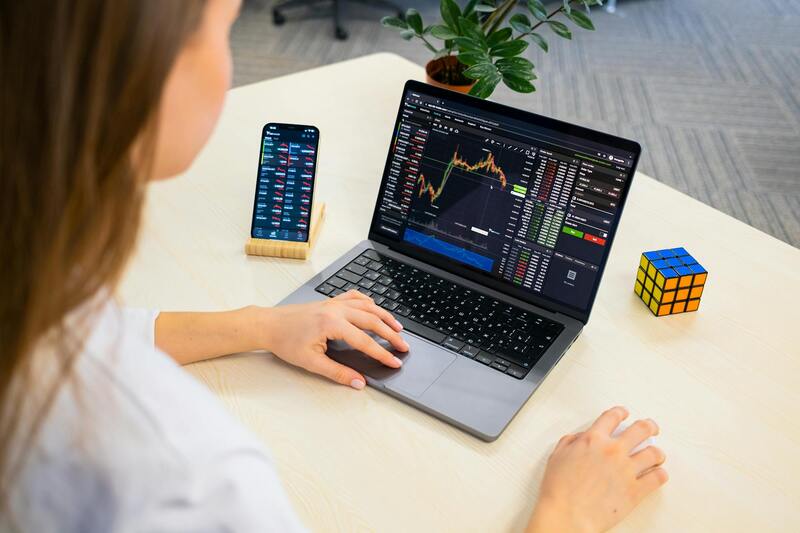
Operational models may vary, but all focus on rigorous performance evaluations, disciplined risk controls, and alignment of interests between traders and the firm. These models ensure that both parties work collaboratively toward mutual profitability and success.
How Forex Prop Firms Operate in Forex Trading
Forex proprietary trading firms operate under a structured framework that emphasizes consistent performance, disciplined trading practices, and strategic risk management. Unlike individual retail traders, prop firms provide traders access to significant capital, which amplifies both potential profits and risks. Their operational methodology revolves around carefully designed programs that evaluate trading skill, adherence to risk limits, and profitability over time.
The core of a prop firm’s operation is its evaluation process, where traders are tested through simulated or real trading challenges. Successful completion leads to funding, allowing traders to manage firm capital under specified terms. Throughout this process, strict guidelines govern trade execution, including maximum drawdowns, position sizes, and permissible trading hours, intended to ensure disciplined trading behavior.
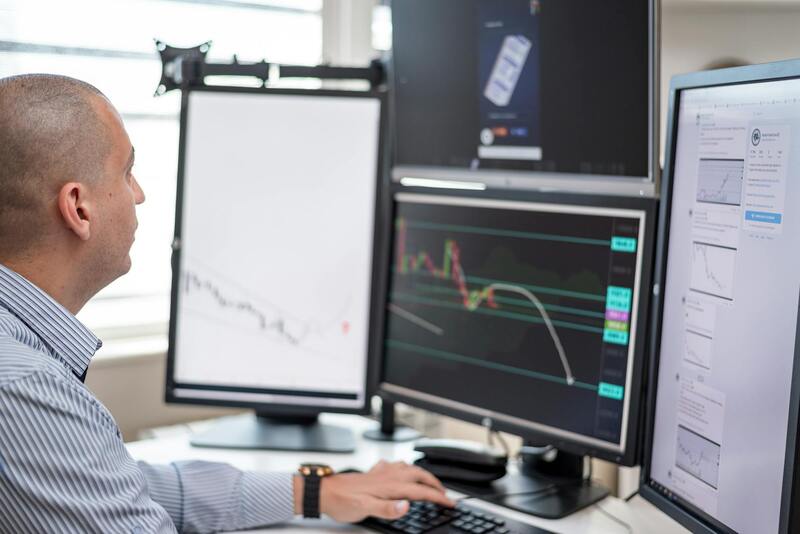
Most forex prop firms leverage advanced trading platforms integrated with real-time monitoring systems, enabling the firm’s management to oversee trading activity. These systems track traders’ decisions, adherence to risk controls, and overall performance, providing transparency and accountability. Regular performance reviews are conducted, helping traders refine their strategies and align with the firm's objectives.
The operational models differ depending on the program type and firm structure, but the overarching focus remains consistent: fostering a disciplined trading environment that balances risk and reward. For example, in evaluation programs, traders are assessed based on their ability to generate consistent returns within predefined risk parameters. In full-funded programs, traders are granted access to larger pools of capital, with clear scaling structures based on performance metrics.

Integration of Risk Management and Performance Monitoring
Risk management is embedded into all aspects of a prop firm’s operations to safeguard capital and ensure sustainable trading. Traders usually operate within strict risk limits, including daily loss caps and maximum position sizes, which are monitored continuously through sophisticated trading software. Violations of these parameters often result in automatic trade suspension or account review, enforcing accountability and discipline.
Performance data is aggregated and analyzed periodically, providing insights into trading patterns, profitability, and risk exposure. Such data-driven insights enable the firm to identify top-performing traders, tailor training programs, and fine-tune trading parameters to optimize overall profitability.
Transparency and Compliance
Reliable prop firms operate with a high level of transparency regarding their programs, funding structures, and performance expectations. They often publish comprehensive guidelines for traders, including detailed risk management protocols, trading strategies permissible under firm policies, and performance benchmarks. Consistent compliance with these standards ensures smooth operation and fosters trust between traders and the firm.
In addition to operational transparency, successful firms maintain a clear communication channel, providing feedback and ongoing support to help traders improve their skills and adapt to evolving market conditions. This collaborative approach enhances the overall effectiveness of proprietary trading programs, aligning the interests of traders with those of the firm for mutual success.
Benefits and Drawbacks of Forex Prop Trading Firms
Engaging with forex prop trading firms offers several key advantages that can significantly enhance a trader’s capacity to succeed in the competitive currency markets. One primary benefit is access to substantial trading capital, which allows traders to partake in larger position sizes than they might fund independently. This financial backing can amplify potential returns, enabling seasoned traders to maximize their strategies without the constraints of personal capital limits.
Another notable advantage lies in the comprehensive support systems provided by reputable prop firms. These include advanced trading infrastructure, sophisticated risk management tools, and professional mentorship programs. With such resources, traders can refine their techniques, adapt to changing market conditions more efficiently, and leverage proprietary technology for analytics and order execution. Many firms also offer educational resources, regular training seminars, and performance feedback, all of which contribute to continuous skill development.
Potential Limitations and Rules
Despite these benefits, trading within a prop firm environment involves adherence to strict guidelines designed to ensure risk control and operational integrity. Traders often operate under predefined trading limits, including maximum position sizes, leverage restrictions, and specific trading hours, all monitored through advanced software platforms. Violating these parameters typically results in immediate account review or suspension, emphasizing discipline and consistent compliance.
Additionally, profit-sharing arrangements are common, which means that traders do not retain all gains from their activities. While this incentivizes responsible trading, it also necessitates a clear understanding of the firm's payout structures and performance expectations. Moreover, the pressure to meet performance benchmarks can be intense, requiring traders to maintain high levels of discipline and focus under stress.
Some firms impose certain trading restrictions, such as prohibited strategies, specific risk management protocols, and mandatory trading logs. These measures, while restrictive, are crucial for maintaining overall portfolio health and safeguarding the firm’s capital pool. Traders must therefore balance aggressive strategies with adherence to these rules to sustain their eligibility and avoid penalties.
Ongoing Monitoring and Performance Evaluation
Performance data in forex prop trading is continuously collected and analyzed using integrated software tools. These systems track every trade, assessing profitability, risk-reward ratios, and compliance with firm policies. Periodic evaluations help identify traders with consistent performance, facilitating targeted training and potential advancement within the firm.
Transparency in evaluation metrics fosters a professional environment where traders understand the expectations and can track their progress clearly. Regular feedback sessions provide insights into trading behaviors, risk management practices, and areas for improvement, ultimately elevating the trader's skill set and contributing to the firm's long-term success.
Image Placeholder
Establishing Connections with Reputable Forex Prop Firms
Securing a position within a well-established forex prop trading firm requires strategic preparation and verification of the firm’s credentials. Aspiring traders should conduct thorough due diligence by assessing the firm’s history, transparency, and client feedback. Checking for memberships in industry associations or affiliations with recognized financial industry bodies can provide additional assurance of the firm’s integrity and operational standards.
Additionally, professional communication channels such as official email addresses, verified contact numbers, and clear, accessible management information are indicators of a legitimate operation. Prospective traders need to scrutinize the firm’s official website for comprehensive information about trading conditions, risk management policies, and trader support services. Only those firms that provide clear, detailed documentation of their procedures and policies merit serious consideration.

When engaging with a forex prop trading firm, aspiring traders often undertake a formal application process, which might include submitting personal identification, trading experience credentials, and passing an initial evaluation or testing phase. Such measures are designed to ensure the applicant’s familiarity with forex trading fundamentals and capability to adhere to the firm’s risk management protocols.
Assessing the Legitimacy and Operational Transparency of a Prop Firm
Assessments of operational transparency include reviewing the firm’s fee structure, payout policies, and the criteria for trader evaluation. Legitimate firms emphasize clarity in their contractual obligations, profit sharing agreements, and withdrawal procedures. They also maintain robust oversight and reporting systems, which facilitate real-time monitoring of trading activity and performance metrics.
Prospective traders should also examine the firm’s track record for consistency and the number of successful traders it has nurtured. Reputable companies tend to publish performance case studies or testimonials that demonstrate successful trading outcomes and ethical business practices.
Implementation of Strict Risk and Compliance Standards
Prop firms typically enforce strict adherence to risk management rules, including maximum drawdown limits, trading frequency, and allowable trading strategies. Adherence to these standards is usually monitored through automated systems and regular compliance checks. Traders are expected to maintain detailed trading logs, follow specific risk parameters, and report their activities transparently. Failing to comply with these standards can result in penalties or removal from the program, reinforcing the importance of disciplined trading behaviors.
There are also comprehensive training modules and ongoing educational resources designed to reinforce trader compliance and improve overall skill sets. These initiatives ensure a continuous learning environment, where traders stay informed about evolving market conditions and risk mitigation techniques.
Final Considerations for Traders
Choosing the right forex prop trading firm involves a critical assessment of its operational practices, financial arrangements, and support infrastructure. Traders should prioritize firms with a proven track record of transparency, fair profit distribution, and robust risk management systems. Establishing clear communication channels and understanding the firm’s policies thoroughly can significantly influence the overall trading experience and success rate in the forex markets.
Effective Strategies for Insider and Market Knowledge in Forex Prop Trading
Success in forex prop trading hinges on traders' ability to leverage detailed market insights and insider knowledge within the bounds of professional standards. Although outright insider trading, involving confidential information, remains professionally improper and unethical, traders can develop a competitive edge through rigorous analysis, disciplined research, and staying informed on market developments. Maintaining an up-to-date understanding of macroeconomic indicators, geopolitical events, and central bank policies enables traders to anticipate market movements more accurately.
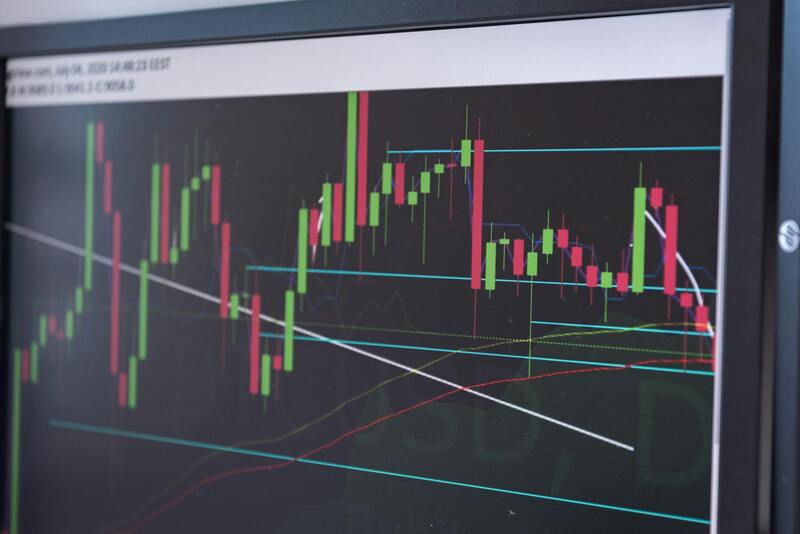
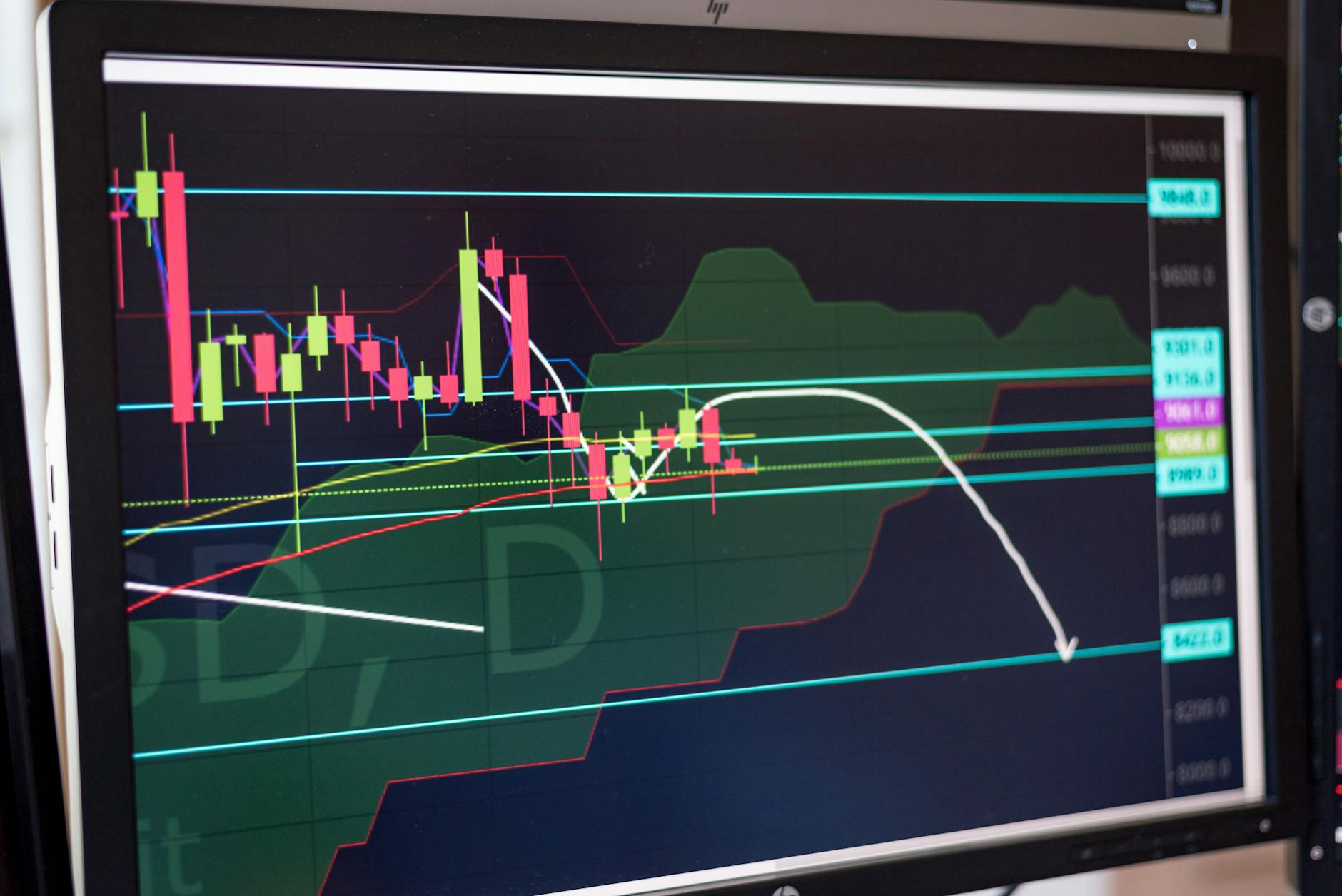
Seasoned traders often utilize a combination of fundamental analysis and technical analysis to inform their strategies. Fundamental analysis involves understanding economic indicators such as interest rates, employment data, inflation reports, and geopolitical tensions, which directly influence currency valuation. Technical analysis, on the other hand, analyzes charts, patterns, and trading volumes to identify entry and exit points. Employing sophisticated tools like candlestick patterns, moving averages, and Fibonacci retracements can significantly enhance decision-making processes.
Access to real-time news feeds and economic calendars is vital, enabling traders to react swiftly to market-moving events. Many prop firms provide their traders with premium analysis tools, proprietary research, and data feeds that improve situational awareness. Such resources help traders maintain an informational advantage while adhering to responsible trading practices.

Moreover, participating in webinars, workshops, and mentorship programs offered by reputable prop firms aids traders in refining their analytical skills. These educational initiatives often include case studies, market simulations, and risk management exercises, all designed to deepen market understanding and promote disciplined trading behavior. By fostering a culture of continuous learning and adaptation, traders can better anticipate market shifts and make data-driven decisions that align with the firm's risk parameters.
Ensuring Ethical Data and Information Use
Engaging with official market data sources and avoiding any form of illicit information exchange safeguards the integrity of trading activities. All trading decisions should be rooted in publicly available data, comprehensive analysis, and validated research. Adherence to these principles ensures compliance with standard industry practices and helps maintain a sustainable trading environment.

In summary, excelling in forex prop trading with the aid of insider market knowledge involves a disciplined approach centered on thorough research, real-time data utilization, and ethical practice. Building a professional toolkit that combines fundamental insights, technical skills, and responsible data handling equips traders to navigate the complexities of forex markets successfully within legitimate operational frameworks.
Effective Strategies for Successful Forex Prop Firm Trading
Achieving consistent profitability within a forex prop trading environment hinges on the implementation of disciplined, well-researched strategies. Given the structured nature of prop firm operations, traders must focus on refining their approaches to align with firm-specific risk management protocols and trading objectives. One foundational aspect involves mastering risk management techniques that prioritize capital preservation while maximizing profitable opportunities.
Fundamental Analysis
Fundamental analysis plays a critical role in understanding the macroeconomic factors influencing currency movements. Successful traders dedicate time to monitoring economic indicators, geopolitical events, and monetary policy shifts, which often serve as catalysts for significant market volatility. By interpreting these data points effectively, traders can position themselves advantageously ahead of major market moves, increasing the likelihood of favorable outcomes.
Technical Analysis
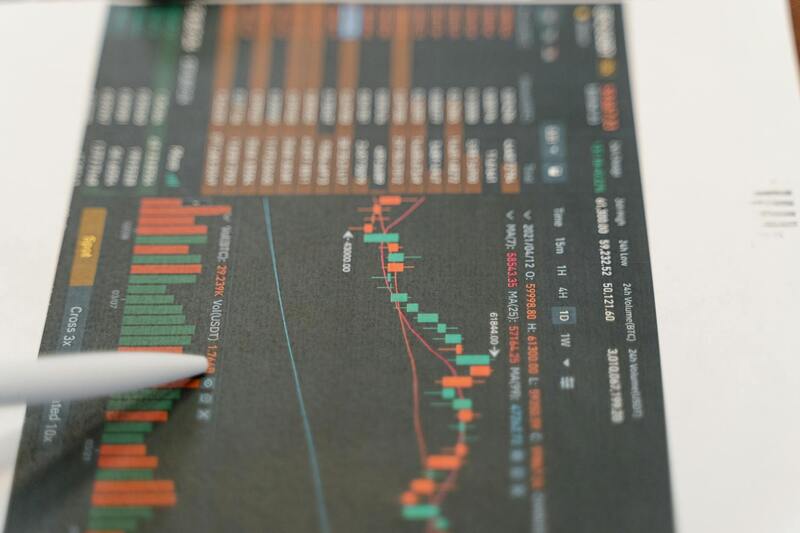
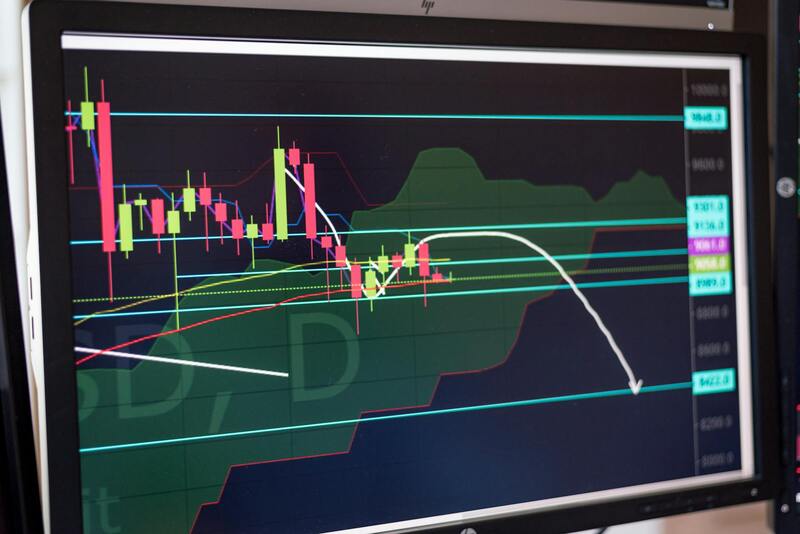
Leveraging technical analysis tools enhances decision-making by identifying entry and exit points based on historical price patterns and market momentum. Using a combination of chart patterns, candlestick formations, and technical indicators, traders can develop precise trade setups. Consistently applying technical discipline helps in maintaining trading consistency, especially within the rules set by prop firms.
Trade Management and Discipline
Effective trade management includes setting appropriate stop-loss and take-profit levels, as well as adhering to risk-reward ratios. Prop firm traders must exhibit discipline in sticking to their predefined plan, avoiding impulsive decisions driven by market emotions. Regular review of trading performance, coupled with journaling trades, fosters continuous improvement and helps identify areas for refinement.
Adopting a Data-Driven Approach
Data-driven decision making involves utilizing high-quality market data sources to inform trading choices. Utilizing verified economic calendar events, real-time quotes, and news feeds ensures traders base their actions on reliable information. This disciplined approach minimizes reliance on speculation and supports more predictable trading results.
Advanced Trading Techniques
In addition to primary strategies, incorporating advanced techniques such as algorithmic trading, pattern recognition, and automation can provide competitive advantages. These methods allow traders to execute trades systematically, reducing emotional biases and improving response times to market changes. Given the technological infrastructure of many prop firms, proficiency in these areas can significantly enhance overall trading efficiency.
Ongoing Education and Market Adaptability
Continuous learning remains essential amidst the evolving landscape of forex markets. Participating in webinars, workshops, and mentorship programs enables traders to stay updated with the latest tools, techniques, and regulatory considerations. Adapting strategies in response to market developments ensures sustained performance and aligns with the dynamic nature of forex trading environments.
Maintaining Ethical and Professional Standards
Adhering strictly to ethical trading practices and transparent operations upholds the integrity of forex prop trading. Traders should always employ verified data, respect market regulations, and avoid any form of information misuse. Such practices not only safeguard individual careers but also contribute to the overall stability of the trading ecosystem.