Understanding Forex Prop Trading Firms
Forex proprietary trading firms, commonly known as prop firms, are specialized entities that provide traders with access to trading capital in exchange for a share of the profits generated. Unlike individual traders operating independently, prop firms serve as platforms that facilitate the trading activities of skilled professionals and aspiring traders by offering resources, capital, and sometimes mentorship. These firms play a significant role within the forex industry, bridging the gap between individual trading talent and substantial trading capital.
Operating within a structured environment, forex prop firms typically establish clear guidelines, risk management protocols, and profit-sharing arrangements to ensure sustainable growth for both the firm and its traders. Through these mechanisms, prop firms aim to leverage the expertise of traders while minimizing potential losses and maximizing profitability. The core advantage for traders affiliated with a prop firm is access to larger trading capital than they might personally afford, enabling them to execute larger positions and pursue more ambitious trading strategies without risking their own funds.
Many established prop firms have a rigorous evaluation process, often called a trading challenge or assessment, to identify and onboard talented traders. This process ensures that only disciplined, skilled, and consistent traders are authorized to trade on behalf of the firm with its capital. This collaborative approach fosters an ecosystem where traders can focus on honing their skills while benefiting from the firm's infrastructure, resources, and risk management systems.

The Role of Forex Prop Firms in the Industry
- Capital Provision: Providing traders with the necessary financial resources to execute larger trades.
- Risk Management: Implementing protocols that limit losses and protect the firm's capital.
- Trader Development: Offering training, mentorship, and evaluation to nurture trader growth.
- Market Access: Facilitating traders’ participation in the forex markets with advanced technology and data tools.
Overall, forex prop firms serve as vital intermediaries that enable talented traders to operate at higher levels, while managing risks effectively. Their structured models and resources support sustainable profitability and growth within the dynamic forex trading environment.

Developing a Prop Firm Business Plan
Creating a comprehensive business plan is a fundamental step in establishing a successful forex prop firm. This plan serves as a roadmap, guiding your objectives, operational strategies, financial projections, and growth initiatives. To begin, clearly delineate your target market—whether you plan to focus on novice traders, experienced traders, or a specific trading niche. Understanding your audience helps tailor your offerings, including funding programs, training, and technological resources.
Next, define your revenue model. Typically, profit-sharing arrangements form the core income, where traders keep a percentage of their earnings, and the firm earns a commission or a portion of the profits. Establishing transparent profit-sharing terms early on fosters trust and aligns incentives between your firm and traders.
Operational policies should cover trading rules, risk management protocols, trader evaluation criteria, and compliance procedures. These policies ensure consistency and discipline across your trading activities. Implementing a robust risk management framework to monitor trading activity, limit maximum drawdowns, and control leverage is essential in safeguarding your capital and maintaining a sustainable operation.

Additionally, it is vital to outline the technological infrastructure needed for smooth operations. This includes trading platforms, data feeds, risk management software, and communication tools. Investing in reliable and scalable technology enhances trader performance and operational efficiency.
Financial planning is another crucial component — estimate startup costs, such as licensing, technology setup, legal expenses, and initial capital reserves. Project revenue streams based on trader fees or profit-sharing arrangements, and establish cash flow management strategies. Periodic review and adjustment of your financial plan will help accommodate market changes and growth opportunities.
Recruitment strategy is equally important. Define clear criteria for selecting talented traders, whether through assessments, prior trading performance, or interviews. Consider implementing a trial or evaluation phase to identify traders who align with your firm's risk tolerance and trading philosophy.
Marketing efforts, including building an online presence and establishing credibility through educational content or trader testimonials, will support your firm’s visibility and attract skilled traders. Networking within trading communities and partnerships with educational institutions can also help expand your reach.
Finally, ensure your business plan incorporates compliance measures and legal considerations aligned with jurisdictional requirements. This proactive approach helps streamline licensing and regulatory approvals and reduces potential operational disruptions.

Understanding Forex Prop Trading Firms
Establishing a forex proprietary trading (prop) firm involves a comprehensive understanding of its operational framework, risk management strategies, and capital management. Core to a prov firm’s success is a robust approach to trader evaluation and portfolio development, which ensures that only traders with proven competence and suitable risk profiles are permitted to trade the firm's capital. Implementing strict trading guidelines and risk limits helps preserve the firm's capital while allowing traders to strive for profitability within defined parameters.
It is essential to develop a scalable management structure capable of monitoring multiple traders simultaneously, utilizing advanced trading platforms and analytical tools for real-time performance analysis. These systems should facilitate transparent reporting, detailed audit trails, and risk assessment, which are critical for maintaining compliance and operational integrity. Moreover, establishing clear performance targets and reward systems motivates traders to perform optimally, fostering a culture of accountability and continuous improvement.

Key Components of a Forex Prop Firm
Launching a successful forex prop firm requires attention to several vital components that collectively shape the enterprise’s foundation and growth trajectory.
- Trader Recruitment and Evaluation: Establishing a strategic approach to attract skilled traders involves assessing their past trading performance, risk management skills, and trading discipline. Conducting rigorous interviews, trial periods, and simulated trading assessments ensures alignment with the firm’s risk appetite and trading style.
- Capital Allocation and Risk Management: Implementing strict risk limits, position sizing rules, and stop-loss protocols safeguards the firm's capital. Regularly reviewing trader activity and implementing automated risk controls minimizes potential losses and promotes long-term sustainability.
- Funding and Profit Sharing: Developing transparent profit-sharing arrangements and fee structures ensures fair compensation and incentivizes traders to perform at their best, while also maintaining profitability for the firm.
- Compliance and Documentation: Adhering to governing laws and maintaining proper documentation concerning trading activities, client agreements, and operational procedures streamline licensing and audits. Having a comprehensive compliance framework minimizes operational risks and enhances credibility in the industry.
- Operational Infrastructure: Investing in reliable trading platforms, data feeds, cybersecurity measures, and communication tools is fundamental for smooth operations. Continuous technology upgrades and support help manage increasing trade volumes and trader management complexities.
- Marketing and Community Engagement: Building a credible brand through targeted marketing campaigns, educational content, and engagement within trading communities attracts high-caliber traders and fosters a trusted reputation.

Legal and Regulatory Considerations
Starting a forex prop firm involves navigating a complex landscape of legal and regulatory requirements designed to ensure responsible trading operations. While the specifics can vary depending on the jurisdiction, establishing a clear understanding of applicable licensing, registration procedures, and compliance frameworks is essential for operational integrity and sustainability.
Initial steps often include registering the business with relevant financial authorities or regulatory agencies that oversee financial services and trading activities. This process usually involves submitting detailed organizational documents, proving financial stability, and demonstrating adherence to operational standards. Engaging legal counsel experienced in financial regulation can streamline the process, ensuring all filings are accurate and complete.
Another vital aspect is compliance with anti-money laundering (AML) and know your customer (KYC) regulations. Implementing robust client verification protocols not only helps in preventing illicit activities but also enhances the firm's credibility. Developing comprehensive policies for data security and client privacy further reinforces compliance and builds trust among traders and regulators alike.

Most jurisdictions require licensing procedures that specify minimum capital requirements, operational conduct, and reporting obligations. Obtaining necessary licenses often entails periodic audits and demonstrating ongoing compliance through meticulous documentation of trading activities, risk management practices, and financial transactions.
Documentation and Record-Keeping
Maintaining precise records of trades, client interactions, and financial transactions is critical for transparency and accountability. Proper documentation facilitates internal audits and simplifies any external reviews or inquiries. It also helps in responding swiftly to regulatory checks, thereby avoiding potential penalties or operational disruptions.
Risk Management and Internal Controls
Implementing internal controls that monitor trading activity and enforce compliance policies is vital. Automated risk management tools can flag suspicious activities, track trader performance, and ensure adherence to trading limits. These measures support ongoing regulatory compliance and safeguard the firm’s reputation.
Continuous Compliance and Legal Updates
Regulatory landscapes are dynamic, often evolving with new legislation, technological advancements, and market developments. Staying informed through industry updates, legal advisories, and professional associations ensures that the firm adapts proactively to new requirements, minimizing compliance risks.
By prioritizing these legal and regulatory considerations, a forex prop firm can establish a resilient operational framework that not only meets current standards but also promotes growth through trustworthy and transparent practices.
Official Methods to Start a Forex Prop Firm
Establishing a reputable forex proprietary trading firm involves a series of well-defined steps grounded in proven, official methods. Each phase requires thorough research, strategic planning, and adherence to best practices to build a sustainable operation. The process begins with comprehensive market analysis to identify industry trends and potential niches. This informs decisions related to business structure, target clientele, and operational scope.

Proceeding from initial planning, entrepreneurs should focus on acquiring the necessary licensing and certifications that align with industry standards. Some jurisdictions offer specific licenses for financial services firms, which may include forex trading operations. Engaging with regulatory bodies and legal experts ensures that all operational aspects comply with existing laws and guidelines, creating a solid foundation for legitimacy and trustworthiness.
Building a Robust Business Infrastructure
Setting up a reliable infrastructure is crucial for smooth and compliant operations. This encompasses selecting secured trading platforms, data management systems, and risk control tools. Selecting the right technology providers involves verifying their credentials and experience in facilitating licensed forex trading activities. Ensuring cyber security measures are in place is also vital for protecting sensitive client and firm information from malicious threats.
Creating a Transparent and Accountable Trading Environment
Procurement of compliant trading software and tools allows the firm to monitor all trading activities effectively. Maintaining transparent processes and clear records of all transactions is essential for building confidence with clients and regulators alike. This transparency supports audits and ensures the firm can demonstrate ongoing compliance and operational integrity.
Engaging with Industry Associations and Professional Networks
Participation in industry groups and associations provides access to updated regulatory information, best practices, and networking opportunities. This engagement helps the firm stay informed about changes in trading standards and compliance requirements, which can be integrated into internal policies proactively. Collaboration with experienced professionals further enhances operational robustness and reputation.
Applying for Proper Registration and Licensing
Official registration with relevant financial authorities solidifies the firm’s status and underpins its operational rights. This process typically involves submitting detailed business plans, proof of capital adequacy, and documentation of risk management procedures. Securing the necessary licenses enables the firm to operate legally and gain the trust of clients, investors, and partners.
Implementing Continuous Education and Compliance Monitoring
Ongoing training for staff on industry standards and compliance practices mitigates risks and promotes ethical trading. Establishing internal audit routines and compliance checks ensures continuous adherence to operating standards, fostering a culture of accountability. Regular updates on regulatory changes, coupled with training refreshers, are indispensable for maintaining high standards of integrity and operational excellence.
By following these structured, official approaches, aspiring entrepreneurs can effectively start and sustain a forex prop trading firm that is built on principles of compliance, transparency, and professional integrity. This foundation not only facilitates growth but also lays the groundwork for a reputable presence within the forex trading community.
Securing Financial Resources and Capital Allocation
Establishing a forex prop trading firm requires substantial initial capital, not only for operational expenses but also for meeting regulatory standards and maintaining sufficient risk buffers. Typically, the firm’s founders or investors contribute the primary funding, which is allocated towards trading capital, technological infrastructure, compliance, licensing fees, and marketing efforts. It is crucial to develop a comprehensive financial plan that outlines the amount of capital needed, how it will be allocated, and strategies for securing additional funding if necessary.
To ensure sustainable growth, it is essential to maintain transparent financial records and adhere to prudent capital management practices. This involves setting aside reserves for unforeseen circumstances and ensuring liquidity to support daily trading activities. Proper financial planning enhances credibility with investors and stakeholders, facilitating future capital raising opportunities.

Building a Skilled Team
The foundation of a successful prop trading firm hinges on assembling a proficient team. This includes experienced traders who can deliver consistent performance, compliance officers to oversee adherence to relevant standards, and technical staff responsible for maintaining trading platforms and infrastructure. Additionally, recruiting skilled risk managers and analysts can help optimize trading strategies and minimize losses.
Hiring process should be meticulous, emphasizing proven track records, technical expertise, and understanding of market dynamics. Continuous professional development and training programs are vital to keep the team updated on market trends, risk management techniques, and compliance procedures.

Establishing Operational Procedures and Policies
Clear, comprehensive operational procedures form the backbone of a reliable forex prop trading enterprise. These procedures encompass trading protocols, risk management policies, internal audit routines, and client onboarding processes. Transparency in operations ensures consistency, fosters trust, and supports regulatory compliance.
Specific policies should include risk limits per trader, maximum drawdown thresholds, and procedures for handling adverse trading conditions. Regularly reviewing and updating these policies ensure they evolve with market developments and regulatory updates.
Implementing Risk Management Frameworks
Effective risk management is fundamental for safeguarding the firm’s capital and maintaining sustainability. This involves establishing strict risk controls such as maximum allowable losses, stop-loss orders, and real-time monitoring of trading activities. Advanced risk management software can facilitate early detection of anomalies and help enforce risk parameters.
Regular stress testing of trading strategies and scenario analysis enhances preparedness against unpredictable market movements. Educating traders on risk awareness and discipline further curtails reckless trading behaviors that could jeopardize the firm’s stability.
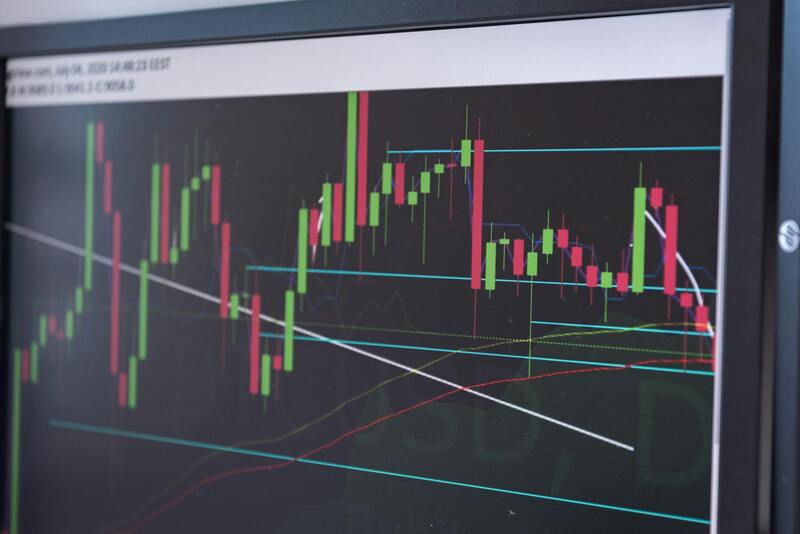
Step 7: Establishing the Operational Foundation of Your Forex Prop Firm
Launching a successful forex prop trading enterprise hinges on the strategic setup of its operational foundation. This involves meticulous planning around the core functions that keep the firm running smoothly, ensuring compliance, and fostering a professional environment conducive to trader success. The process begins with structuring the organization’s internal workflows, establishing detailed policies, and deploying robust technological solutions tailored to the specific needs of proprietary trading businesses.
Designing Efficient Trading Operations
Operational efficiency is critical for managing multiple traders and handling high volumes of transactions. This requires implementing standardized procedures for daily activities, such as trade execution, order management, and trade reconciliation. Establishing clear communication channels between traders, compliance officers, and management ensures timely feedback and swift resolution of issues.
Employing integrated trading platforms with customizable dashboards helps monitor trading activities in real-time. These platforms facilitate seamless order execution, risk tracking, and data analysis, giving the firm the agility needed to adapt quickly to market shifts. Additionally, automation of routine tasks reduces human error, speeds up processes, and allows traders to focus on strategy development.
Comprehensive Policy Development
Developing detailed operational policies safeguards the firm’s integrity and promotes consistency. These policies should clearly outline trading protocols, risk controls, trader eligibility criteria, and disciplinary measures. For example, setting specific maximum drawdown levels per trader prevents excessive losses, while defined trade authorization procedures maintain oversight.
Transparency through well-documented policies fosters trust among traders and staff, setting expectations upfront. Regular reviews and updates to policies align internal practices with evolving market conditions and regulatory frameworks, ensuring the firm remains competitive and compliant.
Technology Infrastructure and Security Measures
The backbone of a resilient forex prop firm is its technological infrastructure. High-performance servers, encrypted data channels, and reliable connectivity minimize downtime and protect sensitive information. Implementing cybersecurity measures, such as firewalls, intrusion detection systems, and data encryption, protects against cyber threats and unauthorized access.
Additionally, deploying backup systems and disaster recovery plans ensures business continuity in case of technical failures. Integrating these solutions with trading platforms and data management systems streamlines operations and reinforces the firm’s reputation for stability and professionalism.
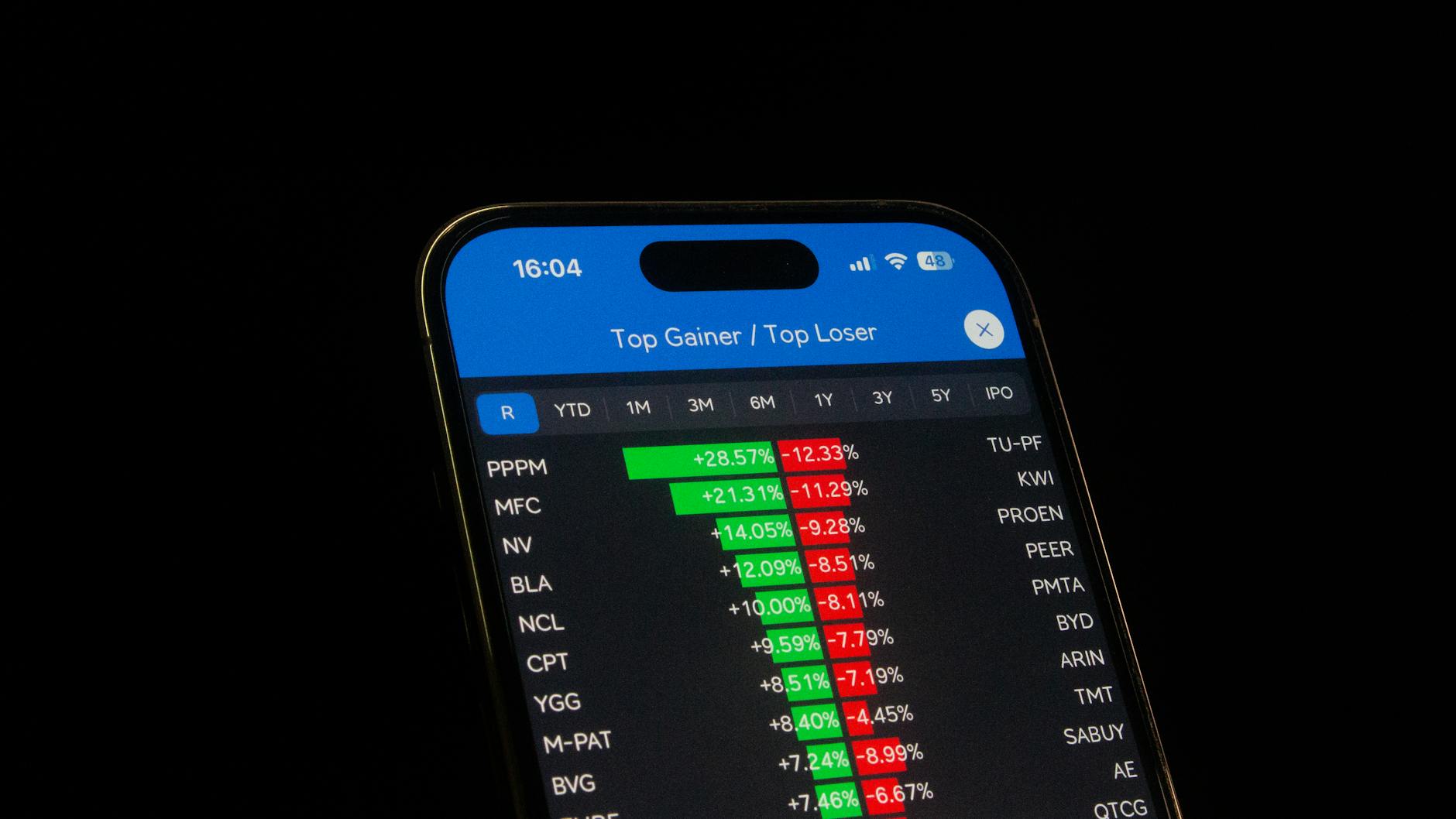
Staffing and Training
Staffing your forex prop firm with experienced professionals in compliance, technology, and trading operations is fundamental. Providing ongoing training on trading strategies, risk management, and compliance policies helps maintain high standards and reduces operational errors. Skilled staff can also identify process improvements and contribute to strategic growth initiatives.
Auditing and Compliance Monitoring
Establishing routine internal audits ensures adherence to policies and uncovers operational inefficiencies. Regular compliance checks maintain the firm’s record of integrity and help avoid potential regulatory issues. Utilizing audit management software and maintaining transparent logs creates accountability, which is vital for long-term success.
Starting a Forex Prop Firm: Final Steps and Strategic Growth
Establishing a successful forex proprietary trading firm is an intricate process that extends beyond initial setup, requiring continuous strategic development and adherence to operational standards. Once the foundational elements such as technology, staffing, and compliance measures are solidified, focus shifts toward driving growth, managing risks, and maintaining a competitive edge in the dynamic forex landscape.
Implementing Robust Risk Management Protocols
Effective risk management forms the cornerstone of ongoing prop firm operations. Developing comprehensive risk mitigation strategies involves setting clear trading limits, continuous monitoring of live trading activities, and employing advanced analytics to assess trading performance. Regular review and adjustments ensure that the firm is protected against volatility spikes and market anomalies, safeguarding both the firm's capital and the traders’ interests.

Building a Competitive Edge
In a competitive environment, differentiation is key. This can be achieved through a combination of cutting-edge technology, innovative trader incentives, and superior training programs. Offering competitive reward structures aligned with performance metrics motivates traders to perform at their best while fostering a culture of professionalism and accountability. Coupled with continuous technological upgrades, these initiatives help your firm stay ahead of industry trends, attract top talent, and retain high-performing traders.
Strategic Marketing and Relationship Management
Growing a forex prop firm also involves strategic outreach and relationship nurturing. Building a reputation for transparency, reliability, and trader support attracts a steady stream of talented traders seeking reputable platforms. Engaging in targeted marketing campaigns and participating in industry events enhances visibility within the trading community. Maintaining open communication channels and providing ongoing support reinforce trader loyalty and foster a sustainable growth cycle.
Leveraging Data and Analytics for Expansion
Data-driven decision-making underpins successful scaling. Collecting and analyzing performance data allows the firm to identify emerging market trends, assess trader performance patterns, and optimize trading strategies. Advanced analytics tools facilitate better forecasting, risk assessment, and resource allocation. As the firm grows, integrating artificial intelligence and machine learning can refine trading algorithms and automate routine compliance checks, boosting efficiency and profitability.
Maintaining Ethical Standards and Transparency
High standards of ethics and transparency cultivate trust with traders, partners, and regulatory bodies. Transparent reporting practices, fair trading conditions, and clear communication about risk and reward align with a professional approach that enhances brand reputation. Establishing a strong corporate governance framework ensures that operational integrity remains central as the firm scales, reducing potential conflicts and reinforcing investor confidence.
Investing in Continuous Education and Innovation
The forex market's fast-paced nature necessitates ongoing education for both management and traders. Offering seminars, workshops, and access to market research helps traders adapt to market changes proactively. Staying updated with technological innovations, regulatory shifts, and trading best practices enables the firm to evolve sustainably. Innovation in trading tools, risk management solutions, and customer engagement strategies positions the firm for long-term success.