Definition of Prop Tech in Forex Trading
Prop tech, short for proprietary technology, has become increasingly integral in the landscape of forex trading. Within this context, it refers to specialized technological solutions, platforms, and software that are developed and utilized by proprietary trading firms to facilitate, streamline, and enhance their trading operations. These innovations are designed to provide traders with advanced analytical tools, algorithmic trading capabilities, risk management systems, and seamless access to global markets.
In the forex industry, prop tech encompasses a broad spectrum of digital assets and systems such as trading algorithms, Automated Trading Systems (ATS), and data analysis tools that allow traders to make better-informed decisions. These technologies support the core function of prop trading firms: leveraging capital to generate profits through strategic and efficient trading activities.
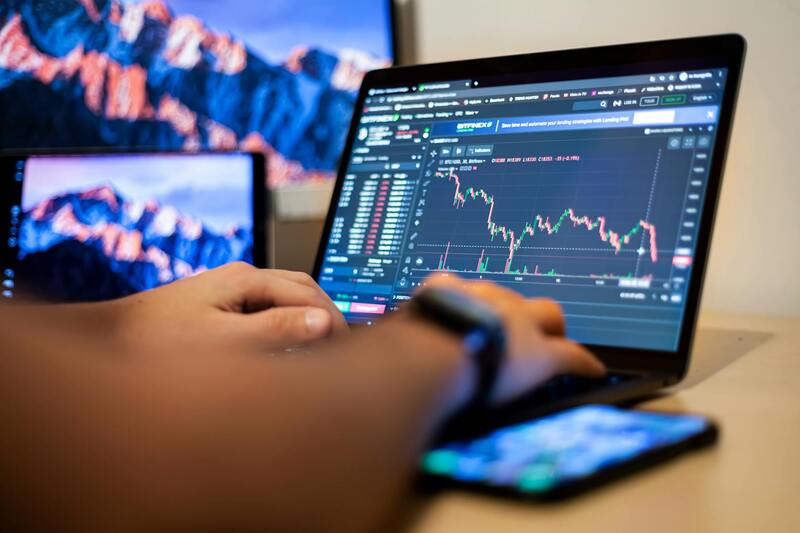
Proprietary trading firms operate by deploying capital that they either own or raise from external investors, aiming to profit from Forex markets' volatility and liquidity. Prop tech's role is crucial in providing these firms with competitive advantages—including faster trade execution, real-time market insights, and sophisticated risk controls. By harnessing proprietary algorithms, firms can execute trades at speeds and accuracies beyond manual trading capabilities, ultimately increasing potential profitability while managing operational risks effectively.
Moreover, the concept of prop tech extends to the development of internal platforms that foster collaborative trading environments, facilitate compliance, and optimize resource allocation. These systems are continuously refined through data analysis and user feedback to improve performance and responsiveness in a highly dynamic market environment.
Understanding prop tech in forex trading requires familiarity with key terminology such as algorithmic trading, quantitative analysis, backtesting software, and risk management systems. Each element plays a vital role in supporting traders in executing high-frequency trades, managing positions efficiently, and adapting swiftly to market changes.
As forex markets evolve with increasing complexity, proprietary firms lean heavily on cutting-edge technology to sustain their competitive edge. From advanced charting tools to machine learning-based predictive models, the integration of innovative prop tech solutions continues to shape the future of proprietary trading in the forex industry.
Definition of Prop Tech in Forex Trading
Prop technology, often referred to as prop tech within the forex trading sphere, encompasses the advanced software, hardware, and data-driven systems that proprietary trading firms utilize to enhance their trading operations. These technologies are designed to automate and optimize various aspects of trading, from strategy execution to risk management, allowing firms to operate with increased efficiency and precision.
At its core, prop tech in forex trading involves the deployment of sophisticated algorithms and predictive models that analyze vast datasets to identify potential trading opportunities. These systems are capable of executing trades at lightning-fast speeds, often well beyond human capacity, thereby capturing fleeting market movements. They also incorporate machine learning techniques to refine strategies based on historical performance, enabling adaptive responses to evolving market conditions.
One of the essential components of prop tech in forex trading is the development of internal trading platforms. These platforms serve as the nerve center for traders and automated systems, providing real-time market insights, order execution capabilities, and comprehensive risk controls. The design of these platforms emphasizes high reliability, low latency, and user-friendly interfaces to support seamless trading operations.
Another significant element is the use of analytics and data visualization tools that help traders and risk managers monitor market trends, analyze trading performance, and make informed decisions swiftly. These tools enable firms to detect patterns, assess the effectiveness of trading strategies, and adjust parameters proactively, fostering continuous improvement.
Key Components of Prop Tech in Forex
- Algorithmic Trading Systems: Automate trades based on predefined rules, reducing human error and increasing speed.
- Quantitative Analysis Software: Employs statistical models to identify trading opportunities and optimize strategies.
- Risk Management Tools: Monitor exposure levels and enforce compliance with risk limits automatically.
- Backtesting Platforms: Test strategies against historical data to evaluate potential profitability before deployment.
- Connectivity Infrastructure: Ensures rapid and stable connections to various forex liquidity providers and exchanges.
Implementation of prop tech solutions requires meticulous calibration to align with specific trading philosophies and operational goals. The ongoing refinement of these systems, based on quantitative feedback and market analysis, is crucial for maintaining a competitive edge.
By leveraging these advanced technological tools, forex proprietary trading firms can execute trades more efficiently, adapt swiftly to market dynamics, and effectively manage operational risks. As technology continues to evolve, the integration of machine learning, artificial intelligence, and big data analytics promises to further revolutionize the landscape of prop trading in forex markets.
Technology and Tools Used in Forex Prop Trading
Implementing sophisticated technology forms the backbone of successful forex prop trading operations. These firms leverage a variety of advanced tools designed to optimize trading efficiency, improve decision-making, and mitigate risks. The integration of these systems allows traders to operate at speeds and precisions unattainable through manual means, creating a significant competitive advantage within the market landscape.
One foundational component is the use of algorithmic trading systems. These automated programs execute trades based on complex mathematical models and predefined parameters, removing emotional bias and ensuring consistency. Algorithmic strategies can react to market fluctuations within milliseconds, capitalizing on fleeting opportunities that manual trading might miss.
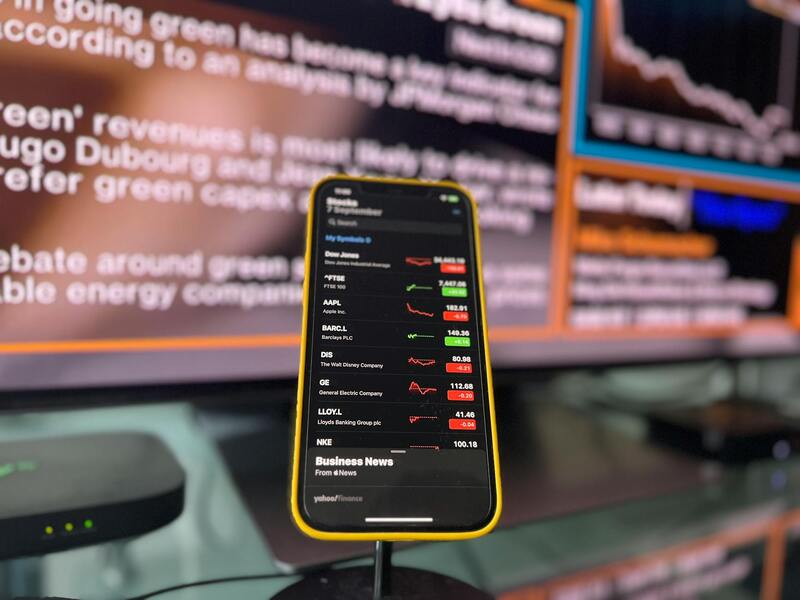
Additionally, quantitative analysis software plays a pivotal role. These platforms utilize statistical and mathematical techniques to analyze historical and real-time data, uncover potential patterns, and generate signals for profitable trades. Traders and analysts rely on these insights to refine strategies and enhance their market understanding.
Risk management is integral to maintaining sustainability in prop trading. Modern risk management tools provide real-time monitoring of exposure levels across multiple accounts and strategies. They automatically enforce pre-set risk limits, preventing overexposure that could lead to significant losses. These systems may include features such as stop-loss algorithms, margin alerts, and automated hedging strategies.

Backtesting platforms are another essential part of the tech arsenal. They allow traders to evaluate the performance of trading strategies against historical data before deploying them live. This process helps identify potential weaknesses, optimize parameters, and improve overall strategy robustness. Effective backtesting reduces the risk of unforeseen losses during live trading.
Connectivity infrastructure is equally vital. Prop firms invest in high-speed, low-latency connections to liquidity providers, exchanges, and data feeds. This reliable connectivity ensures traders can execute orders swiftly and without disruption, which is critical in volatile markets where milliseconds can determine profitability.
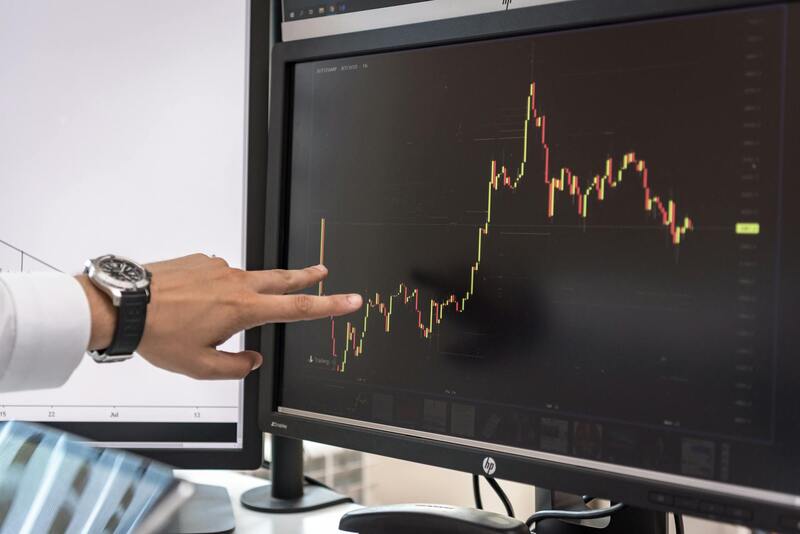
Modern forex prop trading firms continuously refine their technological systems through ongoing testing, calibration, and updates. Incorporating machine learning and artificial intelligence is increasingly common, enabling predictive analytics and adaptive strategies that evolve with changing market conditions. The ability to analyze vast datasets in real-time offers insights that enhance strategic decision-making and profitability.
Overall, the suite of tools deployed by prop trading firms ensures not only the efficient execution of trades but also a proactive approach to risk, strategy development, and market adaptation. These technological advancements are the key drivers behind the ability of prop firms to stay competitive in the fast-paced world of forex trading.
Understanding the Methods of Legitimacy in Forex Prop Trading
When evaluating forex proprietary trading firms, discerning legitimate methods of operation is essential for traders and investors alike. Such firms adopt several transparent and verifiable approaches to establish their credibility and operational soundness within the industry.
Adherence to Regulatory Frameworks and Standards
Forex prop trading firms often operate within clearly defined frameworks that comply with established industry standards. This includes rigorous internal controls, transparent trading protocols, and detailed record-keeping that can be independently verified. Firms committed to transparency maintain comprehensive documentation of trading activities, risk management policies, and financial disclosures, which serve to reassure traders of their commitment to fair practices.
Verification of Capital and Funding Sources
Trustworthy prop firms openly disclose their capital reserves, funding sources, and partnership arrangements. These disclosures provide insight into the firm’s financial stability and operational capacity. Many firms employ third-party audits or external assessments to validate their capital adequacy, ensuring that their financial backing is solid and capable of supporting ongoing trading activities.
Implementation of Robust Risk Management Systems
Reliable firms utilize sophisticated risk management tools that monitor trading activity, enforce strict risk limits, and conduct regular stress testing. These systems are designed to mitigate exposure to market volatility and prevent excessive losses, with detailed logs maintained for audit purposes. The transparency of risk controls and compliance procedures is a key indicator of a firm’s legitimacy.
Verification Procedures and Trader Onboarding
Legitimate firms tend to implement thorough vetting processes for new traders, which include identity verification, experience assessment, and understanding of trading policies. Clear, accessible onboarding guidelines and regular communication channels reinforce the firm’s commitment to building a trustworthy trading environment.
Use of Secure and Transparent Trading Platforms
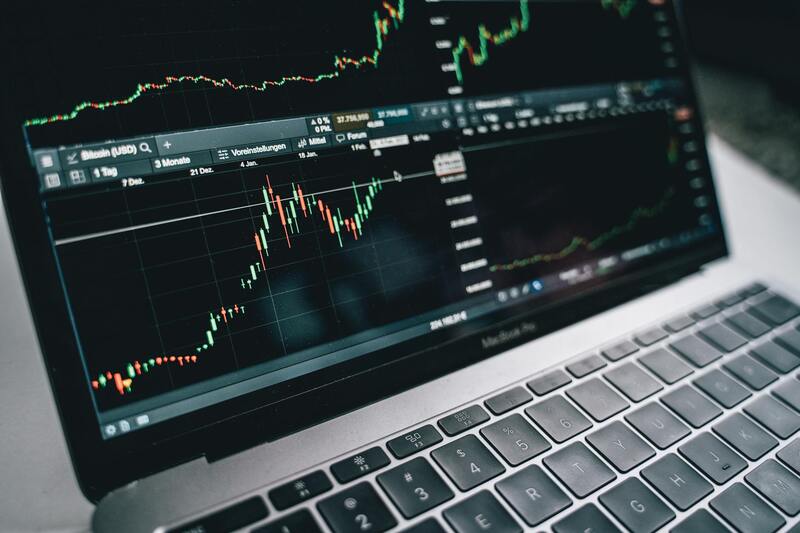
The technology infrastructure supporting legitimate forex prop firms emphasizes security and transparency. Platforms are typically regulated and maintained by reputable providers, equipped with detailed audit trails that record all trading activity. This traceability is crucial for verifying execution accuracy and ensuring compliance with operational standards.
How Traders Can Identify Trusted Firms
- Research and verify any publicly available disclosures about the firm's operational history and management team.
- Look for independent reviews or testimonials from current or former traders.
- Confirm that the firm employs standardized risk management and compliance procedures.
- Verify the transparency of the firm’s trading and financial data, including audit reports or third-party assessments.
- Assess the quality and security features of the trading platform used by the firm.
Understanding the Key Methods to Verify and Engage with Authentic Forex Prop Trading Firms
For traders considering partnership with a forex prop trading firm, thorough verification of the firm's operational practices is essential. Genuine firms prioritize transparency through clear disclosure of operational policies, confirmation of regulatory adherence, and use of advanced security measures for their trading infrastructure. These practices help in distinguishing reputable firms from less transparent counterparts, ensuring traders can operate confidently within a secure environment.
Methods to Identify Trustworthy Forex Prop Trading Firms
To identify legitimate firms, traders should adopt a comprehensive approach that includes a variety of verification procedures:
- Review Official Disclosures: Analyze the firm's public disclosures about its history, management team, and operational framework. Firms that prioritize transparency will often provide detailed information about their founding, leadership, and compliance measures.
- Assess Independent Feedback: Seek out reviews or testimonials from current or former traders. Authentic feedback can reveal insights into the firm's daily operations, support quality, and overall trader satisfaction.
- Verify Risk Management and Compliance Procedures: Ensure the firm employs standard risk controls and adheres to consistent operational practices. This includes clear policies on leverage, drawdowns, and trade execution standards.
- Examine Financial Transparency: Look for the availability of audit reports, third-party assessments, or financial statements that attest to the firm’s stability and integrity.
- Analyze Trading Platforms and Security Measures: Evaluate the trading technology used. Reputable firms utilize platforms that feature detailed audit trails, real-time monitoring, and security protocols that protect client data and trading activity.
Operational Safeguards and Technology Infrastructure
Ensuring the security and integrity of trading activity is paramount. Legitimate firms invest in high-grade infrastructure—employing regulated and reputable trading platform providers. These platforms typically incorporate features such as:
- Encrypted data transmission to safeguard sensitive information
- Regular security audits to identify vulnerabilities
- Real-time trade monitoring and audit trails for transparency
- Advanced risk management tools and alerts to prevent excessive losses
By integrating these security measures, firms reinforce trustworthiness and operational resilience, providing traders with a reliable environment to execute strategies effectively.
Hard Data and Verification Resources
Some of the most definitive ways to validate a firm’s operational legitimacy include requesting access to:
- Audit reports indicating compliance with industry standards
- Third-party assessments verifying operational controls and platform security
- Details on how client funds are managed and safeguarded

Ensuring a Secure and Trustworthy Trading Relationship
Engaging with a forex prop trading firm requires a meticulous approach focused on transparency, operational integrity, and technological robustness. By conducting detailed research, reviewing independent feedback, verifying financial and operational disclosures, and assessing platform security features, traders can establish a foundation of trust rooted in tangible evidence. Prioritizing these methods not only safeguards investments but also fosters a professional environment conducive to strategic trading and growth.
Understanding the Methods to Verify the Operations of Forex Prop Trading Firms
When engaging with a forex prop trading firm, it is crucial to ensure that the company's operations are transparent, well-structured, and adhere to established standards. Traders and investors should rely on official and verifiable sources of information to ascertain the firm's credibility. Several specific strategies can be employed to assess the legitimacy of a forex prop trading entity, which go beyond mere claims and are grounded in tangible evidence.
Access to Formal Documentation and Records
One of the most reliable ways to validate a firm's operational integrity is by requesting and reviewing comprehensive documentation. These include:
- Audit Reports: Detailed reports prepared by independent auditors that verify compliance with industry frameworks and internal controls.
- Operational Certificates: Documents indicating registration, licensing, or compliance with recognized standards, which serve as official attestations of legitimacy.
- Financial Statements: Transparent and periodically updated financial disclosures that reflect the firm’s financial health and fund management practices.
Engaging with Third-Party Evaluations
Independent assessments from third-party evaluators provide an unbiased perspective on a trading firm’s practices and controls. Key evaluations include:
- Assessment Reports: Reviews conducted by reputable industry bodies or certification agencies that analyze platform security, operational procedures, and risk management protocols.
- Credential Verification: Confirmations from external bodies that validate the firm’s adherence to best practices and relevant standards.
Monitoring Transaction and Trade Histories
Transparency in daily operations can often be affirmed by examining transaction logs and trade histories. Firms that maintain comprehensive, securely stored audit trails demonstrate a commitment to accountability. Traders should look for:
- Real-Time Trade Monitoring: Access to dashboards or reports showing live trading activities and order flow, which helps verify operational transparency.
- Historical Data Access: Availability of past trade data that can be reviewed and cross-checked for consistency and adherence to disclosed trading practices.
Verification of Fund Management and Security Measures
Fund handling procedures are a vital aspect of operational authenticity. Traders should seek out official explanations or documentation detailing how client funds are:
- Segregated: Held separately from firm’s operational capital, reducing the risk of misappropriation.
- Safeguarded: Managed with security protocols and insurance policies that mitigate losses from potential breaches or insolvencies.
- Audited Regularly: Subjected to periodic reviews by independent agencies to reaffirm compliance and safety.
Engaging with Verified Peer Feedback and Testimonials
While anecdotal comments alone are not sufficient, verified feedback from reputable sources, industry forums, and existing traders provides insights into the operational integrity and responsiveness of a forex prop trading firm. Official channels or verified review platforms should be considered to gather genuine and unbiased experiences.
Leveraging Digital Footprints and Public Records
Web presence and digital footprints can also serve as supplementary evidence of legitimacy. Official websites, press releases, and industry mentions on recognized platforms add an extra layer of verification, especially if they include contact details, licensing information, and detailed descriptions of operations.
Technology and Tools Used in Forex Prop Trading
In the realm of forex proprietary trading, the technological infrastructure forms the backbone of daily operations and strategic decision-making. These firms rely on an array of advanced software solutions, trading platforms, and analytical tools designed to enhance trading precision, speed, and risk management. The deployment of cutting-edge technology not only streamlines execution but also allows traders to implement sophisticated strategies with real-time data and insights.
One of the foundational components is the use of professional trading platforms, which provide traders with access to live forex markets, a suite of analytical tools, and automated trading capabilities. Popular platforms such as MetaTrader 4 and MetaTrader 5 are favored for their stability, customization options, and vast community support. Their automation features enable traders to develop and deploy Expert Advisors (EAs), which are algorithmic trading systems designed to execute trades based on predefined criteria, minimizing emotional biases and improving consistency.
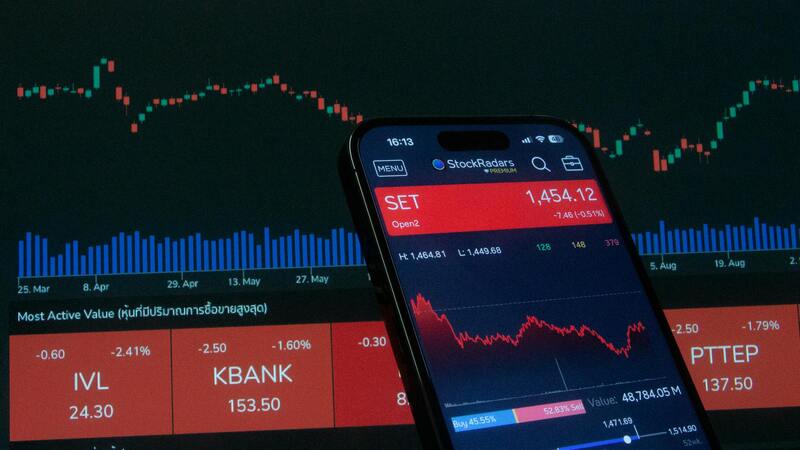
Beyond main trading terminals, specialized analytical software plays a critical role. These tools incorporate technical analysis indicators, charting modules, and pattern recognition algorithms that help traders identify optimal entry and exit points. Additionally, risk management software ensures positions are within set parameters, automatically closing trades that exceed predefined loss limits.
Moreover, many forex prop trading firms implement sophisticated backtesting environments. These systems allow traders to evaluate new strategies using historical data, refining their approach before applying it to live markets. Cloud-based solutions are increasingly incorporated to facilitate remote trading and collaboration, ensuring seamless access and data security across global teams.
Security and compliance are also prime considerations in the technological setup. Firms utilize encrypted communication channels, multi-factor authentication, and secure data storage to protect sensitive information and client funds. Regular software audits and updates are mandatory to patch vulnerabilities and maintain operational integrity.
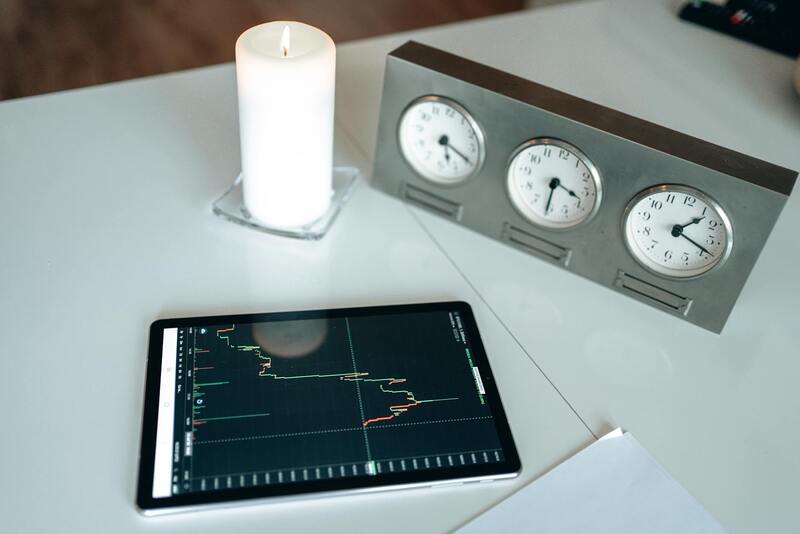
In summary, the integration of advanced trading platforms, analytical tools, automation processes, and security measures constitute the core technological framework that supports efficient forex prop trading activities. Staying abreast of emerging technologies and continuously upgrading existing systems remain crucial for maintaining a competitive edge and ensuring sustainable growth within the industry.
Technological Advancements and Best Practices in Forex Prop Trading
As proprietary forex trading firms continue to evolve, the adoption of innovative technologies and adherence to proven operational strategies play a critical role in maintaining competitive advantage and operational stability. Firms that prioritize advanced technological infrastructure and strategic compliance foster environments that optimize trader performance, secure transactions, and facilitate sustainable growth.
Adoption of Cutting-Edge Trading Platforms
Leading firms invest heavily in state-of-the-art trading platforms that offer high-speed execution, customizable interfaces, and extensive analytical capabilities. These platforms integrate real-time data feeds, charting tools, and algorithmic trading functionalities, empowering traders to make informed decisions quickly. Cloud-based platforms are increasingly favored for their scalability and remote access, enabling a distributed team of traders and analysts to operate seamlessly across multiple locations.

Utilization of Proprietary and Third-Party Analytical Tools
Successful firms leverage a combination of in-house developed analytical tools and trusted third-party solutions. These tools facilitate pattern recognition, statistical analysis, and predictive modeling that enhance trading strategies. Automated models analyze vast data sets to identify potential entry and exit points, reducing human error and emotional bias. Combining multiple analytical layers assists traders in optimizing risk/reward ratios and enhances overall decision-making processes.
Automation and Algorithmic Trading
Automation plays a vital role in competitive forex prop trading. Firms employ sophisticated algorithms capable of executing trades based on pre-defined criteria instantaneously. These systems can adapt to changing market conditions, entering or exiting positions within milliseconds to capitalize on fleeting opportunities. Properly calibrated algorithms, coupled with continuous performance monitoring, streamline execution and significantly improve profit margins.
Robust Risk Management and Security Measures
Effective risk management techniques are integrated into the technological fabric of forex trading firms. Automated risk controls monitor exposure levels, limit orders, and stop-loss settings to protect capital. Additionally, firms implement multi-layered cybersecurity protocols, including encrypted communications, multi-factor authentication, and regular security audits. These measures safeguard sensitive financial data, trading strategies, and client information from potential threats, thereby fostering trust and stability.
Embracing Data-Driven Decision Making
The reliance on big data analytics enables firms to tailor strategies based on comprehensive market insights. Historical data analysis, sentiment analysis, and macroeconomic trend evaluation help traders understand market dynamics more thoroughly. By making data-driven adjustments, firms can enhance responsiveness and adapt faster to market shifts, reducing vulnerability to unpredictable events.
Training and Continuous Education Technologies
Firms invest in virtual training programs, simulation environments, and ongoing educational resources for traders. These technologies facilitate skill enhancement, strategy testing, and performance evaluation without risking real capital. Continuous learning ensures traders remain adept at utilizing new tools and adapting to evolving market landscapes, which is key to sustained success in forex prop trading.
Looking Ahead: Future Technological Trends
The ongoing development of artificial intelligence and machine learning models promises to revolutionize forex trading by enabling even more accurate predictions and autonomous decision-making. Additionally, integrating blockchain technology could enhance transparency and security in transaction processing. As these innovations mature, licensed and well-established firms will likely incorporate them into their operations, reinforcing their competitive positioning and client confidence.