What is Prop Tech? An In-Depth Look at the Prop Trading Industry

Prop technology, commonly referred to as prop tech within the trading community, represents the innovative application of technological solutions to enhance and streamline proprietary trading operations. Proprietary trading firms, or prop firms, utilize their own capital to actively trade financial markets with the aim of generating profits, rather than managing client assets. The integration of sophisticated software, data analytics, and automation tools defines the essence of prop tech, elevating traditional trading strategies into highly efficient, scalable systems.
In the context of the forex market, prop tech serves as a cornerstone for modern trading practices. It enables firms to execute trades with greater precision, access extensive market data in real-time, and implement algorithmic strategies that adapt swiftly to market movements. The industry’s reliance on cutting-edge technology emphasizes its role in maintaining competitive advantage, managing risk more effectively, and optimizing trading performance.
Emergence and Evolution of Prop Tech
The evolution of prop tech is closely aligned with advancements in digital infrastructure, data science, and computational power. Early on, proprietary traders relied heavily on manual analysis and instinctive decision-making. Today, digital platforms and software solutions automate and refine these processes, reducing human error and allowing for high-frequency trading capabilities.
The ongoing development of artificial intelligence, machine learning, and cloud computing continues to shape the landscape of prop tech. These innovations facilitate sophisticated back-testing of trading algorithms, real-time risk assessment, and seamless integration of various data sources, thus enabling prop firms to operate efficiently and adapt to rapid market changes.

This technological advancement not only enhances trading effectiveness but also opens new horizons for operational scalability. Smaller firms can access tools previously limited to larger institutions, democratizing participation and fostering innovation in trading techniques.
Overall, prop tech stands at the intersection of finance and technology, serving as a catalyst that propels the proprietary trading industry into a new era of precision, speed, and strategic insight. Its influence is evident across all facets of the trading lifecycle, from pre-trade analysis to post-trade performance review. As technology continues to evolve, so too will the capabilities and scope of prop trading firms, shaping the future of global financial markets.
Types of Prop Trading Firms in the Forex Market
In the forex trading industry, proprietary trading firms (prop firms) vary significantly in structure, operational focus, and scale. Understanding these differences is essential for traders considering participation or for entrepreneurs aiming to establish a firm. Broadly, these firms can be categorized into several distinct types based on their operational models and strategic objectives.
Independent Proprietary Trading Firms
These firms operate autonomously, focusing exclusively on their trading strategies and capital deployment. They typically develop internal trading algorithms, employ in-house traders, and manage risk with proprietary risk management tools. Independent prop firms often invest heavily in technology infrastructure to optimize their trading activities and seek high-frequency trading opportunities that require advanced algorithmic strategies.

Partnered or Collaborative Prop Firms
Some firms operate through partnerships, pooling capital from external investors or other trading entities. These collaborations facilitate shared risk management and diversified trading strategies. Their operational focus often involves combining multiple expertise areas, such as fundamental analysis and technical trading, to enhance profitability.
Fractional or Shared Capital Firms
This model involves multiple traders sharing a common pool of capital managed collectively by the firm. Traders are usually evaluated based on their performance, with capital allocated proportionately to successful traders. Such arrangements enable smaller traders to access larger trading pools and leverage advanced technology platforms without needing extensive capital themselves.
Forex Prop Firms with Training Programs
Another category includes firms that combine trading with training and mentorship services. These firms recruit aspiring traders, provide comprehensive education, and gradually introduce them to live trading environments. The primary goal is to develop skilled traders who can contribute to firm profitability while benefiting from structured support and risk management frameworks.
Technology-Driven Proprietary Firms
With the expansion of prop tech innovations, a segment of firms heavily relies on cutting-edge technology systems, such as AI-powered trading algorithms, data analytics, and cloud-based platforms. These firms prioritize automation, speed, and data-driven decision-making to gain a competitive edge in the highly volatile forex markets. Their operation models focus on continuous technological upgrades to adapt swiftly to market dynamics.
Hybrid Models
Many firms blend elements from the above types, adopting hybrid operational structures to optimize strengths. For instance, a firm might combine algorithmic trading with human oversight, or integrate training programs within a technology-driven environment. This approach allows for flexibility, innovation, and diversified revenue streams, accommodating a broad range of trading styles and risk appetites.
Each type of prop trading firm poses unique operational challenges and opportunities. From managing technological infrastructure to navigating risk and compliance, the structural choices influence how firms develop their trading strategies, attract traders, and scale their operations. For traders and investors alike, comprehending these distinctions facilitates better decision-making aligned with their goals and risk tolerance.
Funding and Evaluation Processes
Successful operation in the realm of prop trading hinges on rigorous funding and evaluation methodologies. These processes serve as the foundation for identifying qualified traders, allocating capital, and ensuring profitability aligns with set risk parameters. Typically, the process begins with traders submitting detailed trading histories and strategies, which are scrutinized by firm's risk management teams. The evaluation phase includes simulated trading assessments, where traders demonstrate their ability to execute strategies effectively under real market conditions without risking initial capital.
Paramount to these evaluations are consistent performance metrics such as risk-adjusted returns, drawdown levels, and trading discipline. Firms utilize advanced analytic tools to monitor adherence to risk limits, trading consistency, and adaptability to market changes. Only traders who meet specific benchmarks within the evaluation period are granted access to funded accounts; this approach ensures that capital is entrusted to those with proven competency.
Further, many prop firms employ tiered funding models, where traders gradually receive larger capital allocations as they advance through performance milestones. This progressive funding fosters a meritocratic atmosphere, incentivizing traders to hone their skills and adhere strictly to risk protocols.
Funding and Evaluation Processes in Forex Prop Trading Firms
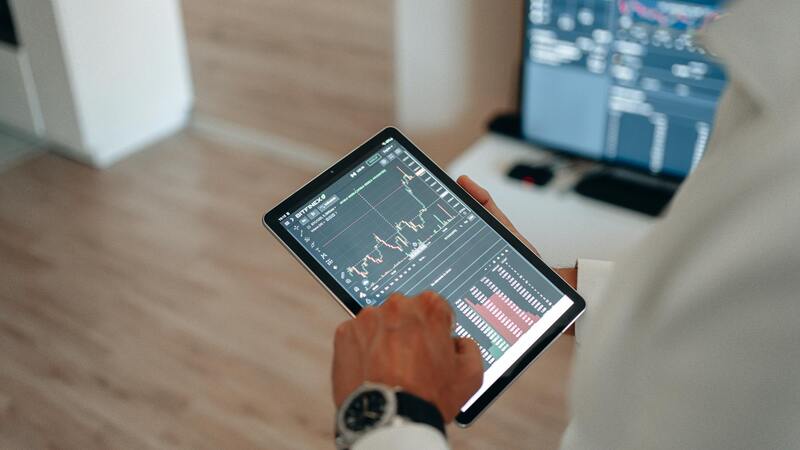
To ensure a consistent level of expertise and performance among traders, forex proprietary trading firms implement rigorous funding and evaluation processes. These procedures are designed to identify highly capable traders and provide them with the necessary resources to maximize their trading potential while safeguarding the firm's capital. The evaluation stage typically involves a series of structured challenges and performance assessments, which serve as benchmarks for traders aiming to demonstrate their skills.
One common method employed by many firms is the trading challenge, a predefined set of rules that traders must adhere to while demonstrating their ability to generate profits within acceptable risk parameters. These challenges often include specific profit targets, drawdown limits, and trading timeframes. Success in these challenges allows traders to progress to funded accounts, where they can trade with real capital provided by the firm. This process not only filters out less consistent traders but also fosters a Meritocratic culture that rewards skill and discipline.
Funding phases are carefully managed to balance opportunity with risk control. Traders who prove themselves through initial evaluations typically start with smaller capital allocations, with the potential to scale up as they meet ongoing performance benchmarks. Progressive funding models incentivize traders to maintain high standards of risk management. As traders demonstrate consistent profitability and adherence to risk guidelines, they may receive larger trading accounts, enabling them to leverage larger positions and enhance their earning potential.
Below are the key components of the typical evaluation process:
- Initial Trading Challenge: Traders must meet profit targets within a specified risk limit, adhering to the firm’s trading rules.
- Performance Monitoring: Throughout the challenge, all trades are tracked to assess consistency, risk management, and profitability.
- Scaling and Funding: Successful traders are granted access to funded accounts, with increasing capital based on sustained performance.
- Ongoing Evaluation: Continuous performance monitoring allows for early identification of traders who excel and those who may need additional oversight or training.

Automated systems play an essential role in these processes by providing real-time analytics and ensuring traders operate within predefined risk parameters. These technological tools facilitate seamless evaluation while maintaining transparency and fairness across the board. The combination of strict performance metrics, continuous monitoring, and advanced technology creates an environment where talented traders can thrive under controlled risk conditions, thereby fostering a sustainable and high-performance trading culture.
Technology's Role in Prop Trading
Advancements in technology have revolutionized the way proprietary trading firms operate within the forex market. Cutting-edge trading platforms and software provide traders with more sophisticated tools for analysis, execution, and risk management. Automated trading systems, known as algorithms or expert advisors, enable traders to execute high-frequency trades with precision and speed unattainable by manual trading. These systems help in identifying market opportunities based on predefined criteria, thus optimizing trading strategies and minimizing emotional biases.
Moreover, real-time data feeds and analytical software empower traders to make more informed decisions, enhancing their ability to adapt to dynamic market conditions. Prop trading firms heavily rely on advanced charting tools, backtesting software, and order management systems to streamline operations and uphold high standards of performance assessment. These technological integrations not only improve accuracy but also facilitate continuous performance tracking, essential for the evaluation processes in prop trading environments.

Another significant advancement is the use of risk management software, which automatically monitors trading activities within set parameters. This ensures traders operate within acceptable risk levels, and any deviations are promptly flagged for review. These tools collectively help firms maintain a disciplined approach to trading, reduce operational risks, and establish transparent performance metrics.
Benefits and Risks of Prop Trading
Prop trading offers substantial advantages, including access to sizable trading capital, the opportunity to employ diverse trading strategies, and the potential for significant profit sharing. Traders benefit from predefined funding arrangements, which allow them to leverage larger positions than their personal capital would permit. Additionally, the collaborative environment of prop firms fosters continuous learning and skill development, which are critical for sustained success.
However, this environment also possesses inherent risks. The high-pressure setting can lead to aggressive trading behaviors that might increase exposure to market volatility. Traders must rigorously adhere to risk management guidelines; otherwise, substantial losses could occur that threaten the firm’s capital and the trader's career progression. The competitive nature of prop trading places importance on consistent performance and discipline, emphasizing the need for robust evaluation and ongoing oversight.

Implementing comprehensive training programs and employing a disciplined trading framework can mitigate these risks. By combining technological tools with solid risk controls and continuous oversight, prop trading firms aim to strike a balance between opportunity and safety, fostering an environment where skilled traders can thrive without undue exposure to excessive risk.
Funding and Evaluation Processes
Secure funding is a pivotal element in the operation of a proprietary trading firm. Typically, traders are subjected to a structured evaluation process designed to assess their skill levels, risk management capabilities, and overall trading performance. This process often comprises multiple stages, including simulated trading accounts, trial periods, and real trading accounts with predetermined criteria for success. During evaluation, traders must demonstrate consistency in profitability, adherence to risk parameters, and strategic discipline.
Many firms adopt a transparent scoring system that measures traders based on key performance indicators such as drawdown rates, profit targets, and trade frequency. Achieving certain benchmarks within designated timeframes can unlock access to fully funded accounts. The evaluation phase aims to identify traders who can effectively manage risk while generating continuous profits, ensuring that the firm's capital is deployed efficiently and safely.

This process also often involves ongoing monitoring and periodic assessments, which help the firm decide whether a trader should be granted larger capital allocations or additional leverage. Some firms employ advanced analytics and algorithmic tools to analyze trading data in real-time, aiding in decision-making and risk mitigation. Ultimately, the goal is to foster a trading environment where talent can be cultivated, evaluated accurately, and rewarded proportionally to performance. Proper funding procedures ensure that only qualified traders handle significant capital, aligning their incentives with the firm’s overall risk appetite.
Starting and Operating a Forex Prop Trading Firm
Launching a forex proprietary trading firm requires a systematic approach that combines strategic planning, robust infrastructure, and compliance measures. Initial steps include establishing a clear business model that defines how traders will be recruited, evaluated, and funded. It is essential to develop or acquire advanced trading platforms, risk management tools, and data analytics systems to facilitate smooth operations.
Recruiting skilled traders involves marketing the firm’s opportunities extensively and creating a rigorous evaluation framework. Once traders are funded, the focus shifts to ongoing performance monitoring, risk controls, and continuous training. Maintaining transparency and a strong operational infrastructure helps ensure consistency in trading activities and adheres to industry standards.
Legal and Administrative Considerations
Running a prop trading firm also entails addressing licensing requirements, establishing clear contractual agreements with traders, and setting policies that define trading limits, profit-sharing arrangements, and dispute resolution mechanisms. Implementing comprehensive compliance frameworks protects the firm’s assets and fosters trust among traders and stakeholders.
Effective management of trading capital, transparency in operations, and adherence to best practices are fundamental to sustaining growth and reputation in the competitive landscape of prop trading. As the industry evolves, integrating innovative technological solutions and refining evaluation methodologies contribute to maintaining a competitive edge while safeguarding firm assets.
Technology's Role in Prop Trading
Advancements in technology serve as the backbone of modern proprietary trading firms, particularly within the forex market. Sophisticated software platforms enable traders to execute strategies with precision and speed, leveraging real-time data analytics and automated trading algorithms. These technological tools not only streamline trading operations but also enhance risk management and decision-making processes.
In addition to trading platforms, risk assessment systems allow firms to monitor exposure levels dynamically, adjusting parameters to mitigate potential losses swiftly. Modern data analytics facilitate detailed performance reports, helping traders and managers identify strengths and areas for improvement. Artificial intelligence (AI) and machine learning algorithms are increasingly integrated to predict market movements, providing an edge in volatile forex environments.
Security measures are critical in safeguarding sensitive data and trading infrastructure. Encrypted communication channels, multi-factor authentication, and robust cybersecurity protocols protect firm assets and maintain operational integrity. Cloud computing solutions offer scalability and remote access capabilities, allowing teams to collaborate efficiently across geographical boundaries.

Furthermore, innovative developments in blockchain technology are starting to influence the trading landscape, offering transparent transaction records and reducing settlement times. Data fusion from various sources enables comprehensive market insights, aiding traders in making informed decisions amidst the fast-paced forex market.
Ongoing technological innovation not only optimizes trading activities but also enhances compliance capabilities, enabling firms to adhere to evolving regulatory standards effortlessly. The integration of comprehensive CRM systems improves trader relations and streamlines onboarding, evaluation, and training processes, fostering a professional environment conducive to sustained growth.

Final Considerations and Future Outlook for Prop Tech in Forex Trading
As the landscape of proprietary trading continues to evolve, the role of advanced technological solutions becomes increasingly significant. Firms are leveraging cutting-edge tools not only to enhance operational efficiencies but also to gain competitive advantages in a highly dynamic market environment. Innovations such as artificial intelligence, machine learning, and blockchain are setting new standards in data analysis, trade execution, and transparency, fundamentally transforming how trading operations are conducted.
Looking forward, several key trends are poised to shape the trajectory of the prop trading industry:
Emergence of Artificial Intelligence and Machine Learning
- Enhanced Predictive Analytics: AI-powered algorithms analyze vast datasets to identify subtle patterns and market signals that may elude human traders, facilitating smarter decision-making.
- Automated Trading Systems: Machine learning models continuously adapt based on live market data, enabling fully automated trading strategies that execute with high speed and precision.
- Risk Management Improvements: Advanced models dynamically assess risk levels and adjust trading parameters, reducing exposure during volatile periods.
Integration of Blockchain for Transparency and Settlement
- Secure Transactions: Blockchain technology offers immutable records of transactions, reinforcing data integrity and trust within the trading ecosystem.
- Faster Settlements: Distributed ledger systems reduce settlement times, contributing to more efficient capital allocation and operational workflows.
- Enhanced Compliance: Transparent record-keeping supports regulatory reporting requirements, streamlining compliance processes.
Cloud-Based Infrastructure and Remote Collaboration
- Scalable Resources: Cloud platforms enable firms to expand their computing power and storage capacities on-demand, aligning infrastructure with market needs.
- Global Access: Traders and analysts can access vital tools and data from anywhere, ensuring seamless collaboration across dispersed teams.
- Cost Efficiency: Cloud solutions reduce capital expenditure on hardware and maintenance, allowing firms to reallocate resources towards innovation and growth.
The Evolving Skill Sets and Talent Acquisition
- Technical Expertise: Future success hinges on attracting talent skilled in data science, cybersecurity, and software development tailored to trading applications.
- Continuous Training: Ongoing education programs are essential to keep teams abreast of the latest technological advancements and market strategies.
- Interdisciplinary Collaboration: Integrating insights from finance, technology, and data analytics enhances decision-making and innovation within firms.

As technological innovations continue to accelerate, prop trading firms that adopt and adapt to these changes are better positioned to navigate market complexities and capitalize on emerging opportunities. Staying ahead requires a strategic focus on integrating newer tools, continuously refining trading strategies, and maintaining robust operational frameworks that support sustained growth in the competitive forex industry.