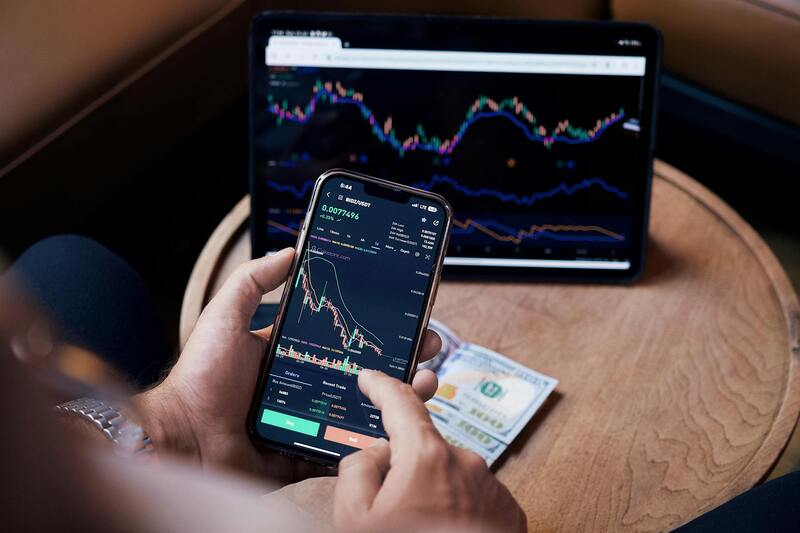
Definition and Scope of the Prop Tech Market in Forex Trading
The proprietary trading (prop trading) sector within the forex industry has experienced a significant transformation due to advancements in proprietary technology, commonly referred to as prop tech. This segment of the financial markets involves firms that use their own capital to trade currency pairs, aiming to generate profits from market movements. As the industry evolves, the integration of sophisticated technological solutions has become indispensable for enhancing trading efficiency, risk management, and trader evaluation processes.
The prop tech market encompasses a wide range of digital tools, platforms, and software designed to streamline operations, improve decision-making, and facilitate real-time market analysis. These innovations are vital for prop trading firms seeking to stay competitive in a fast-paced environment where milliseconds can determine success or failure.
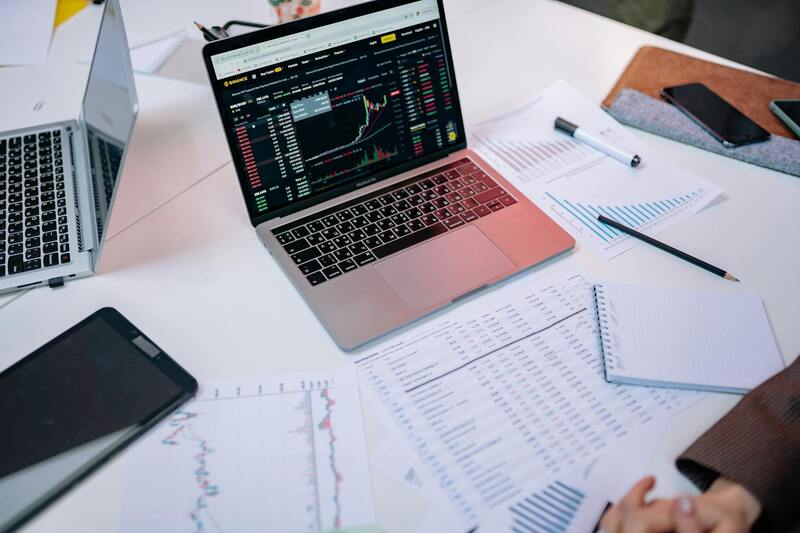
Within the scope of the forex prop tech market, key technological components include:
- Trading Platforms: Advanced trading software offering real-time data, technical analysis, and automated trading capabilities aimed at maximizing execution speed and accuracy.
- Risk Management Systems: Tools that monitor exposure levels, optimize profit and loss parameters, and ensure compliance with internal risk policies.
- Trader Evaluation and Onboarding Technologies: Digital solutions that assess trader performance metrics, trading discipline, and risk appetite, facilitating efficient onboarding processes.
- Data Analytics and AI: Use of artificial intelligence and big data analytics to identify trading patterns, forecast market trends, and enhance strategic decision-making.
- Communication and Collaboration Tools: Secure, integrated platforms for internal communication, shared research, and strategy development among trading teams.
The relevance of the prop tech market in forex trading stems from its capacity to improve operational efficiency, reduce human error, and provide a scalable infrastructure for growth. Firms that leverage these technologies can better adapt to volatile market conditions, customize trading approaches, and implement systematic strategies that are data-driven and repeatable.
Furthermore, the evolution of prop tech has led to increased transparency and trackability of trades, offering traders and firms the ability to continuously refine their methodologies. As the industry gravitates more toward automation and algorithm-driven trading, the importance of investing in robust, innovative prop tech solutions becomes even more pronounced.
Definition and Scope of the Prop Tech Market in Forex Trading
The prop tech market in forex trading encompasses a broad array of technological solutions designed to enhance the operational capabilities of proprietary trading firms. These innovations serve as the backbone of modern forex trading environments, enabling firms to execute trades more efficiently, analyze market data more accurately, and manage risks more effectively.
Within this market, core components include algorithmic trading systems that automate decision-making processes based on pre-set parameters and AI-powered analytics that identify emerging market trends through complex data analysis. Trading platforms integrated with advanced tools provide real-time market insights, allowing traders to respond swiftly to dynamic market conditions. Risk management software continuously monitors exposure levels and adjusts trading strategies to ensure adherence to predefined risk thresholds, safeguarding the firm's capital.

The scope extends further with data visualization tools that simplify complex analytics, helping traders and managers identify actionable insights swiftly. Additionally, secure communication channels facilitate collaboration within trading teams, ensuring unified strategies across different departments. Digital onboarding and performance evaluation systems enable swift integration of new traders and ongoing assessment of trading proficiency, reducing onboarding time while maintaining high standards.
The importance of the prop tech market in forex trading lies in its ability to streamline operations, reduce manual input, and enhance decision-making accuracy through systematic and data-driven approaches. As automation continues to evolve, the market's expansion is driven by the increasing demand for innovative solutions that deliver consistent results and scalable growth opportunities.
The development of these technologies not only improves operational efficiency but also enhances transparency and compliance tracking, which are crucial for maintaining trading integrity. With the ongoing digital transformation across financial markets, investments in prop tech solutions are becoming essential for firms looking to stay competitive in a rapidly shifting environment.
Role of Proprietary Technology in Trader Evaluation and Overcoming Challenges
Implementing robust proprietary technology is fundamental in the evaluation of traders within forex prop trading firms. Advanced analytical tools enable firms to monitor and assess trader performance with precision, allowing for objective and consistent evaluation metrics. Real-time data analytics track trading patterns, risk management efficiency, and adherence to firm-specific strategies, providing a comprehensive view of trader proficiency.
Automation plays a crucial role in streamlining the onboarding process, reducing manual oversight, and enabling swift identification of high-potential traders. Data-driven assessments help in tailoring training, identifying skill gaps, and fostering ongoing development, which ultimately enhances overall trading performance.
However, deploying such technology introduces specific challenges. Ensuring data accuracy and managing large volumes of trading data require sophisticated infrastructure and secure data handling practices. Traders and evaluators must also adapt to evolving systems, necessitating continuous training and system updates.
Effective communication channels powered by integrated prop tech platforms foster collaboration among traders, risk managers, and analysts. These systems support real-time feedback and dynamic strategy adjustments, which are vital for responding to unpredictable market movements. Mitigating resistance to technological change is also essential; clear communication of benefits and phased implementation strategies can help ease transition barriers.
Compliance tracking and auditability are critical in maintaining transparent operations. Advanced software solutions incorporate automated record-keeping and reporting features, simplifying regulatory adherence and internal audits. This transparency builds trust among stakeholders and supports sustainable trading practices.
Overcoming Challenges with Innovative Prop Tech Solutions
- Data Management: High-volume trading data requires scalable storage solutions and robust cybersecurity protocols to prevent unauthorized access and maintain data integrity.
- User Adoption: Effective training programs and user-friendly interfaces encourage adoption and proficiency with new systems, reducing operational friction.
- Integration Issues: Seamless integration of new tech with existing trading platforms reduces workflow disruption and enhances efficiency.
- Compliance and Transparency: Automated compliance modules and audit trails ensure adherence to industry standards while providing transparency in operations.
- Scalability: Modular system architecture allows growth and system enhancements without significant overhaul, supporting long-term expansion.

Types of Forex Prop Trading Firms and Funding Models
Forex proprietary trading firms utilize diverse funding models to support their traders and operational strategies. Understanding these models is crucial for participants aiming to navigate the prop tech landscape effectively. Typically, firms allocate capital either through direct investments or performance-based structures.
One common approach involves firms providing traders with a funded account, where the trader's role centers on executing trades within defined risk parameters. The firm retains ownership of the capital, and traders often operate under specific profit-sharing arrangements. This model emphasizes operational agility and risk management, enabling firms to maximize capital efficiency.
Another prevalent funding structure is the performance-based model, where traders contribute personal capital along with the firm's resources. Performance fees and profit splits are structured to incentivize consistent profitability, fostering a competitive environment that encourages skill development.
Some firms adopt hybrid models, combining elements of both full-funded accounts and personal capital contribution. This flexibility allows for tailored strategies suited to trader experience levels and risk appetite.

Implementation of Technology in Funding and Operational Strategies
Advanced tracking and risk management systems form the backbone of effective funding models in prop trading. Technology solutions facilitate real-time monitoring of trading activities, ensuring compliance with risk limits and operational guidelines. These systems often incorporate automated alerts, detailed reporting, and audit trails, reinforcing transparency and accountability.
Furthermore, integrations with trading platforms enable seamless capital deployment and profit distribution, simplifying administrative processes. Cloud-based infrastructure allows scalable data storage and accessibility, empowering firms to expand their operations efficiently.
As the prop tech market continues to evolve, leveraging such technological tools remains essential for maintaining a competitive edge in the dynamic forex environment. They not only optimize resource allocation but also enhance trader performance monitoring, risk assessment, and strategic decision-making.
Definition and Scope of the Prop Tech Market in Forex Trading
The prop tech market in forex trading encompasses a broad range of technological solutions designed to enhance the performance, efficiency, and operational capabilities of proprietary trading firms. These technologies facilitate everything from trader evaluation and risk management to operational automation and capital deployment. As the forex industry continues to evolve, the integration of cutting-edge prop tech tools has become increasingly crucial for firms aiming to thrive in a competitive environment.
At its core, the prop tech market in forex is characterized by the deployment of software platforms, data analytics, automation tools, and risk management systems that streamline trading processes. This sector connects traders, risk managers, and administrative teams through a unified digital infrastructure, enabling real-time data sharing and decision-making. The scope extends beyond mere trading platforms to include sophisticated algorithms for trade execution, AI-driven analytics for market prediction, and blockchain solutions for transaction transparency.

The market's growth is driven by increasing digitalization, regulatory advancements, and demand for transparency and efficiency. This expanding landscape offers opportunities for both established firms and startups to develop innovative solutions that address specific trading challenges, improve trader evaluation processes, and optimize risk management protocols.
Key Technologies and Innovations in Forex Prop Trading
Several key technologies underpin the evolution of the prop tech market in forex trading, revolutionizing how firms operate and compete. These innovations include:
- Automated Trading Systems (ATS): These platforms execute trades based on pre-defined algorithms, allowing for fast, precise, and emotionless trading actions. They help traders capitalize on market movements and reduce latency issues.
- Artificial Intelligence and Machine Learning: AI-driven models analyze vast datasets to identify patterns and predict market trends, enabling traders to make informed decisions with higher accuracy.
- Risk Management Software: Advanced risk assessment tools monitor open positions, set limits, and automatically close trades when thresholds are breached, safeguarding capital and maintaining compliance.
- Trader Evaluation Platforms: These solutions assess traders' performance over time, providing metrics and feedback that can inform funding decisions and tailored training programs.
- Data Analytics and Visualization: Real-time dashboards and historical data analysis support strategic planning and operational adjustments, enhancing overall trading efficiency.
Types of Forex Prop Trading Firms and Funding Models
Forex prop trading firms adopt various models to structure their trading operations and capital management. Common funding models include:
- Full-Funded Accounts: Traders are provided with a dedicated trading capital from the firm, often with performance-based profit sharing. These models emphasize risk control and trader skill assessment.
- Profit-Sharing Arrangements: Traders and firms agree on profit split percentages, incentivizing consistent profitability while maintaining risk oversight through technological monitoring systems.
- Hybrid Models: These combine elements of both fully funded accounts and personal capital contributions, offering flexibility tailored to trader experience and risk appetite.
Modern funding strategies rely heavily on prop tech solutions to manage accounts, track performance, and ensure adherence to risk parameters. Automation tools streamline license monitoring, profit allocation, and capital adjustments, making operations more transparent and efficient.
The Role of Prop Tech in Trader Evaluation and Challenges
Innovative prop tech plays a vital role in assessing and developing trader talent. Real-time tracking and analytics help evaluate trader behavior, consistency, and risk appetite. Metrics such as win/loss ratios, drawdowns, and trade frequency provide comprehensive insights into performance quality, enabling firms to make informed funding decisions.
However, integrating these technologies isn’t without challenges. Ensuring data accuracy, maintaining system security, and adapting to rapid market changes require constant innovation and vigilance. Additionally, balancing automation with human judgment remains a crucial aspect of effective prop trading operations. Firms must continuously refine their tech infrastructure to optimize trader performance, mitigate risks, and capitalize on emerging market opportunities.
Starting and Operating a Forex Prop Trading Firm with Technology
Establishing a successful forex proprietary trading firm relies heavily on sophisticated technological infrastructure that enhances operational efficiency, risk management, and trader development. The deployment of advanced software solutions allows firms to automate many core functions, from account funding to performance analytics, ensuring a streamlined workflow that adapts swiftly to market dynamics.
Key components involve a robust trading platform integrated with real-time data feeds, risk control engines, and reporting tools. These systems facilitate instant monitoring of trader activity, enabling swift decision-making based on comprehensive, up-to-the-minute information. Automated risk management modules alert traders and risk officers when predefined thresholds are approached or breached, helping to contain losses and uphold the firm’s strategic objectives.

Another pivotal element is the use of machine learning algorithms and artificial intelligence to assess historical trading data continually. These tools identify patterns, predict market movements, and evaluate trader behavior, providing valuable insights that guide funding decisions and tailor training programs. Advanced analytics dashboards display KPIs such as profit/loss ratios, trade frequency, and risk-adjusted returns, supporting data-driven strategies for both recruitment and ongoing trader development.
Moreover, technology supports regulatory compliance by automating trade auditing, generating detailed records, and ensuring adherence to risk and reporting standards. This not only enhances transparency but also reduces manual oversight requirements, minimizing errors and operational risks.
Implementing Critical System Features
- Account Management Systems: Efficient management of trader accounts with seamless funding transfers and profit sharing calculations.
- Performance Tracking Software: Continuous evaluation of trader metrics to identify top performers and areas needing improvement.
- Risk Control Modules: Real-time surveillance of trading activity to prevent excessive drawdowns or risky behaviors.
- Automation Tools: Streamlining routine processes such as account adjustments, profit distributions, and compliance checks.
Integrating these technological solutions involves careful planning and ongoing optimization. Ensuring compatibility across different systems, scalability for growing operations, and security against cyber threats are critical considerations. Regular updates and staff training help keep the firm at the forefront of prop tech innovation, enabling it to respond swiftly to evolving market conditions.

Understanding the Role of Technology in Trader Evaluation and Overcoming Challenges
In the dynamic realm of forex proprietary trading, the deployment of advanced technological tools has revolutionized the process of trader evaluation. These systems leverage extensive data analysis, behavioral insights, and automated performance monitoring to identify traders who demonstrate consistent profitability, risk management skills, and adaptability in volatile market conditions.
Automated evaluation platforms collect a wide array of metrics, including trading frequency, win-loss ratios, drawdowns, and adherence to risk parameters. This comprehensive data collection enables firms to establish clear benchmarks, facilitating objective assessment processes that go beyond subjective judgment. Such transparency fosters confidence in trader selection, enhances onboarding efficiency, and ensures alignment with strategic growth objectives.
Despite these benefits, integrating sophisticated prop tech solutions introduces several challenges. Foremost among these is ensuring data integrity and security. As trading data is highly sensitive, robust cybersecurity measures are essential to prevent breaches and unauthorized access. Additionally, maintaining system scalability to accommodate growing trader pools and evolving analytical needs requires continuous infrastructure investment.
Another significant challenge involves balancing automation with human oversight. While technological systems excel at detecting patterns and anomalies, nuanced decision-making often depends on experienced evaluators who interpret data within broader market contexts. Establishing efficient workflows that effectively combine machine insights with expert judgment is critical for accurate trader assessments.

Furthermore, ongoing training for staff to adapt to new technologies is vital. As prop tech evolves rapidly, continuous education ensures that evaluators and operational personnel can leverage these tools effectively, minimizing errors and optimizing performance standards.
Operational Strategies for Effective Technology Implementation
- Regular System Audits: Conduct periodic reviews of evaluation algorithms and data pipelines to identify discrepancies and refine analytical models.
- Data Security Protocols: Implement multi-layered security measures, including encryption, access controls, and intrusion detection systems.
- Integrated Workflow Design: Develop seamless processes that combine automation with human input, ensuring thorough evaluation without over-reliance on algorithms.
- Staff Development: Invest in continuous training programs that keep evaluators abreast of technological updates and best practices.
- Scalability Considerations: Plan for expansion by adopting flexible infrastructure that can handle increased data loads and analytical complexity.
By adhering to these strategic points, forex prop trading firms can harness the full potential of prop tech in trader evaluation, overcoming operational challenges and fostering sustainable growth in a competitive environment.
Understanding the Impact of Prop Tech in Forex Trading Strategy Development and Risk Management
In the rapidly evolving landscape of forex proprietary trading, the integration of advanced prop technology plays a vital role in shaping effective trading strategies and refining risk management practices. These technological tools, encompassing sophisticated analytical platforms and automation systems, enable traders and firms to adapt swiftly to market dynamics, optimize decision-making processes, and maintain resilience against potential volatility.
Enhancement of Trading Strategies through Technology
Prop tech facilitates the development of more precise and agile trading strategies by providing real-time data analysis, pattern recognition, and algorithmic support. Traders equipped with these tools can identify market opportunities with higher accuracy, execute trades based on comprehensive insights, and adjust strategies promptly during market shifts. For instance, machine learning models can process vast volumes of historical and live data to uncover subtle market patterns that traditional methods might overlook.
Moreover, backtesting platforms integrated within prop tech systems allow traders to rigorously evaluate strategy performance against historical data, ensuring robustness before deployment in live trading environments. This iterative process enhances confidence in trading plans and fosters continuous improvement driven by data-driven insights.

Implementation of Automated and Algorithmic Trading
Automation, a cornerstone of prop tech innovation, enables the execution of trades through pre-programmed algorithms that respond instantaneously to market signals. This reduces human error, minimizes latency, and ensures consistent application of trading strategies. Automated systems also facilitate complex trading tactics such as scalping, arbitrage, and multi-asset trading, which require rapid decision-making and execution.
Algorithmic trading platforms incorporate high-frequency trading capabilities that analyze multiple data streams simultaneously, executing thousands of transactions within fractions of a second. These systems are also equipped with risk controls that automatically shut down trades if predetermined thresholds are breached, safeguarding the firm against unforeseen market movements.
Advanced Risk Management Techniques Enabled by Prop Tech
Effective risk management is foundational to sustainable forex trading. Technological advancements contribute by providing comprehensive risk analytics and scenario analysis tools that allow traders to simulate various market conditions and measure potential exposure. Portfolio risk dashboards deliver real-time insights into profit and loss (P&L), drawdowns, and key risk indicators, supporting proactive decision-making.
Moreover, machine learning models can identify emerging risk patterns by analyzing macroeconomic indicators, news sentiment, and market volatility. This predictive capability enables traders to adjust positions proactively, preventing excessive losses during turbulent periods. Integration of these tools into trading workflows promotes a disciplined approach to risk control, aligning with the firm’s overall trading objectives and risk appetite.
Conclusion: Leveraging Prop Tech for Competitive Advantage
As technological innovations continue to redefine forex prop trading, the strategic deployment of prop tech for strategy development and risk management becomes ever more critical. Firms leveraging these advanced tools enhance their agility, decision accuracy, and risk mitigation capabilities, securing a competitive edge in a highly fluid market environment. It is through continuous adoption and refinement of these technologies that traders can sustain long-term profitability and resilience amid market complexities.