Understanding Forex Prop Firm Challenges
Forex proprietary trading challenges have gained prominence within the trading community as a structured pathway for traders seeking access to substantial trading capital. These challenges are designed to evaluate a trader’s ability to execute disciplined, strategic trades under simulated or real market conditions within specific rules outlined by the proprietary trading firm. The primary goal is to identify traders who possess the skills necessary to generate consistent profits while managing risk effectively, thereby reducing potential losses for the firm.
Typically, these challenges involve a predefined trading account size, a set of performance targets, and strict risk management rules. Traders are required to demonstrate their proficiency within a set time frame, often through a series of trading stages or milestones, which can include hitting profit targets and adhering to maximum drawdown limits. Once successful, traders are usually offered the opportunity to trade with the firm’s capital, scaling their trading capabilities without risking their own funds.

Unlike no-challenge approaches or accounts funded without a prior assessment, legitimate forex prop firm challenges provide a measurable, rule-based framework that ensures fairness and consistency. They serve the dual purpose of screening capable traders and supporting their development for professional trading careers. This structured method emphasizes discipline and risk management, which are crucial in the highly volatile forex market, making these challenges a vital step for traders aiming to establish themselves within institutional trading environments.
Understanding the core mechanics of these challenges—what they involve, how they are structured, and what they aim to assess—lays the groundwork for traders to approach this pathway strategically. Clear knowledge of the rules and objectives allows traders to prepare adequately, increasing their chances of success in meeting the set performance standards and gaining access to funded trading accounts.
Understanding Forex Prop Firm Challenges
Engaging in a forex prop firm challenge requires a comprehensive grasp of its structural components and the criteria that define success. These challenges typically serve as a performance assessment for traders aiming to demonstrate their ability to manage risk while achieving specified profit targets within a predefined trading environment. Unlike accounts that are bought outright or accessed without a prior evaluation, legitimate challenges incorporate a systematic evaluation process that is transparent and quantifiable.
At the core of a forex prop firm challenge is the concept of risk management combined with consistent profitability. Traders are provided with a set amount of capital to trade, along with strict rules on maximum drawdown limits, profit targets, and trading duration. These constraints are designed to mirror real-market conditions, pushing traders to develop disciplined trading habits and robust strategies. The challenge involves multiple stages, often including an evaluation phase and a verification period where traders' performance is monitored to ensure adherence to rules and stability in results.

Participation in such a challenge begins with registration and understanding the specific rules laid out by the firm. Each proprietary trading firm may tailor its challenge parameters—such as the profit target, maximum drawdown, trading period, and permissible trading instruments. The structured nature of these challenges provides a fair, consistent pathway for traders to prove their competence. Successfully completing the challenge grants access to trading with the firm’s capital, allowing traders to scale their trading profits without risking personal funds. This not only offers financial leverage but also positions traders within a professional trading ecosystem, often accompanied by mentorship, resources, and a pathway towards a trading career.
The importance of understanding the detailed mechanics of the challenge cannot be overstated. Precise knowledge of the rules and objectives empowers traders to develop tailored strategies that align with the challenge’s requirements. For example, knowing the maximum allowed drawdown influences stop-loss placement, while awareness of profit targets guides trade management and scaling decisions. Proper preparation involves practicing under similar constraints in demo environments, analyzing past challenge data, and refining risk management techniques to fit the challenge structure.
Participants must also familiarize themselves with the evaluation criteria beyond just hitting profit targets. Consistency, discipline, and adherence to trading rules are scrutinized metrics that underpin successful challenge completion. Traders are encouraged to maintain detailed trading journals, monitor their risk exposure, and continuously evaluate their performance against the challenge’s benchmarks. This approach promotes a disciplined trading mindset essential for operate successfully within such structured environments, ultimately helping forex traders transition from casual trading to professional-level execution.
Key Requirements and Rules for Prop Firm Challenges
Successfully navigating a forex prop firm challenge demands a comprehensive understanding of the specific criteria set forth by each firm. Typical parameters include defining profit targets that traders must reach within a designated trading period, often ranging from 30 to 60 days. These targets are usually expressed as a percentage of the initial funding, for example, achieving a 10-12% profit over the challenge duration. Adherence to maximum drawdown limits is equally critical; these caps protect the firm’s capital by preventing traders from risking excessive amounts of the account balance. Drawdowns are monitored on both a daily and total basis, necessitating vigilant risk management to stay within acceptable boundaries.

The timeline of the challenge further influences trading approaches. Some firms impose strict trading periods and require traders to be consistent throughout, while others may allow continuous or flexible trading windows. Evaluation can involve multiple performance metrics, including profit realization, discipline in trade execution, and adherence to risk management rules. Firms often specify permissible trading styles—such as scalping, swing trading, or trend following—and may set restrictions on trading instruments or leverage levels.
Additionally, many challenges require traders to maintain a detailed trading journal, documenting trade entries, exits, rationales, and risk levels. This documentation not only assists traders in self-assessment but may also be reviewed by the firm's assessment team. Consistency in trading behavior, coupled with disciplined risk management, is typically the cornerstone of successful challenge completion.
Strategies and Best Practices to Succeed in Challenges
Achieving success in a forex prop firm challenge hinges on meticulous preparation and disciplined execution. Traders should start by thoroughly analyzing the specific rules of the challenge, tailoring their trading strategies accordingly. This includes setting clear risk parameters, such as limiting individual trade risk to a small percentage of the total capital—usually 1-2%. Implementing strict stop-loss orders and employing prudent position sizing are essential to prevent breaching drawdown limits.
Another key practice involves employing a realistic trading plan that prioritizes consistency over high-risk, high-reward trades. This means focusing on setups with a favorable risk-reward ratio and avoiding impulsive trades driven by emotion or market hype. Practicing on demo accounts under similar constraints can help refine these strategies before deploying them in the challenge environment.
Effective risk monitoring is supplemented by disciplined trade journaling. Recording the reasoning behind each trade, including entry and exit points, stop-loss levels, and profit targets, facilitates ongoing evaluation and adjustment. Traders should also regularly review their performance against the challenge’s benchmarks to identify patterns of efficiency or recurring errors and adapt their approach accordingly.
Moreover, maintaining emotional composure is crucial. A steady mindset helps traders avoid overtrading or deviating from the plan when facing volatility or setbacks. Practicing patience and adhering strictly to predetermined trading rules foster an environment where consistent gains are achievable over time, ultimately optimizing the chances of passing the challenge.
Developing a Consistent Trading Plan
Successful navigation of a forex prop firm challenge hinges on establishing and adhering to a disciplined trading plan grounded in sound analysis and risk control. This involves careful selection of trading setups that align with defined criteria, including precise entry and exit points, acceptable risk-to-reward ratios, and strict adherence to stop-loss levels. A well-structured plan helps mitigate emotional decision-making, which can jeopardize progress in high-pressure environments.
Consistency is the cornerstone of success. It entails following predetermined trading rules regardless of market sentiment or short-term fluctuations. Traders should focus on maintaining a manageable number of high-quality setups aligned with their tested strategies, rather than overtrading in attempt to expedite potential gains.
Utilizing Accurate Market Analysis
Effective analysis combines technical tools and fundamental insights to inform trading decisions. Technical analysis involves recognizing chart patterns, trendlines, and indicator signals that identify potential entry points. Meanwhile, understanding macroeconomic factors influencing currency pairs provides context that enhances entry and exit timing.
Employing a multi-faceted approach enables traders to filter out noise and identify high-probability trades that respect the challenge’s risk parameters. Regularly updating a trading journal with insights gained from both successful and unsuccessful trades fosters continuous improvement and strategic refinement.
Maintaining Discipline Under Pressure
One of the most pivotal aspects for prop challenge traders is emotional discipline. Market volatility and the pressure to perform can induce impulsive decisions or deviation from the trading plan. Maintaining composure involves sticking to set risk levels, refraining from revenge trading after losses, and avoiding overconfidence following gains.
Developing mental resilience is crucial, often through mindfulness practices or simulated scenario exercises. This helps traders detach their emotional responses from market movements, ensuring they operate within their defined parameters and remain steady throughout the challenge process.
Risk Management and Capital Preservation
Prudent risk management strategies safeguard traders’ capital and optimize their chances of passing the challenge. Limiting individual trade risk to a small percentage of total capital, typically between 1-2%, prevents minor setbacks from escalating into large drawdowns. Additionally, setting clear maximum drawdown limits aligned with challenge rules acts as a safeguard against exceeding thresholds that would disqualify participants.
Employing trailing stop-loss orders and regular position size adjustments ensures ongoing capital preservation. Traders should also be vigilant about managing cumulative risk exposure, especially during volatile or unpredictable market conditions.
Practicing Patience and Consistency
Success in forex prop firm challenges often depends on patience and a methodical approach. This involves avoiding the temptation to chase trades during unfavorable conditions and waiting for well-validated setups that align with the trading plan. Consistent review of trading history and performance metrics facilitates identification of strengths and areas needing refinement, contributing to sustained progress.
Understanding Forex Prop Firm Challenges
Forex prop firm challenges serve as a rigorous assessment process designed to evaluate a trader's capabilities in managing significant trading capital while adhering to specific risk management protocols. These challenges typically evaluate a trader's discipline, consistency, and strategic approach to trading within predetermined parameters. The primary goal is to demonstrate the ability to generate profits without exceeding risk thresholds, ensuring that traders can handle real-market conditions and maintain composure under pressure.
Participating in a challenge often involves completing a series of tasks or trading periods within set rules that include maximum drawdown limits, profit targets, and trading timeframes. These parameters are constructed to simulate real trading environments and to test whether the trader maintains discipline and adheres to established risk management strategies, an essential aspect of professional trading.
Successful completion of a forex prop challenge often culminates in earning a funded trading account, which enables traders to harness the firm’s capital while sharing a portion of the profits. This process not only provides access to larger trading funds but also cultivates important trading habits that are critical to long-term success in the forex market.

Types of Forex Prop Trading Firms
Forex prop trading firms vary in their operational models and challenge structures. Some firms adopt a structured, step-by-step evaluation process that includes a trading phase, a verification period, and ongoing performance assessment. Others may offer more flexible challenges that adjust to the trader’s experience level and trading style. The commonality across all types is an emphasis on risk control, consistency, and profitability.
These firms may categorize their offerings into different programs, such as evaluation challenges, profit-sharing agreements, or proprietary trading models. Evaluation challenges often come with specific rules regarding maximum daily and total drawdowns, profit targets, and trading durations, all designed to test the trader’s capability to operate within defined limits.
It is crucial for traders to research and select firms that align with their trading style, risk appetite, and long-term goals, ensuring a productive and sustainable trading career.
Key Requirements and Rules for Prop Firm Challenges
Each forex prop firm challenge comes with a set of specific rules that traders must strictly follow. These rules typically include:
- Maximum Daily Drawdown: Limits on how much loss is acceptable within a single trading day.
- Total Drawdown Limit: The cumulative loss allowable during the challenge period before disqualification.
- Profit Target: The minimum amount of profit that must be achieved within the challenge timeframe.
- Trading Periods: The duration within which traders must complete the challenge, ranging from a few weeks to several months.
- Risk Management Policies: Specific guidelines on position sizes, leverage, and order types permitted during the challenge.
Adhering to these rules requires meticulous planning, disciplined execution, and ongoing monitoring. Violating any of these parameters often results in disqualification or loss of challenge fees.

Strategies and Best Practices to Succeed in Challenges
To excel in a forex prop firm challenge, traders must adopt disciplined, strategic approaches that align with the challenge’s objectives. A few proven practices include:
- Develop a Robust Trading Plan: Establish clear criteria for entries, exits, and risk management. This plan provides consistency and helps avoid impulsive decisions.
- Prioritize Risk Management: Limit individual trade risks to 1-2% of trading capital, and set strict stop-loss and take-profit levels. Maintaining risk discipline is vital to prevent large drawdowns.
- Maintain Emotional Discipline: Manage emotions through adherence to predetermined rules and avoid overtrading or revenge trading, which can quickly deplete capital.
- Implement Realistic Goals and Patience: Focus on incremental gains rather than aggressive targets. Patience during sideways or volatile markets promotes steady progress.
- Keep a Detailed Trading Journal: Document trades, rationale, and outcomes. Periodic reviews reveal patterns, strengths, and areas for improvement.
Effective use of demo accounts for preparing before challenge attempts, along with ongoing education and analysis, can significantly enhance prospects for success. Embracing a methodical, disciplined approach ensures the trader operates within the comfort of a solid risk management framework, which is critical during high-pressure challenge environments.
Understanding Forex Prop Firm Challenges
Forex prop firm challenges serve as a rigorous testing ground to evaluate a trader’s skills, discipline, and consistency. These challenges typically involve strict criteria that traders must meet to demonstrate their ability to manage risk effectively while generating steady profits. The process is designed not only to assess trading competence but also to ensure that traders align with the firm’s risk management standards, trading style, and overall operational philosophy.
Participants are usually given a demo or a real trading account with specific rules to follow. These rules encompass profit targets, maximum drawdown limits, and trading timeframes, which collectively help validate the trader’s ability to operate within defined parameters. Successful navigation of these challenges opens doors to managing significant trading capital provided by the firm, allowing traders to scale their operations without risking their own funds.

Understanding the nuances of how these challenges function and what they evaluate is vital for aspiring traders. Proper preparation, disciplined execution, and thorough comprehension of the rules can significantly increase the likelihood of passing these evaluations, making it an essential step in advancing a professional trading career.
Types of Forex Prop Trading Firms
Forex prop trading firms can be broadly categorized based on their operational structures, risk models, and the types of challenges offered. Recognizing these distinctions helps traders pick the most suitable environment for their skills and goals.
- Evaluation-Based Firms: These companies offer structured challenges that traders must pass to gain access to trading capital. Such firms usually emphasize strict risk control and profit targets, with comprehensive evaluation processes.
- Capital Provider Firms: These firms allocate existing funds to experienced traders without explicit challenges but often require a proven track record and detailed trading history.
- Hybrid Models: Combining elements of evaluation-based challenges and direct capital allocation, these firms may provide initial assessments alongside ongoing performance-based funding opportunities.
Each type caters to different trader profiles and risk appetites, so selecting the appropriate firm entails considering personal trading style, experience level, and long-term objectives.
Key Requirements and Rules for Prop Firm Challenges
Success hinges on understanding and adhering to specific rules set forth by the trading firm. These rules often include:
- Profit Targets: Clear milestones for profit achievement, typically measured over a defined period or trading phase, which demonstrate consistent profitability.
- Maximum Drawdown Limits: The most critical metric, representing the largest permissible loss from the peak equity, designed to prevent reckless trading behaviors.
- Trading Timeframes: Constraints on trading hours or the overall duration of the challenge to align with firm policies and market conditions.
- Position Size Restrictions: Limits on leverage and trade size, encouraging disciplined risk management and position scaling.
- Trading Style Specifications: Some firms specify preferred trading styles (scalping, swing trading, day trading) to match their risk models and operational protocols.
Failure to comply with these rules often results in disqualification, regardless of profit performance, underscoring the importance of meticulous rule adherence and ongoing compliance with firm standards.
Strategies and Best Practices to Succeed in Challenges
Passing a forex prop firm challenge requires more than just technical skills; it demands strategic planning and disciplined execution. Key strategies include:
- Comprehensive Trading Plan: Develop a detailed plan that encompasses entry and exit points, risk management protocols, and contingency strategies.
- Consistent Risk Control: Limit risk per trade to 1-2% of available capital, with static or dynamically adjusted stop-loss levels based on market conditions.
- Emotional Resilience: Maintain composure and discipline, avoiding impulsive trades or revenge trading that can jeopardize the challenge.
- Gradual Target Setting: Focus on incremental and achievable profit goals, which encourage consistency rather than risky, large swings.
- Continuous Education and Review: Utilize demo accounts for simulation and practice, regularly review trading logs, and adjust tactics based on performance insights.
Adopting a professional mindset that prioritizes risk management, patience, and ongoing analysis significantly enhances the probability of success in high-pressure challenge environments, paving the way for advanced trading opportunities and capital scaling.
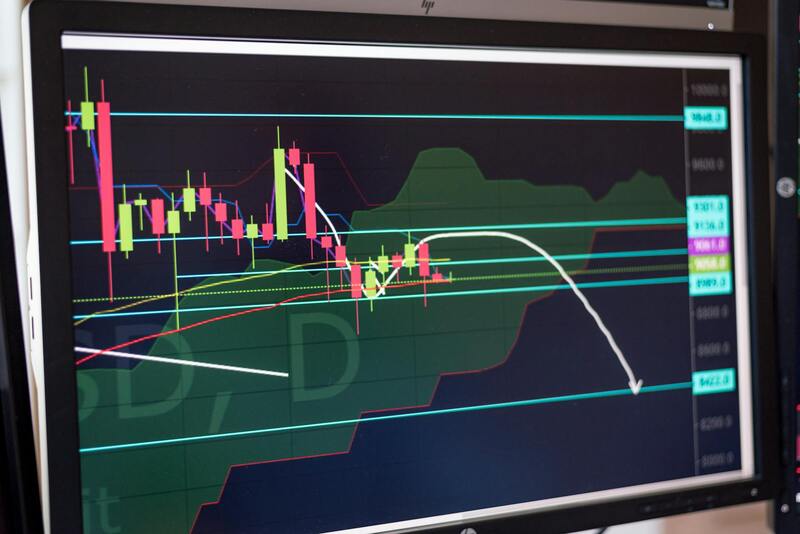
Understanding Forex Prop Firm Challenges
Participating in a forex prop firm challenge is a critical step for traders aiming to access larger trading capital and expand their market opportunities. These challenges serve as assessments, evaluating a trader’s ability to adhere to strict risk management protocols, demonstrate consistency in profitability, and maintain disciplined trading strategies. Successful completion opens pathways to funded accounts, enabling traders to scale their trading activities significantly while sharing gains with the firm.

During a typical challenge, traders are evaluated through real-time trading conditions, often under predefined rules regarding maximum drawdown, profit targets, and trading days. The goal is to demonstrate the capacity to generate profits within controlled risk parameters, asserting the trader’s consistency and discipline in dynamic market environments. This process underscores the importance of strategic planning, strict risk control, and emotional resilience, all vital components for success in a competitive trading context.
Types of Forex Prop Trading Firms
The landscape of forex prop trading firms encompasses various models designed to meet different trader profiles and objectives. Prominent types include:
- Evaluation-Based Firms: These firms offer structured challenges that traders must pass to secure a funded account, typically involving predefined profit and risk limits over a set period.
- Continuous Funding Firms: Some firms provide ongoing funding with less emphasis on initial challenges, focusing instead on sustained performance and risk management.
- Hybrid Models: Combining elements of evaluation challenges and continuous funding, these firms provide initial assessments with opportunities for increased capital based on consistent performance.
Each model emphasizes disciplined trading, with evaluation-based firms often serving as gateway programs to larger funding pools. The key distinguishing factor across these types is the emphasis on risk management and trader accountability, ensuring that only the most disciplined traders access substantial capital resources.
Key Requirements and Rules for Prop Firm Challenges
To navigate a forex prop firm challenge successfully, traders must meticulously adhere to specific rules and requirements essential for maintaining eligibility and demonstrating trading proficiency. These typically include:
- Maximum Drawdown Limit: Traders are required to prevent their account from exceeding a predefined loss threshold, often a percentage of the initial trading capital.
- Profit Target: Achieving a specified profit goal within a set trading period is necessary to qualify for funding.
- Trading Hours and Restrictions: Some challenges impose limits on trading times, types of instruments traded, or leverage usage to simulate realistic trading conditions.
- Risk Management Protocols: Strict compliance with risk parameters, including position sizing and stop-loss placements, is mandatory.
- Discipline and Behavior: Maintaining composure, avoiding impulsive trades, and following trading plans are critical for continued eligibility.
Non-compliance with these rules often leads to disqualification, regardless of profitability, highlighting the importance of disciplined adherence to challenge parameters.
Strategies and Best Practices to Succeed in Challenges
Achieving success in a forex prop firm challenge relies heavily on disciplined execution and strategic planning. The most effective approach involves a combination of technical mastery and psychological resilience. Consider implementing the following best practices:
- Develop a Robust Trading Plan: Outline clear entry and exit criteria, risk limits, and contingency strategies to guide trading activities.
- Practice Intense risk management: Limit risk to 1-2% per trade, and avoid over-leveraging to protect against large drawdowns.
- Maintain Emotional Discipline: Cultivate patience and avoid impulsive decisions, especially during losing streaks or volatile markets.
- Set Realistic and Incremental Goals: Break down profit targets into manageable steps, emphasizing consistency over large, risky gains.
- Utilize Demo Accounts for Practice: Simulate challenge conditions to refine strategies and boost confidence before live trading.
- Review and Adjust Regularly: Keep detailed trading logs and perform regular performance analyses to identify areas for improvement.
These practices foster a professional mindset, emphasizing discipline, patience, and continuous learning—cornerstones for passing competitive challenges and progressing within the trading industry.

Visual representation of disciplined trading strategies leading to challenge success Employing disciplined strategies aligned with challenge rules maximizes the probability of success, paving the way for traders to access substantial funding and develop long-term trading careers.
Advanced Tactics to Secure Forex Prop Firm Challenge Success
For traders aiming to excel in forex prop firm challenges, understanding nuanced approaches to trading and firm specifics can make a significant difference. Successful navigation of these challenges involves not just adherence to set rules, but also strategic adaptability and meticulous planning. Here are advanced methods to refine your approach and improve your odds of success.
Deep Market Analysis and Data-Driven Decisions
Mastering comprehensive analysis of market conditions is vital. Utilize a combination of fundamental and technical analysis to discern long-term trends and short-term divergences. Incorporate economic calendars to anticipate market-moving events, and leverage statistical tools for probabilistic trading decisions. Consistently updating your analysis with recent data ensures that your strategies remain relevant and effective within challenge parameters.

In-depth market analysis enhances decision-making in prop firm challenges Customizing Trading Strategies to Challenge Rules
Different prop firms impose varying rules regarding drawdowns, trading hours, and position sizes. Tailor your trading strategies to these specific constraints. For example, if a firm limits daily drawdowns to 5%, develop a risk management plan that enforces strict position sizing and real-time monitoring. Adjust your trading style—be it scalping, day trading, or swing trading—to align with the challenge’s scope and timeframes, ensuring that each trade passionately complies with the rules while optimizing profit potential.
Implementing Robust Risk Management and Contingency Plans
Effective risk management goes beyond setting stop-loss orders; it involves continuous evaluation of exposure and adaptive scaling. Employ dynamic risk limits that adjust according to market volatility and trading performance. Develop contingency plans for unexpected market movements or technical failures, such as having pre-defined exit strategies or backup systems. This disciplined approach protects your account from large drawdowns, maintaining the balance necessary to meet challenge objectives while safeguarding your trading capital.
Psychological Readiness and Stress Management
Challenges test not only trading skills but also mental resilience. Establish routines that foster emotional stability, including regular breaks, mindfulness practices, and maintaining a balanced lifestyle. Practice mental rehearsal and visualization techniques to prepare for high-pressure scenarios. Developing unwavering psychological discipline allows you to execute your trading plan consistently, reducing impulsivity and emotional reactions that could jeopardize your challenge progress.
Record-Keeping and Performance Analysis
Maintain detailed logs of every trade, documenting entry and exit points, reasons for trading decisions, and outcomes. Regularly analyze this data to identify patterns, strengths, and areas for improvement. Use these insights to refine your strategies and adapt to evolving market conditions. A systematic review process not only enhances learning but also demonstrates a disciplined approach that aligns with the expectations of reputable prop firms.

Comprehensive trading logs are key to refining strategies Utilizing Technology and Automation Tools
Leverage advanced trading platforms with automation capabilities to execute predefined strategies with precision. Automated trading bots or algorithmic systems can help reduce emotional biases and ensure disciplined adherence to strategy parameters. Additionally, use risk management tools that monitor open trades and alert you to potential breaches of set limits, enabling swift action and minimizing risk exposure. Integrating technology enhances consistency and efficiency, which are vital for passing rigorous challenges.
Conclusion
Passing a forex prop firm challenge requires a combination of diligent preparation, strategic flexibility, and unwavering discipline. By mastering in-depth market analysis, customizing strategies to meet specific rules, implementing rigorous risk management, maintaining psychological resilience, and leveraging technological tools, traders significantly improve their chances of success. These practices foster professionalism and adaptive expertise, foundational elements for advancing within the competitive landscape of forex trading and accessing substantial funding opportunities.