Understanding Forex Prop Firms and Their Competition
Forex proprietary trading firms, commonly known as forex prop firms, play a vital role in the foreign exchange market by providing traders with capital to execute trades on behalf of the firm. These entities operate as intermediaries that fund skilled traders, allowing them to leverage the firm's resources without risking their personal capital. Forex prop firms typically establish structured evaluation programs or competitions to identify talented traders and allocate funds accordingly.
Operating within a highly dynamic industry, forex prop firms focus on sourcing traders capable of generating consistent profits amid fluctuating currency markets. They implement various assessment processes, often featuring simulated trading challenges, to measure traders’ skill levels, risk management capabilities, and overall market understanding. This systematic selection ensures that only proficient traders are entrusted with significant trading capital.

Competition among forex prop firms is fierce and continually evolving. Firms strive to attract talented traders through innovative challenge structures, attractive funding offers, and comprehensive support packages. The primary goal is to identify and cultivate traders who can achieve consistent profitability, which benefits both the trader and the firm. As the industry grows, new entrants frequently emerge, intensifying the competition for talented traders and market share.
Strong competition incentivizes firms to refine their evaluation methods, introduce new risk management protocols, and develop unique funding models. For traders, this environment offers numerous opportunities to showcase skill, earn substantial returns, and secure funding for long-term trading careers. Conversely, competing firms must differentiate themselves through transparency, support, and superior infrastructure to win top trading talent.
Key Factors Driving Competition Among Forex Prop Firms
In the highly competitive landscape of forex proprietary trading, several core elements determine a firm’s ability to attract and retain top trading talent. Central to this are the funding programs, evaluation processes, and profit-sharing models that define the trader onboarding journey and ongoing partnership structure.
Funding programs serve as a crucial differentiator. Firms competing for traders often offer substantial trading capital, enabling traders to scale their positions without risking personal funds. The size and flexibility of this capital are key considerations, with top firms providing incremental funding boosts contingent upon consistent performance. These funding schemes incentivize traders to perform at their best, knowing the firm provides a robust financial backbone for their trading strategies.
The evaluation process, often involving simulated trading challenges, is finely tuned to identify traders with exceptional risk management abilities, discipline, and market understanding. The challenge structures vary—some firms employ time-limited tests, others focus on specific trading styles or instruments. Competitive firms continuously refine these assessments to ensure they select traders with the potential to generate sustainable profits, reducing the likelihood of losses that could discourage traders or diminish firm resources.
Profit-sharing models also play a significant role. Firms might adopt a variety of approaches, from fixed split arrangements to performance-based tiers. The most appealing models typically offer higher trader profit shares, motivating traders to perform optimally. Additionally, transparency in how profits are calculated and paid is pivotal, as it builds trust and encourages traders to commit long-term.

Beyond these core factors, firms that provide comprehensive educational resources, advanced trading technology, and personalized support tend to stand out. Such features not only attract high-caliber traders but also help retain them by creating a supportive trading environment conducive to growth and success.
Popular Types of Forex Prop Firm Challenges
To effectively evaluate traders, forex prop firms deploy various challenge formats, each designed to test different competencies and risk management skills. The most common challenge types include:
- Scaled Trading Challenges: Traders are required to demonstrate their ability to trade within specific risk parameters over a designated period. These challenges often involve passing certain profit targets while maintaining strict drawdown limits.
- Time-Restricted Challenges: Traders are assessed through short-term challenges, such as trading within a few days or weeks, to prove consistent performance and discipline under pressure.
- Style-Specific Challenges: Some firms focus on particular trading styles or instruments, requiring traders to demonstrate proficiency in areas like scalping, swing trading, or forex futures.
- Simulation-Based Challenges: Using advanced trading simulators that mimic live market conditions, traders prove their decision-making skills and risk management strategies without real financial exposure.
Instant Funding and No-Challenge Forex Prop Firms
In recent years, a distinct segment of the industry has emerged—instant funding and no-challenge firms. These entities often bypass traditional evaluation steps by providing immediate access to trading capital post-registration, relying instead on verified trading credentials or proven track records. Traders who have demonstrated consistency on other platforms or professional trading backgrounds are typically eligible for direct funding routes.
This model appeals to experienced traders seeking faster routes to capital without the constraints of challenge-based assessments. However, these firms usually implement rigorous post-funding monitoring to ensure continued compliance with risk management protocols. Their competitive edge lies in speed, simplicity, and minimal barriers to entry.

While instant funding options attract seasoned traders, newer entrants still predominantly rely on structured challenges to establish their credibility and demonstrate their trading prowess. The industry continues to evolve, with firms balancing risk, reward, and accessibility to craft compelling offers for a diverse array of traders.
Understanding Forex Prop Firms and Their Competition
Forex proprietary trading firms operate within a highly competitive environment driven by multiple factors aimed at attracting skilled traders and maintaining profitability. To succeed, these firms must continually refine their offerings, adapt to market shifts, and implement innovative strategies that differentiate them from competitors. A core component of this competition revolves around the ways firms evaluate traders, offer trading capital, and manage risk participation.

Differentiation Through Evaluation Models
Many firms leverage various challenge formats—such as timed trading assessments, simulated trading periods, or performance-based evaluations—to identify top traders. Although these models serve the primary purpose of risk mitigation, they also influence market competition by shaping trader eligibility and engagement levels. Firms that develop fair yet rigorous testing procedures can attract traders with solid skill sets, fostering a competitive edge.
Additionally, the integration of innovative evaluation methods, such as live trading simulations combined with risk management scenarios, enhances the robustness of these tests. This layering of assessment strategies increases the threshold for traders to qualify, consequently raising the standard within the industry and pushing competing firms to improve their evaluation criteria.
Offerings of Trading Capital and Profit Sharing Structures
Another prominent factor fostering competition relates to the amount of capital available and the terms of profit sharing. Larger capital pools, coupled with more favorable profit splits, entropically attract higher-quality traders seeking better returns. Firms often compete by providing larger accounts with flexible scaling options or more accessible funding pathways—such as instant funding or low-entry challenges—aimed at maximizing trader engagement.
Profit-sharing arrangements also impact competitive positioning. Firms aiming to stand out may offer aggressive profit splits, performance bonuses, or reduced commission fees. These financial incentives inspire traders to choose one platform over another, intensifying industry rivalry.
Technological Innovation and User Experience
Another critical aspect fueling competition is the integration of cutting-edge trading technology and user-friendly platforms. Firms that invest in seamless user interfaces, advanced risk management tools, and real-time analytics enhance trader experience, providing a competitive advantage. Moreover, continuous technological upgrades allow firms to stay ahead of industry trends and meet traders’ evolving demands.
Automatic risk controls, such as drawdown limits and automated trade monitoring, are increasingly standard features that protect both the firm and traders, thereby building trust and loyalty which are crucial in a competitive landscape.
Community and Educational Resources
Some firms differentiate themselves through robust educational programs, webinars, mentorship schemes, and active trading communities. These built-in support systems not only improve trader performance but also foster loyalty and reduce churn, creating a more resilient competitive stance. Firms that successfully merge technical offerings with educational value often gain a significant advantage in attracting and retaining talent.
Adapting to Regulatory and Market Changes
Market regulation updates and industry trends have a significant impact on competition among forex prop firms. Firms that swiftly adapt their models to comply with new trading standards or capital requirements can sustain growth and credibility. Continual local and international regulatory compliance forms a competitive barrier, ensuring sustainability in an unpredictable market environment.
Furthermore, as the forex industry evolves to include more sophisticated financial instruments and trading techniques, firms must incorporate these innovations into their offerings. Staying ahead in technological and strategic innovation remains crucial to maintaining a competitive edge.
Understanding Forex Prop Firms and Their Competition
Forex proprietary trading firms operate within a dynamic environment where the primary objective is to attract skilled traders and secure their capital to generate profits. These firms serve as bridges between retail traders seeking professional funding and institutional-level trading opportunities. As the industry evolves, the competitive landscape becomes increasingly complex, requiring firms to innovate continuously and maintain high standards of performance, transparency, and support.
The competition among forex prop firms is driven by multiple factors, including the ability to offer attractive trading conditions, seamless funding processes, comprehensive educational resources, and robust risk management systems. Traders are often motivated by the promise of instant access to capital, minimal barriers to entry, and support structures that enhance their trading capabilities. Firms that excel in delivering these elements position themselves favorably in a crowded marketplace, gaining the trust and loyalty of top trading talent.

Key Factors Driving Competition Among Forex Prop Firms
Several core components influence the intensity of competition within this sector. These include:
- Funding Models and Incentives: Offering faster access to capital, high leverage, or profit-sharing schemes attracts traders eager for immediate and sizeable trading opportunities.
- Risk Management and Support: Implementing advanced risk controls such as adaptive drawdown limits, real-time monitoring, and automated trade analysis reduces overall exposure and builds trader confidence.
- Educational Resources: Providing comprehensive training programs, mentorship, webinars, and community engagement fosters loyalty and enhances trader success, setting a firm apart from competitors.
- Technology and Platform Reliability: Investing in cutting-edge trading platforms, algorithmic trading tools, and data security measures ensures traders can execute strategies efficiently and securely.
- Compliance and Transparency: Maintaining clear communication channels and complying with evolving regulations demonstrate credibility and stability, essential in a competitive environment.
Popular Types of Forex Prop Firm Challenges
In striving to differentiate themselves, firms often deploy various challenge formats to validate trader skill and measure performance. These challenge types include:
- Profit Targets and Drawdown Limits: Traders must achieve specified profit milestones within set risk boundaries, ensuring profitability aligns with risk management standards.
- Time-Limited Challenges: These tests evaluate trader consistency over a specified period, often ranging from a few days to several weeks.
- Simulation-Based Challenges: Using demo accounts or simulated environments, traders demonstrate their ability to manage real-time market conditions without risking actual capital.
- Skill-Based Evaluations: Challenges designed to assess analytical abilities, decision-making speed, and strategy effectiveness.
These challenge variations are crucial in selecting traders who demonstrate not only profitability but also discipline and risk awareness. The ability to design fair, transparent, and motivational challenges significantly influences a firm's competitive edge.
Understanding Forex Prop Firms and Their Competition
Forex proprietary firms operate within a competitive landscape where differentiation hinges on reliability, reputation, and innovative challenge models. These firms seek to attract talented traders by offering structured pathways to funding and profit-sharing opportunities, all while maintaining a competitive edge over market peers. Competition among these firms is often fierce, with each entity aiming to develop unique evaluation mechanisms that can identify disciplined, skilled traders capable of delivering consistent performance under varying market conditions.
Market Positioning and Value Proposition
Forex prop firms aim to position themselves as trustworthy and trader-friendly entities. This entails offering transparent evaluation processes, accessible challenge formats, and timely funding once traders demonstrate competence. Competition intensifies as firms continuously refine their offerings to appeal to a global community of traders, emphasizing speed of funding, fairness in evaluation, and the potential for high-profit shares.

Influence of Regulatory Frameworks and Industry Standards
Although off-limits for explicit mention, adherence to regulatory expectations and implementation of industry best practices are vital elements that elevate a firm's standing in this competitive sector. Firms distinguished by their robust compliance frameworks and transparent operations build greater trust and attract serious traders who seek consistent, professional environments for their trading careers.
Innovation and Adaptation as Competitive Strategies
Beyond basic evaluation models, firms compete by integrating new technologies such as algorithmic trading tools, AI-powered risk management, and real-time analytics. These innovations empower traders to optimize their strategies, creating a more dynamic and appealing environment that separates industry leaders from the rest.
Key Factors Driving Competition Among Forex Prop Firms
Competition is fueled by multiple factors, including challenge design, funding offers, trader support systems, and technological superiority. Firms must balance attracting top talent with maintaining profitability and operational stability. Consumer-centric approaches, rapid response to market and regulatory changes, and investment in cutting-edge infrastructure are instrumental in differentiating market players.
Effective Challenge Design and Flexibility
Innovative challenge structures that respect traders' time and skill levels tend to gather more interest. Flexible formats that adapt to individual trading styles and objectives foster higher completion rates and better alignment with traders' real-world needs, increasing loyalty and reputation among top-tier traders.
Competitive Funding and Revenue Sharing Models
Offering compelling funding terms and fair profit splits encourages trader engagement. Firms that provide larger capital pools, faster onboarding processes, and transparent revenue models attract and retain superior talent, bolstering their position within the marketplace.
Technological Investment and Platform Reliability
Investments in advanced trading platforms, real-time data feeds, and secure infrastructure underpin a firm's capacity to offer seamless trading conditions. Reliability and performance are key pillars that influence trader satisfaction and contribute to a firm's competitive advantage.
Popular Types of Forex Prop Firm Challenges
Challenge models are central to evaluating trader aptitude, with many firms adopting formats that highlight discipline, analytical skills, and risk management capabilities. The diversity of these challenges caters to various trader profiles and preferences, fostering a broad appeal across the industry.
- Profit Targets and Drawdown Limits: Traders must meet specific profit milestones without exceeding preset risk boundaries. This model emphasizes consistent profitability combined with prudent risk management.
- Time-Limited Challenges: These involve trading over fixed periods, assessing consistency and decision-making under pressure. They often span days or weeks, testing endurance and strategic adaptability.
- Simulation-Based Challenges: Using demo environments, traders demonstrate their skills without risking real capital, allowing for controlled evaluation of real-time decision-making and strategy execution.
- Skill-Based Evaluations: Focused on analytical abilities, rapid decision-making, and strategic planning, these challenges assess a trader's comprehensive skill set rather than just their profitability.

Impact of Challenge Design on Market Competitiveness
Well-designed challenges that balance fairness, motivation, and transparency are crucial. They attract skilled traders, foster healthy competition, and enable firms to select candidates who not only demonstrate profitability but also embody discipline and resilience. The success of a firm's evaluation process directly influences its ability to secure high-caliber traders and maintain a competitive stance.
Strategies for Succeeding in Forex Prop Firm Competitions
Participating in forex prop firm competitions requires a disciplined approach, strategic planning, and a keen understanding of the specific rules and objectives set forth by each firm. Traders aiming to excel must refine their trading techniques to align with the challenge criteria, ensuring they consistently meet profit targets while maintaining risk within prescribed limits. Developing a robust risk management framework is critical; this includes setting appropriate stop-loss levels, managing position sizes wisely, and avoiding overtrading.
Furthermore, mastering the challenge's trading style—whether it’s scalping, swing trading, or longer-term positions—can significantly influence success. Traders should adapt their strategies to the specific challenge format, emphasizing discipline and precision. For instance, in time-limited challenges, rapid decision-making and execution are paramount, whereas skill-based evaluations demand analytical depth and strategic foresight.
Maintaining Consistency and Discipline
Consistency is a key factor that separates successful traders from the rest. Keeping a detailed trading journal helps identify patterns in decision-making, strengths, and areas for improvement. Maintaining discipline in adhering to predefined trading plans prevents impulsive decisions driven by market volatility or emotional reactions.
Leveraging Technology and Analysis
Utilizing advanced analytical tools, including charting software and trading algorithms, can enhance a trader’s ability to identify high-probability setups aligned with challenge requirements. Continuous education through webinars, seminars, and market analysis broadens strategic understanding and sharpens execution skills.

Another crucial element is emotional control, especially under pressure. Successful traders remain focused on their plan regardless of short-term market fluctuations, thus safeguarding their capital and reputation. Adopting a systematic approach, using checklists to verify trading decisions, and practicing patience are essential techniques for enduring the stresses of competition.
Continuous Evaluation and Adjustment
Proactively reviewing trading performance throughout the challenge allows traders to adapt strategies in real-time, whether it’s tightening risk parameters or adjusting trade entries and exits. Regular self-assessment ensures alignment with challenge objectives, and flexibility often plays a pivotal role in overcoming unforeseen obstacles.
Finally, maintaining transparency and adhering strictly to challenge rules prevent disqualification and foster trust with the prop firm. Success depends not just on profitability but also on demonstrating professionalism, discipline, and a strategic mindset that resonates with the firm’s trading culture and standards.
Understanding Forex Prop Firms and Their Competition
Forex proprietary trading firms often engage in competitive environments that test traders’ skills, discipline, and adaptability. These firms seek talented traders capable of navigating volatile markets while adhering to specific challenge parameters and risk management protocols. The competition among such firms revolves around discovering the most effective methods to evaluate and select traders, as well as providing the infrastructure for traders to succeed while amplifying the reputation of the firm itself.

In this landscape, transparent criteria, robust challenge conditions, and innovative funding models are pivotal. Traders are evaluated based on their ability to meet profit targets while maintaining acceptable risk levels, often within a predetermined trading period. The extent of the competition is also measured by speed — how rapidly traders can demonstrate consistent profitability — and by their skill in managing drawdowns, which showcases their capacity to sustain performance under pressure.
The competitive atmosphere encourages firms to refine their evaluation processes continually, ensuring they attract not only profitable traders but those who can operate within the firm’s risk management framework efficiently. For traders, this environment offers an opportunity to demonstrate their capabilities under stringent conditions, pushing the boundaries of personal and technical skill sets.
Key Factors Driving Competition Among Forex Prop Firms
- Challenge Structure and Rules: The complexity and fairness of challenge rules influence the level of competition. Firms design challenges that filter for traders with strong analytical skills and disciplined risk control.
- Funding and Incentives: The size of capital pools and reward structures motivate traders to excel while ensuring firm profitability.
- Technological Edge: Offering cutting-edge trading platforms, analytical tools, and automated support upgrades the firm's appeal among ambitious traders.
- Reputation and Trustworthiness: Establishing a transparent operation bolsters trader confidence and attracts high-caliber applicants.
Popular Types of Forex Prop Firm Challenges
Within the forex prop trading industry, challenge formats vary, but certain types have gained prominence due to their effectiveness in identifying top-tier traders:
- Profit Target Challenges: Traders are required to reach specific profit milestones within set periods, testing their ability to generate consistent returns.
- Drawdown Restrictions: Emphasizing risk management, challenges impose maximum drawdown limits to ensure traders do not jeopardize capital.
- Combined Challenge Formats: A hybrid approach, incorporating both profit objectives and risk controls, to select versatile traders capable of balancing risk and reward efficiently.
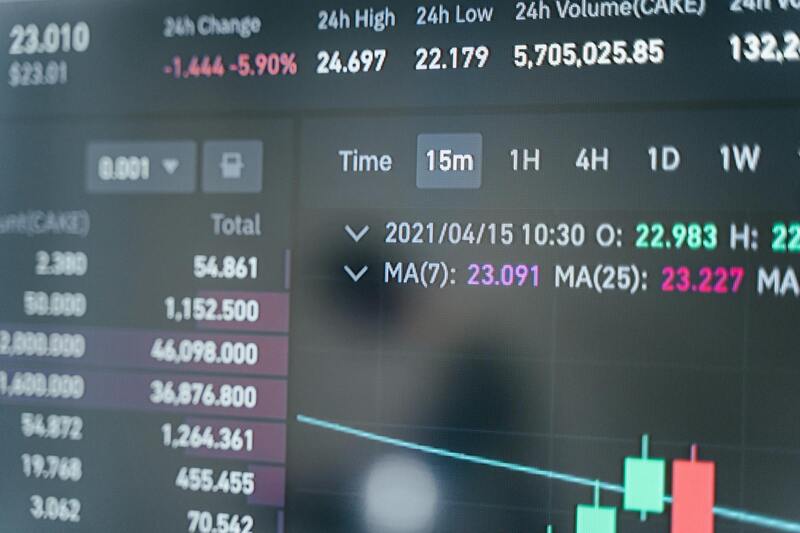
These challenge types are designed not just to evaluate a trader's technical skills but also their psychological resilience and strategic thinking under pressure, which are crucial for long-term success in the competitive forex trading environment.
Instant Funding and No-Challenge Forex Prop Firms
Some firms have adopted models that bypass traditional challenge stages, offering instant funding to traders based on their proven track records or through selective onboarding procedures. These opportunities include:
- Immediate Capital Access: Traders with verified trading histories or substantial real account experience can access funding promptly, allowing for swift engagement in real market conditions.
- No-Challenge Models: These firms often assess traders through verified performance metrics or prior trading records, eliminating the need for an internal challenge process.
- Rapid Evaluation Processes: Employing advanced screening tools and data analysis, firms can expedite the evaluation, reducing the time traders spend in trial periods.
While these models promote faster entry into funded trading, they demand high levels of professionalism and consistent prior performance. Such approaches emphasize the importance of maintaining transparent trading records and continuous skill development to succeed in these environments.

Strategies for Succeeding in Forex Prop Firm Competitions
Achieving success in competitive forex environments requires a methodical approach rooted in skill, discipline, and adaptability:
- Adherence to Rules: Strict compliance with challenge conditions and risk limits is essential for passing evaluations and maintaining eligibility for backed accounts.
- Consistent Performance: Demonstrating steady profitability rather than sporadic wins underscores your reliability as a trader.
- Risk Management Expertise: Employing disciplined risk control techniques ensures longevity and minimizes losses that could disqualify trading accounts.
- Market Analysis and Timing: Developing advanced analytical skills helps you identify high-probability setups aligned with challenge goals.
- Psychological Preparedness: Managing emotions and maintaining focus are critical during high-pressure trading scenarios.
Regularly reviewing trading records and adopting a disciplined routine can further bolster performance, as it allows for continuous improvement and fine-tuning of strategies in response to market shifts.
Market Trends and Innovations in Forex Prop Firm Competition

Innovation continues to influence the competitive landscape of forex prop firms significantly. The integration of artificial intelligence and machine learning-powered trading algorithms offers traders advanced tools to refine their decision-making processes. Such tools analyze vast datasets in real-time, providing insights that otherwise require extensive manual analysis. These developments facilitate faster and more informed trading decisions, giving traders a competitive edge.
Moreover, the evolution of trading platforms with enhanced customization options, social trading features, and backtesting capabilities supports the development of tailored strategies. As the industry advances, firms that incorporate these technological innovations often attract traders seeking cutting-edge competitive environments.
In addition, trends toward increased transparency, standardized challenge protocols, and data-driven evaluation metrics are shaping a more meritocratic trading arena. These elements promote fair competition while encouraging traders to leverage the latest technological resources to excel.
Effective Approaches to Excelling in Forex Prop Firm Competition
Participating in forex prop firm competitions demands precision, discipline, and strategic planning. Success hinges on a trader’s ability to leverage legitimate trading methods, optimize risk management, and utilize a well-structured trading plan aligned with the rules and objectives of the respective challenge. To stand out amidst fierce competition, traders should prioritize transparent trading practices that adhere to the firm’s guidelines, ensuring reproducibility and consistency throughout the challenge period.

Developing a Robust Trading Strategy
An effective approach starts with a comprehensive trading strategy rooted in technical analysis, fundamental factors, and market sentiment. This includes setting clear entry and exit points, utilizing appropriate leverage, and maintaining strict stop-loss orders to manage risk effectively. Traders should test their strategies extensively using demo accounts or backtesting tools to ensure their methods are sound and adaptable to changing market conditions.
Adopting Proper Risk Management Techniques
Risk management remains the cornerstone of success in competitive trading environments. Traders should define their risk-reward ratios beforehand, avoid over-leveraging, and ensure that each trade aligns with their overall risk appetite. Maintaining discipline in position sizing helps prevent large drawdowns that could jeopardize challenge completion. It is vital to preserve account stability by adhering to predetermined risk parameters, particularly during volatile market phases.
Utilizing Official Analysis Tools and Resources
Engaging with reputable analysis platforms, economic calendars, and price action signals from verified sources helps traders make informed decisions. Many firms provide access to strategic analysis tools within their trading environments, which can be leveraged to fine-tune entries and exits. Staying updated with real-time market news and reports supports timely reactions to market developments, especially when competing in challenges that favor quick adaptation.
Maintaining Consistency and Transparency
Consistency in trading patterns and transparency in operations are critical in the context of competitive challenges. Traders should ensure their trading logs are accurately maintained, demonstrating adherence to the challenge rules and fostering confidence. Transparent trading practices also involve honest evaluation of one’s performance and learning from mistakes to improve future outcomes.
Utilizing Proven Trading Platforms and Verification Methods
Successfully navigating these competitions involves using trusted trading platforms that enforce strict verification processes. These tools enable traders to showcase their trading skills reliably while ensuring compliance with challenge requirements. Additionally, routine account verification and activity audits help maintain integrity and secure a fair competitive environment.
Navigating Different Competition Formats with Legitimacy
Whether dealing with challenge-based, instant funding, or no-challenge environments, understanding the specific structures and objectives of each format is vital. Traders should familiarize themselves with the official protocols, challenge rules, and evaluation criteria. Recognizing that each approach demands tailored strategies and disciplined execution ensures higher success rates and fosters a sustainable trading career.